
If you’re considering a Volkswagen TDI (Turbocharged Direct Injection), you probably know these diesel cars are famous for their strong fuel economy and long engine life. Many owners drive them for hundreds of thousands of miles, making TDIs a popular choice for people who want a reliable, efficient vehicle. But not all TDI years are created equal. Some model years have major problems that can lead to expensive repairs, frustration, and regret. Knowing which VW TDI years to avoid can save you money, time, and headaches.
Let’s dive deep into the best and worst years for VW TDIs, why certain years are risky, what common problems you might face, and how to make a smart buying decision. Whether you’re shopping for a used TDI or already own one, this guide will help you understand what really matters.
What Makes A Good Or Bad Tdi Year?
Many people think all diesel Volkswagens are bulletproof, but the truth is more complicated. The quality of a TDI can change from year to year because of changes in engine design, emissions systems, and manufacturing quality. Some years brought new technology that didn’t work well in real life, while others saw cost-cutting that hurt reliability.
A few key factors that separate good years from bad:
- Engine design: Some engines are much more robust than others.
- Emissions equipment: Problems with DPFs (diesel particulate filters), EGRs (exhaust gas recirculation), and AdBlue/urea systems can cost thousands to fix.
- Timing belt/chain systems: Some years have timing chain failures; others use more reliable belts.
- Fuel system: High-pressure fuel pumps in some TDIs are a weak point.
- Real-world owner feedback: Issues like random check engine lights or failed turbos are often reported for specific years.
Understanding which years are most likely to have these problems is crucial before you buy.
Vw Tdi Generations And Engines: An Overview
To understand which TDI years to avoid, it helps to know the main TDI engines and generations:
| Generation | Engine Codes | Main Years | Common Models |
|---|---|---|---|
| ALH | ALH | 1999.5–2003 | Jetta, Golf, Beetle |
| BEW | BEW | 2004–2006 | Jetta, Golf |
| PD (Pumpe Düse) | BRM, BHW, etc. | 2004–2006 | Jetta, Passat |
| Common Rail | CJAA, CRUA, etc. | 2009–2015 | Jetta, Golf, Passat |
Each of these engines has its own strengths and weaknesses. The worst TDI years almost always fall in periods when new engine designs or emissions equipment were first introduced.
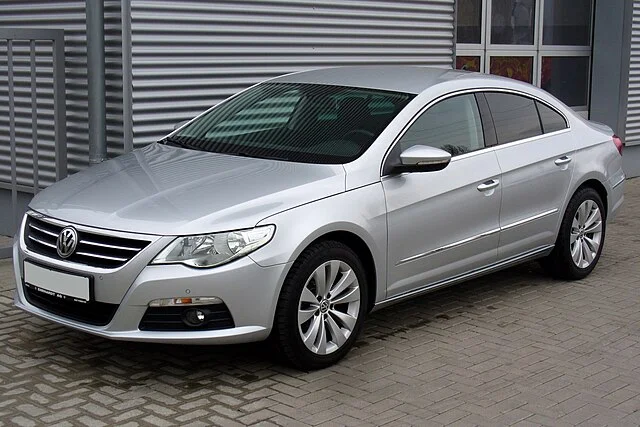
The Vw Tdi Years To Avoid
Buying the wrong year can turn a great deal into a nightmare. Here are the VW TDI years to avoid, along with why they are risky.
1. 2004–2006 (pd/bew/brm Engines)
Volkswagen introduced the Pumpe Düse (PD) injector system in North America in 2004. These engines use a special unit injector design and were meant to meet stricter emissions standards. Unfortunately, they have some significant problems:
- Camshaft failure: The camshafts in these engines wear out much faster than expected. Replacement costs can reach $2,000–$3,000.
- Balance shaft module issues: Some Passat TDIs of this era (especially 2005 Passat TDI) have balance shaft module failures that can destroy the engine.
- Expensive injectors: If a unit injector fails, it’s costly to replace.
- Emissions equipment: Early DPF and EGR systems are unreliable and expensive to fix.
Owners often report engine codes like BRM, BEW, or BHW having these issues. The problems are especially bad in the 2005–2006 Jetta and Passat TDIs.
2. 2009–2012 (early Common Rail Tdis)
The common rail system was a big leap forward for Volkswagen diesels. It uses high-pressure fuel injection for better performance and smoother running. But the first few years (especially 2009–2012) saw major teething problems:
- HPFP (High-Pressure Fuel Pump) failures: These pumps can disintegrate, sending metal shavings into the entire fuel system. Repairs often cost $6,000–$8,000. This is most common in 2009–2012 Jetta, Golf, and Audi A3 TDIs.
- Injector issues: Early common rail injectors sometimes leak or fail prematurely.
- DPF and EGR failures: Expensive to replace, and can cause limp mode or check engine lights.
- Turbocharger failures: Some 2009–2012 models suffer from turbo failure after 80,000–120,000 miles.
These years also saw the introduction of more complex emissions controls, which increased repair costs.
3. 2012–2014 Passat Tdi (nms)
Volkswagen’s NMS Passat TDI (North American Market Sedan) from 2012 to 2014 uses the CKRA engine. While these cars are comfortable and offer great mileage, they have some major red flags:
- Turbo failures: The CKRA engine is notorious for sudden turbocharger failure, often before 80,000 miles.
- DPF clogging: The diesel particulate filter can clog quickly, especially on short trips.
- Timing chain tensioner failure: Some engines experienced timing chain issues that could cause catastrophic engine damage.
- AdBlue/DEF system problems: The urea injection system can fail, leading to expensive repairs.
Many owners have faced bills over $2,500 for turbo replacement alone. The Passat TDI from these years is best avoided unless you have detailed service records and warranty coverage.
4. 2015 Models: Dieselgate Impact
The year 2015 is unique. Volkswagen’s “Dieselgate” scandal broke this year, when the company was caught cheating on emissions tests with “defeat devices.” Many 2015 TDIs were held back, modified, or sold as “fix” cars later.
Risks with 2015 TDIs:
- Uncertain emissions fixes: Some 2015 TDIs have software updates that affect performance or cause new issues.
- Parts availability: Not all parts are easily available for these special “fix” models.
- Market confusion: It’s hard to know exactly what you’re getting.
If you’re considering a 2015 TDI, do extra research and get a detailed vehicle history.
5. 2005 Passat Tdi
While already covered under PD engines above, the 2005 Passat TDI deserves special mention. This year is infamous for:
- Balance shaft module failure: Can lead to total engine destruction.
- Automatic transmission issues: Many 2005 Passat TDIs came only with the automatic transmission, which is less reliable and much more expensive to repair than manuals.
- Poor parts support: Some parts are now hard to find.
Unless you’re an experienced TDI mechanic, this is a year to avoid.
Years Considered More Reliable
Not all TDI years are risky. Some generations are well known for reliability and low running costs. If you want a TDI, these are the safer bets:
1999.5–2003 Alh Engine
The ALH engine (found in 1999.5–2003 Jetta, Golf, and Beetle TDIs) is considered one of the most reliable diesel engines ever made by Volkswagen.
Strengths:
- Simple design: No DPF, no AdBlue, less emissions complexity.
- Durable timing belt: With proper maintenance, these engines easily reach 300,000+ miles.
- Affordable parts: Repairs tend to be less expensive.
Potential weaknesses:
- Rust: Older cars may have rust issues.
- Lower power: Not as fast as newer TDIs.
2013–2014 Jetta, Golf, Beetle (cjaa Engine)
Later common rail TDIs (with engine code CJAA) are generally more reliable than earlier versions.
Pros:
- Improved HPFP: Fewer fuel pump failures than 2009–2012.
- Better emissions reliability: Updates fixed many early problems.
- Good balance: Strong power and great mileage.
Cons:
- Dieselgate fixes: Some cars may have had emissions updates that affect performance.
2015 Passat Tdi (after Dieselgate Fix)
While the 2012–2014 Passat TDI is risky, the 2015 model (after the emissions fix) is somewhat improved. Just be sure to check service history and confirm all updates.
Common Vw Tdi Problems By Year
Let’s break down some typical problems by generation to help you see patterns.
| Year/Engine | Main Problems | Repair Cost (Est.) |
|---|---|---|
| 1999.5–2003 ALH | Timing belt, rust | $500–$1,200 |
| 2004–2006 BEW/BRM | Camshaft, injectors, balance shaft | $2,000–$4,000 |
| 2009–2012 CJAA | HPFP, DPF, turbo | $1,500–$8,000 |
| 2012–2014 Passat CKRA | Turbo, DPF, AdBlue | $2,000–$4,500 |
| 2013–2014 CJAA | Emissions updates | $1,000–$2,500 |
Two Insights Most Buyers Miss
- Short-trip driving kills TDIs: Many people don’t realize that TDIs need to be driven on the highway regularly. Short trips can clog the DPF and EGR, causing expensive failures. If you mostly drive around town, a TDI may not be the best choice.
- Timing belt maintenance is critical: Skipping or delaying timing belt changes (especially on ALH, BEW, and BRM engines) is a common mistake. A failed belt often destroys the engine. Always budget for a timing belt job every 80,000–100,000 miles.
How To Spot A Problem Tdi Before You Buy
Avoiding the worst years is only part of the process. Here’s how to protect yourself from buying a lemon, even in better years:
- Check the VIN and Service Records: Always ask for service history. Look for timing belt changes, DPF replacements, and turbo work.
- Scan for Codes: Use an OBD2 scanner (or ask your mechanic) to check for hidden check engine lights or stored codes.
- Listen for Noises: Camshaft wear, turbo whine, or injector ticking are warning signs.
- Test Drive: Make sure the car accelerates smoothly and doesn’t go into limp mode.
- Emissions Equipment: Check if the car has original or modified emissions equipment. Aftermarket deletes can cause legal and repair issues.
Cost Comparison: Tdi Repairs Vs. Maintenance
How does owning a TDI compare to other cars? The answer depends on the year and how you maintain it.
| Type of Service | TDI (Risky Years) | TDI (Reliable Years) | Typical Gas Car |
|---|---|---|---|
| Timing Belt | $1,000–$1,500 | $600–$900 | $400–$800 |
| HPFP Repair | $6,000–$8,000 | Rare | N/A |
| Turbo Replacement | $2,000–$3,000 | $1,500–$2,000 | $1,200–$2,500 |
| DPF Replacement | $2,500–$4,000 | Rare | N/A |
Notice that major failures in risky TDI years can cost much more than a typical gas car.
Emissions Systems: Friend Or Foe?
Modern TDIs have complex emissions systems to meet strict pollution laws. While they help the environment, they are a common source of trouble.
- DPF (Diesel Particulate Filter): Needs to burn off soot by “regenerating” during highway driving. Short trips cause clogs.
- EGR (Exhaust Gas Recirculation): Reduces NOx emissions but can clog with soot.
- AdBlue/DEF: Sprays urea into the exhaust to reduce emissions. If it fails, car may not start or will go into limp mode.
Replacing or repairing these parts is expensive. Owners who delete these systems face legal and inspection issues.
Tips For Buying A Used Vw Tdi
If you’re set on buying a TDI, following these tips will help you avoid the worst pitfalls:
- Stick to proven years: The 1999.5–2003 ALH and 2013–2014 CJAA are the safest bets.
- Buy from an enthusiast or specialist: Owners who know TDIs often keep up with maintenance.
- Avoid short-trip cars: Ask the seller about their driving habits. Highway-driven cars have fewer emissions issues.
- Budget for major repairs: Even the best-maintained TDI can need expensive work.
- Get a pre-purchase inspection: A TDI expert can spot issues before you buy.
Is A Tdi Still A Good Buy?
Despite the risks, many people still love their TDIs. If you buy a reliable year and take care of maintenance, you can enjoy excellent fuel economy, long engine life, and strong resale value. But if you pick the wrong year, you could face repair bills that wipe out your savings.
If you’re curious about the technical details or want to see how Dieselgate changed the TDI landscape, check the Wikipedia page on the Volkswagen emissions scandal.
Frequently Asked Questions
What Is The Most Reliable Vw Tdi Engine?
The ALH engine (1999.5–2003) is considered the most reliable. It’s simple, with fewer emissions components, and can last 300,000+ miles with good maintenance.
Why Do 2009–2012 Tdis Have So Many Problems?
These years introduced the common rail system, which came with HPFP failures, injector issues, and unreliable emissions equipment. Many owners faced huge repair bills.
Is It Safe To Buy A 2015 Vw Tdi?
Some 2015 TDIs are good cars, but you must check if the Dieselgate fix was applied and if it affected performance or reliability. Always check the service history.
How Can I Avoid Expensive Tdi Repairs?
Buy a year with a strong reputation (like 1999. 5–2003 or 2013–2014), keep up with timing belt changes, and drive regularly on the highway to keep the DPF healthy.
Are Tdis Expensive To Maintain Compared To Gas Cars?
Routine maintenance can be similar, but major failures (HPFP, turbo, DPF) in risky years can cost much more than a typical gas car. Choosing the right year is key.
Choosing a VW TDI can be a smart move or an expensive mistake. By understanding which years to avoid and what problems to watch for, you’ll be ready to make a confident, informed decision. Remember, even the best TDI needs care, but the reward can be a car that’s efficient, fun, and long-lasting.