
If you’re thinking about buying a Mitsubishi Eclipse Cross, you probably want to avoid any surprises down the road. While this compact SUV offers stylish looks and modern features, not every model year has the same reliability or performance.
Knowing which Mitsubishi Eclipse Cross years to avoid can save you from costly repairs, annoying glitches, and safety concerns. You’ll discover the specific model years with common issues like noisy transmissions, faulty electronics, and premature wear. By learning which years to steer clear of, you can make a smarter, more confident choice for your next vehicle.
Keep reading to protect your investment and enjoy your ride without regrets.
Mitsubishi Eclipse Cross Overview
The Mitsubishi Eclipse Cross is a compact SUV that blends style with utility. It offers a sporty look inspired by the original Eclipse coupe. Since its launch, it has attracted buyers who want a unique design and practical features.
The model aims to compete in the crowded compact SUV market. It combines modern technology and comfort with Mitsubishi’s reputation for affordability. Understanding its generations, performance, and features helps buyers choose wisely.
Generations And Model Years
The Eclipse Cross debuted in 2017 as a new model for Mitsubishi. It is part of the crossover SUV segment, sitting between smaller and larger Mitsubishi SUVs. So far, it has only one generation with yearly updates.
Model years from 2018 to 2024 show gradual improvements. Early years had some reported issues, but later years fixed many problems. Buyers often check specific years to avoid common faults.
Performance Highlights
The Eclipse Cross uses a 1.5-liter turbocharged engine. It delivers around 152 horsepower, enough for daily driving needs. The vehicle offers front-wheel drive as standard and all-wheel drive as an option.
Its continuously variable transmission (CVT) helps with fuel efficiency. Some drivers find the CVT noisy or lagging under hard acceleration. Ride quality varies, with some models feeling less smooth on rough roads.
Popular Features
The SUV comes with a touchscreen infotainment system. Apple CarPlay and Android Auto are standard in most trims. Safety features include forward collision mitigation and lane departure warning.
Interior materials feel basic but functional. Seating offers comfort but lacks strong support on longer drives. Cargo space is decent for the class, making it practical for families.
Years To Avoid
Choosing the right Mitsubishi Eclipse Cross model year matters a lot. Some years show more problems than others. Knowing which years to avoid saves money and stress. This guide highlights the trouble spots across different years.
Early Model Issues
The first few years of the Eclipse Cross had many faults. The 2018 and 2019 models often faced engine noise during acceleration. Many drivers reported a noisy CVT transmission. The infotainment system also had frequent glitches. These early models lacked smooth ride quality and had uncomfortable front seats.
Problematic Generations
The initial generation from 2018 to 2020 showed the most issues. Premature brake wear became common during these years. Some cars had windshield cracking without clear reasons. Door handles sometimes failed early, causing inconvenience. These problems were less frequent in later models after updates.
Common Buyer Complaints
Buyers often mention the cheap feel of interior parts. Noise from the powertrain distracts many drivers. The collision mitigation system can act unpredictably. Ride quality feels inconsistent on rough roads. These complaints mostly relate to the older models within the first generation.
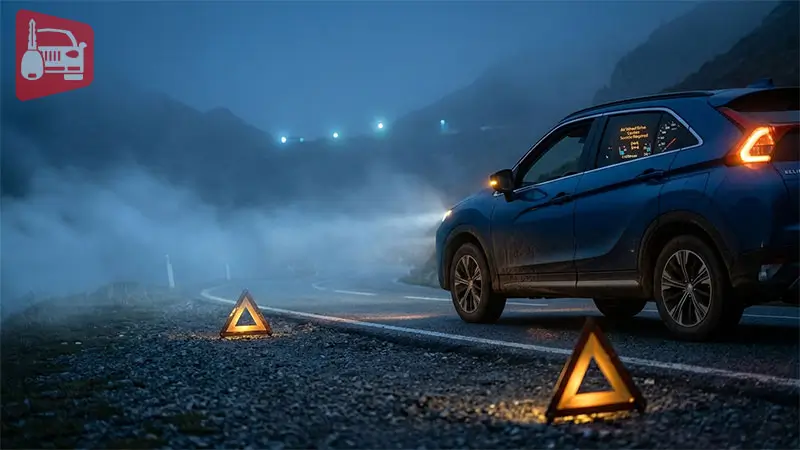
Powertrain And Drivetrain Problems
The Mitsubishi Eclipse Cross has faced notable powertrain and drivetrain problems across certain model years. These issues affect driving comfort and vehicle reliability. Buyers should pay close attention to these common faults when considering used models.
Powertrain and drivetrain concerns often involve the transmission, engine, and all-wheel drive system. Each component plays a key role in vehicle performance. Problems here can lead to costly repairs and reduced driving confidence.
Cvt Transmission Noise And Lag
Many Eclipse Cross models use a continuously variable transmission (CVT). This transmission often produces a loud, whining noise during acceleration. Drivers report a delayed response when pressing the gas pedal. The lag reduces driving smoothness and can feel frustrating in traffic. These symptoms are more common in earlier models, especially before 2019.
Engine Performance Concerns
Some years show inconsistent engine power delivery. The turbocharged engine may hesitate or struggle under load. Owners mention rough idling and occasional stalling. These engine issues can reduce fuel efficiency. Regular maintenance helps, but underlying design flaws affect certain model years more.
All-wheel Drive System Flaws
The Eclipse Cross features an all-wheel drive (AWD) system for better traction. Certain model years have problems with the AWD engagement mechanism. Drivers experience unexpected loss of traction or strange noises from the drivetrain. Repair costs for AWD components can be high. These flaws mostly appear in models from 2018 to 2020.
Interior And Electronics Troubles
The Mitsubishi Eclipse Cross has attracted many buyers with its sporty look and advanced features. Still, some model years show problems inside the cabin. Interior and electronics troubles can affect your driving comfort and safety. Knowing these issues helps you make a better choice before buying.
Many drivers report repeated glitches in the infotainment system. Audio and camera quality may disappoint in certain years. Seat comfort and design also vary, influencing long drives. Door handles and window mechanisms sometimes fail, causing inconvenience.
Infotainment Glitches
Several Eclipse Cross models suffer from infotainment system bugs. Screens freeze or reset without warning. Bluetooth connections drop often, disrupting phone calls and music. Software updates do not always fix these problems. This issue reduces user satisfaction and ease of use.
Audio And Camera Quality
Speakers in some years deliver weak sound or distort at high volumes. Rearview cameras may show blurry or delayed images. These flaws can affect safety while reversing or parking. Upgrading audio components might be necessary for better sound.
Seat Comfort And Design
Seat padding in some models feels thin and unsupportive. Drivers report discomfort during long trips. Seat adjustments may lack smooth operation or range. Design choices sometimes limit legroom and headspace. These factors impact overall comfort inside the vehicle.
Door Handle And Window Regulator Failures
Faulty door handles cause trouble opening or locking doors. Window regulators may fail to raise or lower windows smoothly. These mechanical problems appear in specific production years. Repairs often involve costly parts and labor. Check these components carefully before purchase.
Exterior And Safety Issues
The Mitsubishi Eclipse Cross has drawn attention for some ride and handling concerns. These issues affect driving comfort and control. Certain model years show more problems than others. Understanding these can help avoid a rough driving experience.
Inconsistent Ride Quality
Some model years of the Eclipse Cross have inconsistent ride quality. Drivers report the suspension feels too stiff or too soft at times. This leads to a bumpy or harsh ride on smooth roads. The lack of smoothness causes discomfort on longer trips. Variations in ride quality differ between front-wheel and all-wheel drive versions.
Handling Over Rough Roads
The Eclipse Cross struggles with handling on rough roads. Potholes and uneven surfaces cause noticeable vibrations inside the cabin. Steering response can feel loose or delayed on these surfaces. This reduces driver confidence and control during daily driving. Suspension components may wear faster due to poor road handling. Some years face more complaints about this problem than others.
Ride And Handling Concerns
Community and expert opinions shape the understanding of which Mitsubishi Eclipse Cross years to avoid. These views come from real owners and industry professionals. They offer insights into reliability, performance, and common issues. Understanding their perspectives helps buyers make informed choices. Below, we explore key opinions from owners, experts, and enthusiasts.
Owner Experiences And Reviews
Owners share honest feedback on Mitsubishi Eclipse Cross models. Many report issues with the CVT transmission and noisy powertrain. Some mention cheap interior materials that wear quickly. Problems like infotainment glitches and uncomfortable seats also appear often. Premature brake wear and windshield cracking get highlighted in several reviews. These reports mostly point to specific model years with more frequent faults. Buyers should note these patterns before deciding.
Expert Reliability Ratings
Experts rate the Eclipse Cross for durability and maintenance costs. Many reliability studies place certain years below average. Common concerns include inconsistent ride quality and electronic system faults. Industry reviews warn about the collision mitigation system’s flaws. These ratings help identify which years require more repairs. Experts recommend avoiding models with repeated engine and transmission complaints. They advise thorough checks on used vehicles from these years.
Enthusiast Favorites
Car enthusiasts focus on performance and style when choosing models. Earlier Mitsubishi Eclipse generations with turbo and AWD get high praise. These models are known for sporty handling and unique design features. They are favorites in car communities and pop culture. Enthusiasts often avoid the Eclipse Cross due to its lack of turbo options. The sportier, older Eclipses hold more appeal for those seeking excitement. These favorites highlight the gap between performance and practicality.
Frequently Asked Questions
What Is The Best Year Of The Mitsubishi Eclipse?
The 1995 Mitsubishi Eclipse GSX is the best year, praised for turbocharged engine, all-wheel drive, and iconic styling. It offers strong performance and reliability.
What Are The Most Common Problems With The Mitsubishi Eclipse Cross?
Common Mitsubishi Eclipse Cross problems include noisy CVT transmission, infotainment glitches, unsupportive front seats, premature brake wear, and faulty door handles. Some drivers report inconsistent ride quality, sluggish acceleration, and windshield cracking issues.
Which Is Better, Nissan Rogue Or Mitsubishi Eclipse Cross?
The Nissan Rogue offers better reliability, comfort, and tech features. The Mitsubishi Eclipse Cross has sporty styling but faces common issues and less refined interiors. Choose Rogue for practicality; pick Eclipse Cross for style and performance.
Is The Mitsubishi 2.4 Engine Reliable?
The Mitsubishi 2. 4 engine is generally reliable with proper maintenance. It offers good durability and fuel efficiency. Some users report minor issues, but overall performance remains consistent. Regular servicing helps prevent common problems and extends engine life. It suits daily driving and moderate use well.
Which Mitsubishi Eclipse Cross Years Should Buyers Avoid?
The 2018 and 2019 models had frequent transmission and infotainment issues. These years showed more reports of noisy CVT and faulty collision systems. Avoiding them can save repair hassles.
Conclusion
Choosing the right Mitsubishi Eclipse Cross year can save you money and stress. Avoid models known for transmission noise and interior issues. Some early years show problems with ride quality and electronics. Research well before buying to find a reliable vehicle.
A careful choice leads to better driving experiences and fewer repairs. Keep these tips in mind for a smart purchase.