
When searching for a luxury car, the Audi A7 often stands out with its striking design and advanced technology. It combines the elegance of a sedan with the practicality of a hatchback. However, not all model years offer the same level of reliability and peace of mind. Knowing the Audi A7 years to avoid can be crucial for any prospective buyer.
This comprehensive guide delves into specific model years that have reported more issues. It will help you make an informed decision. Our goal is to ensure your Audi A7 experience is one of satisfaction, not unexpected repairs.
Understanding Audi A7 Generations and Potential Issues
The Audi A7 has been produced across several generations. Each generation brought new features but also introduced potential new areas for concern. Understanding these generations helps pinpoint common issues.
The first generation, known as the C7, ran from 2010 to 2018. It set the standard for the sportback segment. The second generation, C8, began in 2018. It continued to evolve the A7’s design and technology.
Early models of any new generation often have “teething problems.” These are minor or major issues that emerge after real-world use. Manufacturers typically address these in subsequent model years.
Common Problem Areas in Luxury Vehicles
Luxury cars like the Audi A7 are complex machines. They integrate sophisticated electronics, powerful engines, and advanced transmissions. These components can be sources of problems if not properly designed or maintained.
- Engine Issues: Can range from excessive oil consumption to timing chain tensioner problems.
- Transmission Troubles: Especially with advanced dual-clutch (S tronic) transmissions.
- Electrical System Glitches: Affecting infotainment, sensors, and various electronic modules.
- Suspension Problems: Air suspension systems can develop leaks over time.
- Brake Wear: High-performance vehicles often have faster brake wear.
These are general points, but they highlight areas to pay close attention to when researching specific A7 models.
Which Audi A7 Years to Avoid: A Detailed Look
Based on owner reports and common automotive industry observations, certain model years tend to have more reported issues than others. It’s important to note that not every car from these years will be problematic. However, they carry a higher risk.
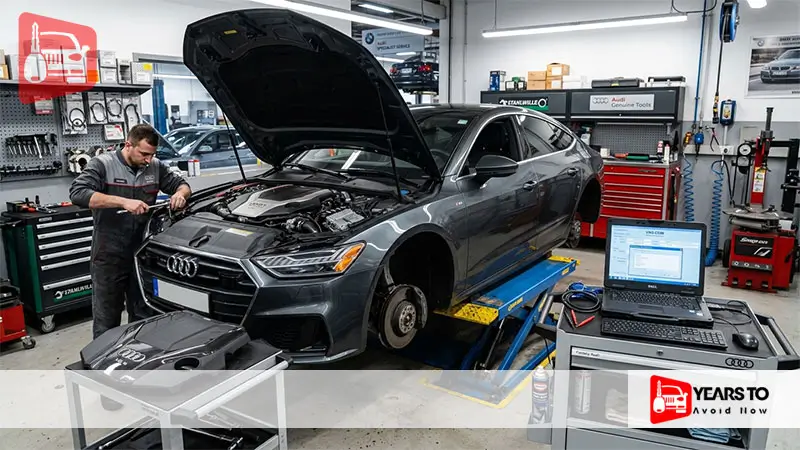
First Generation (C7) – Early Years (2012-2015)
The initial years of the Audi A7’s first generation often appear on lists of less reliable models. The Audi A7 years to avoid frequently include the 2012, 2013, 2014, and 2015 models.
These years, while offering groundbreaking design, sometimes faced challenges with their mechanical and electronic systems. Early adopters often reported issues that were later refined.
Specific Concerns for 2012-2015 Audi A7 Models
- Excessive Oil Consumption: Many owners reported their 3.0L supercharged V6 engines consumed oil at a higher rate than expected. This requires frequent top-ups and can indicate deeper engine wear.
- Timing Chain Tensioner Issues: This is a known problem for some Audi V6 engines from this era. A failing tensioner can lead to catastrophic engine damage if not addressed promptly.
- S tronic Transmission Problems: The dual-clutch transmission, while offering quick shifts, could experience mechatronic unit failures. These failures often result in rough shifting or complete transmission malfunction.
- Water Pump Failures: Plastic components in the water pump could degrade, leading to coolant leaks and potential engine overheating.
- Infotainment System Glitches: Early MMI systems sometimes suffered from software bugs, freezing, or connectivity issues.
- Air Suspension Leaks: For models equipped with air suspension, leaks in the air springs or compressor issues could lead to uneven ride height or a harsh ride.
These issues contribute to higher maintenance costs and can diminish the ownership experience. Always get a pre-purchase inspection for any vehicle from these years.
Later First Generation (C7) – 2016-2018
As the C7 generation matured, Audi introduced facelifts and engineering refinements. The later years, particularly 2016, 2017, and 2018, generally show improved reliability. Many of the initial bugs were ironed out.
While these years are generally better, it’s still crucial to check for proper maintenance. Any car, regardless of its reputation, can suffer from neglect.
Second Generation (C8) – Early Years (2019-2020)
The C8 generation of the Audi A7 launched in 2018 (as a 2019 model year in North America). Like any new model, the very first years can sometimes present new issues. These are often related to new technologies or design changes.
For the 2019 and 2020 Audi A7 models, some owners reported minor electrical gremlins. These included issues with the new dual-screen MMI infotainment system or driver-assistance features.
However, these issues are typically less severe than the mechanical problems seen in earlier C7 models. They are often resolved with software updates.
What to Look for When Buying a Used Audi A7
Even if you avoid the generally less reliable years, thorough inspection is essential. This applies to any used luxury vehicle. Here’s what to prioritize:
Comprehensive Pre-Purchase Inspection (PPI)
A trusted independent Audi specialist should perform a PPI. They can identify hidden problems. This inspection is worth the cost and can save you thousands in future repairs.
- Engine Health: Check for oil leaks, unusual noises, and proper fluid levels. Ask for a compression test if possible.
- Transmission Performance: Ensure smooth shifts in all gears. Watch for jerking, slipping, or delayed engagement.
- Brake System: Inspect rotors, pads, and fluid condition. Listen for any squealing or grinding during a test drive.
- Suspension System: Look for sagging, uneven ride height, or air compressor noises. Test drive on varying road surfaces.
- Electrical System: Test all lights, windows, locks, and infotainment features. Check for any warning lights on the dashboard.
- Tires: Ensure even wear and sufficient tread depth. Uneven wear can indicate alignment or suspension issues.
Detailed Service Records
Always request complete service history. This shows if the previous owner followed scheduled maintenance. It also reveals if any major repairs were performed.
Lack of service records is a major red flag. It suggests potential neglect. Regular maintenance is critical for luxury cars.
Vehicle History Report (CarFax/AutoCheck)
These reports reveal accidents, flood damage, salvage titles, and odometer discrepancies. They also provide information on previous ownership and service entries.
A clean history report offers peace of mind. Be wary of any vehicle with a checkered past.
Test Drive Evaluation
A thorough test drive is non-negotiable. Pay attention to how the car drives and feels.
- Listen for unusual noises from the engine, transmission, or suspension.
- Feel for vibrations, pulls to one side, or spongy brakes.
- Test all electronic features, including the navigation, radio, and climate control.
- Evaluate the steering for responsiveness and precision.
Any odd sensations or sounds should prompt further investigation.
Reliable Audi A7 Years to Consider
While some early models had issues, the Audi A7 generally improved over time. If you’re looking for greater peace of mind, consider these model years.
Later First Generation (2016-2018)
These years benefited from Audi’s continuous refinements. Many of the initial C7 generation problems were addressed. The 3.0L TFSI engine became more robust. The S tronic transmission also saw improvements.
These models offer a good balance of modern features and improved reliability. They also represent excellent value on the used market.
Second Generation (2021-Present)
The newer C8 generation A7 models, especially from 2021 onwards, have had time to work out any initial kinks. They feature updated powertrains, more advanced technology, and refined designs.
These models typically offer the best reliability and the latest features. However, they come with a higher price tag. They are a good choice if your budget allows for a newer vehicle.
Maintaining Your Audi A7 for Longevity
Even the most reliable car needs proper care. Audi A7 ownership comes with specific maintenance considerations. Adhering to these can significantly extend your car’s life.
Follow Manufacturer’s Service Schedule
Audi provides a detailed service schedule in the owner’s manual. This includes oil changes, filter replacements, and fluid checks. Sticking to this schedule is paramount.
Ignoring scheduled maintenance can lead to premature wear and costly repairs. It also impacts warranty coverage.
Use Approved Fluids and Parts
Always use Audi-approved engine oil, coolant, and other fluids. Using incorrect specifications can harm sensitive components. Genuine Audi parts or high-quality OEM equivalents are recommended for repairs.
Inferior parts may not perform as well or last as long. This can lead to more frequent replacements.
Address Warning Lights Promptly
Do not ignore dashboard warning lights. These indicators signal potential problems that need immediate attention. A quick diagnosis can prevent minor issues from becoming major repairs.
Many auto parts stores offer free code scanning services. This can help you understand the issue.
Regular Inspections
Beyond scheduled services, regular visual inspections are beneficial. Check tire pressure, fluid levels, and look for any leaks or unusual wear. Catching problems early is always best.
Simple checks can often prevent unexpected breakdowns. They also help maintain the vehicle’s overall condition.
Consider an Extended Warranty
For luxury vehicles, an extended warranty can be a wise investment. Especially for models outside their factory warranty period. It can cover unexpected repair costs for complex systems.
Research warranty providers carefully. Understand what is covered and what is excluded.
Cost of Ownership for an Audi A7
Beyond the purchase price, the Audi A7 comes with ongoing ownership costs. These can be higher than for non-luxury vehicles. Being aware of these costs helps in budgeting.
Fuel Efficiency
The A7, especially with its powerful engines, requires premium fuel. Fuel economy varies by engine type and driving habits. Expect lower MPG figures compared to smaller, less powerful cars.
For example, a 3.0L TFSI engine might average around 20-25 MPG combined. This can add up over time.
Insurance Costs
Luxury performance cars like the A7 typically have higher insurance premiums. Factors include the car’s value, repair costs, and safety ratings. Your driving record also plays a significant role.
Get insurance quotes before finalizing your purchase. This helps avoid surprises.
Maintenance and Repairs
Parts and labor for Audi vehicles are generally more expensive than for mass-market brands. Specialized technicians and diagnostic tools contribute to higher service costs.
Routine maintenance, like oil changes, can be twice as expensive. Major repairs, such as transmission or engine work, can run into thousands of dollars.
Depreciation
Like most luxury cars, the A7 depreciates significantly in its first few years. Buying a used model means someone else absorbed the steepest depreciation. However, it will continue to lose value over time.
Consider the long-term resale value when making your purchase decision.
Alternatives to the Audi A7
If the potential issues or cost of ownership for certain Audi A7 years give you pause, several excellent alternatives exist. These vehicles offer similar luxury, performance, and style.
- BMW 6 Series Gran Coupe / 8 Series Gran Coupe: BMW’s direct competitors offer strong performance and luxurious interiors. They also come with their own set of potential issues, so research is key.
- Mercedes-Benz CLS-Class: The CLS is another stunning four-door coupe. It provides a comfortable ride and elegant styling, typical of Mercedes-Benz.
- Porsche Panamera: For those seeking even higher performance and a more driver-focused experience, the Panamera is a compelling choice. It also comes with a higher price tag.
- Genesis G80 / G90: These Korean luxury sedans offer tremendous value. They provide high levels of luxury and technology at a more accessible price point. Their reliability ratings are often very strong.
Exploring alternatives can broaden your options. It might lead you to a vehicle that better suits your needs and budget.
Frequently Asked Questions
What are the most common problems with the Audi A7?
Common issues for earlier models (2012-2015) include excessive oil consumption, timing chain tensioner failures, and S tronic transmission problems. Later models tend to have fewer significant mechanical issues, sometimes reporting minor electrical glitches.
Are older Audi A7 models reliable?
Older Audi A7 models, particularly those from 2012-2015, have a higher reported incidence of mechanical problems. As the first generation matured (2016-2018), reliability generally improved. Always prioritize a pre-purchase inspection for any used model.
Which Audi A7 engine is the most reliable?
The 3.0L TFSI V6 engine, especially in its later iterations from 2016 onwards, is generally considered robust. Regular maintenance, including timely oil changes and monitoring for common issues, is key to its longevity.
How much does it cost to maintain an Audi A7?
Audi A7 maintenance costs are higher than average due to its luxury status. Expect to pay more for routine services, specialized parts, and labor. Annual maintenance can range from $1,000 to $2,000 or more, not including major repairs.
Is the Audi A7 a good used car purchase?
The Audi A7 can be an excellent used car purchase if you choose a reliable model year and conduct thorough due diligence. Avoid the Audi A7 years to avoid and opt for models with complete service records and a clean history to ensure a satisfying ownership experience.
What should I check before buying a used Audi A7?
Before buying a used Audi A7, always get a comprehensive pre-purchase inspection by an Audi specialist. Review all service records, obtain a vehicle history report (e.g., CarFax), and conduct a thorough test drive to check all functions and listen for any unusual noises.
Conclusion
Choosing the right Audi A7 year is paramount for a satisfying and worry-free ownership experience. While the Audi A7 is a stunning and capable vehicle, certain model years, particularly the early C7 generation (2012-2015), have a higher propensity for mechanical and electronic issues.
By understanding the Audi A7 years to avoid and focusing on later, more refined models, you can minimize potential headaches. Always prioritize a comprehensive pre-purchase inspection and a detailed review of service records. This diligent approach will help you secure a reliable and enjoyable luxury vehicle.
Armed with this knowledge, you are well-equipped to make an informed decision. Enjoy the journey with confidence and peace of mind, knowing your Audi A7 will deliver the performance and style you expect for years to come.