
The Gibson Les Paul is one of the most famous electric guitars in the world. Many musicians dream of owning one. From blues to rock, the Les Paul has shaped music history with its warm tone and iconic looks. But not every Les Paul is the same. Over the years, Gibson has produced some models that guitarists recommend avoiding. If you want to buy a Les Paul, it’s important to know which years had issues and why. This guide will help you make a smart choice, whether you’re a collector, a beginner, or a gigging musician.
Why Les Paul Years Matter
Gibson has changed how it makes Les Paul guitars many times. These changes affect:
- Build quality
- Sound
- Playability
- Value
For example, the wood used, the hardware, and the factory methods have all shifted over the decades. Some changes were good, but others caused problems. Knowing which years to avoid can save you money and disappointment.
Common Problems With Certain Years
Not every Les Paul is perfect. Some years had issues such as:
- Poor construction
- Lower-quality wood
- Bad electronics
- Unstable necks
- Finish problems
Some guitars may look good but sound bad. Others may not hold tuning or have weak sustain. These issues often happen in certain periods, usually when Gibson tried to cut costs or speed up production.
The Norlin Era: 1969–1985
Many guitarists agree that the Norlin Era is the main period to avoid. Gibson was owned by Norlin, a company that made many changes to cut costs.
Major Changes In The Norlin Era
- Multi-piece necks and bodies: Gibson started using more pieces of wood instead of solid ones. This made guitars heavier and sometimes less resonant.
- Pancake bodies: Some Les Pauls had a “pancake” body, made by sandwiching two thinner layers of mahogany with a maple strip in the middle.
- Volute necks: A small bump was added to the back of the neck for extra strength, but many players disliked the feel.
- Maple necks instead of mahogany: Maple is harder and brighter, which changed the traditional warm Les Paul sound.
- Poor quality control: During these years, the factory sometimes let mistakes slip through.
Years Most Affected
- 1970–1975: Early Norlin changes, especially multi-piece bodies and necks, pancake construction, and volute necks.
- 1976–1979: Continued cost-cutting, more maple necks, heavy guitars, and sometimes sloppy finish work.
- 1980–1985: Quality started improving near the end, but many guitars still had Norlin features.
Real Examples
A 1972 Les Paul Standard might weigh over 11 pounds, have a maple neck, and a pancake body. Many players say these feel less comfortable and sound less “Les Paul” compared to earlier models.
Notable Exceptions
Some Les Pauls from this era are still good. Custom Shop models and some special editions avoided the worst changes. Still, most standard models from this time are best avoided unless you like the unique Norlin sound.
The 1990s Quality Dip
After Norlin, Gibson tried to fix problems. But the early 1990s saw another drop in quality, mostly due to factory changes and rushed production.
What Went Wrong
- Inconsistent wood selection: Some guitars had plain or mismatched tops.
- Bad fretwork: Frets were sometimes uneven or poorly finished.
- Cheap hardware: Tuners and bridges were lower quality.
- Thick finishes: Heavy paint made guitars look shiny but affected tone.
Years To Watch Out For
- 1990–1994: These years often have build issues. Some guitars feel unfinished or lack the classic Les Paul sound.
Example
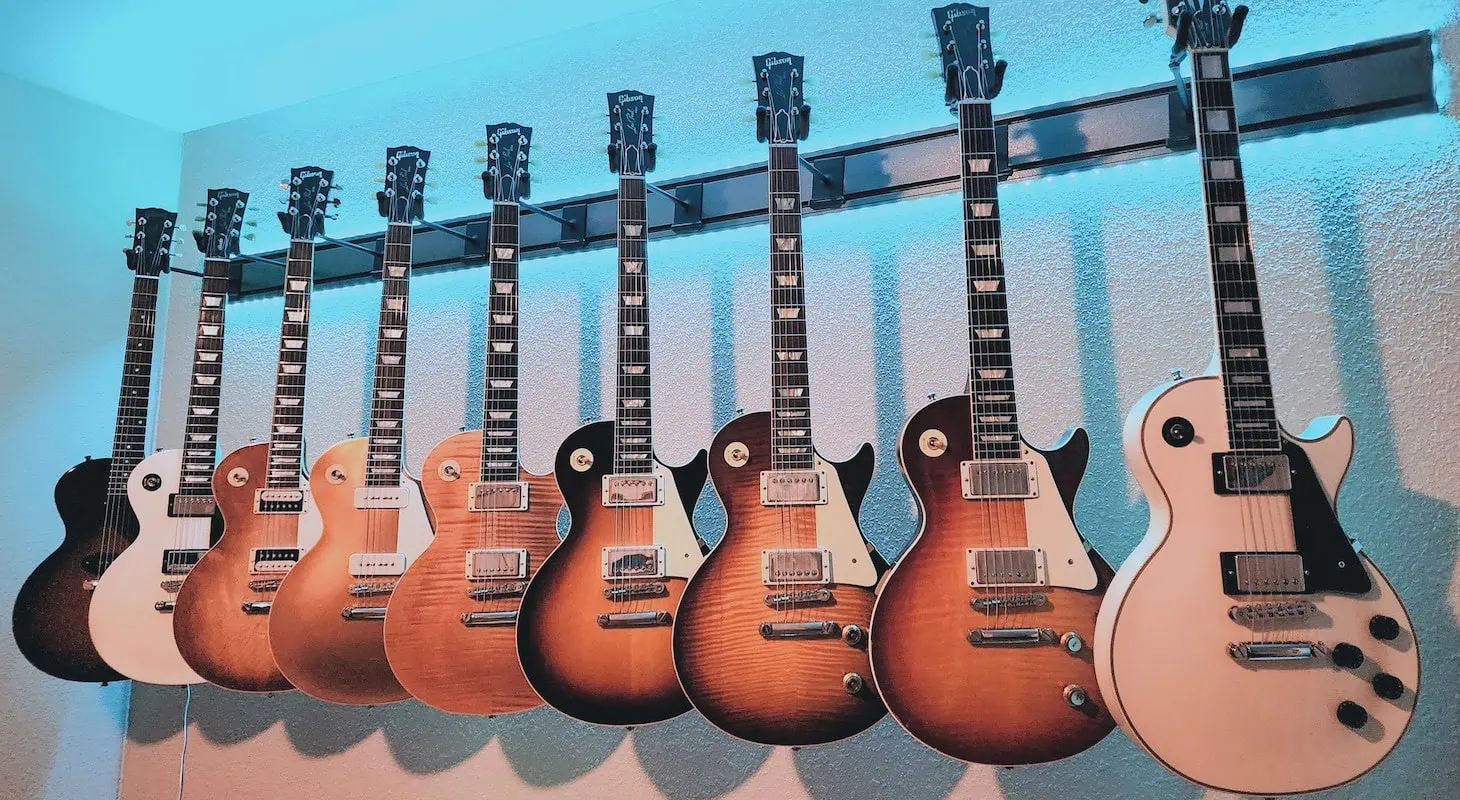
A 1991 Les Paul Studio may have a thick, sticky finish, weak pickups, and rough fret edges. Many players complain about playability and tone.
Credit: musicstrive.com
Les Pauls During The 2000s: Mixed Results
The 2000s were a time of change at Gibson. The company tried new ideas, some good and some bad.
Key Issues
- Chambered bodies: To reduce weight, Gibson made some Les Pauls with chambers inside the body. This changed the sustain and tone.
- Robot tuners: Some models came with automatic tuning systems, which many guitarists disliked.
- Richlite fingerboards: Instead of rosewood or ebony, Gibson used Richlite, a synthetic material. Some players feel it lacks warmth.
Years With Problems
- 2006–2011: Chambered bodies became common, especially in the Les Paul Standard line. Robot tuners appeared on some models in 2008 and 2015.
- 2012–2014: Richlite fingerboards on some Custom models. Many buyers prefer traditional wood.
Example
A 2010 Les Paul Standard may have a chambered body, unusual pickups, and a “modern” look. The sound is lighter and less “classic. ”
2015: The Year Many Guitarists Avoid
The 2015 Les Pauls are often seen as the worst recent year. Gibson made several big changes:
- Wider necks: The neck width increased, making the guitar feel strange to many players.
- G-Force robot tuners: Automatic tuning machines replaced traditional tuners.
- Zero fret nut: Instead of a standard nut, Gibson used a metal “zero fret” system.
- Les Paul signature: Les Paul’s signature was printed large on the headstock, which many disliked.
- Price increase: Guitars cost more, but many felt quality didn’t match.
Why These Changes Failed
Most guitarists want the classic feel and look. The 2015 models felt unfamiliar and less playable. Many buyers returned or sold their guitars. Gibson quickly went back to traditional designs in 2016.
Data Comparison
Here’s how the 2015 Les Paul Standard compares to other years:
| Feature | 2014 Standard | 2015 Standard | 2016 Standard |
|---|---|---|---|
| Neck Width | 1.695″ | 1.795″ | 1.695″ |
| Robot Tuners | No | Yes | No |
| Zero Fret Nut | No | Yes | No |
| Signature | Small | Large | Small |

Credit: truevintageguitar.com
Les Paul Studio And Other Lower-end Models
Not all Les Pauls are expensive or vintage. The Studio and other affordable models have their own issues.
Key Points
- Cheaper hardware: Studios often have lower-quality tuners, bridges, and pickups.
- Plain tops: Less attractive wood, sometimes mismatched.
- Thicker finishes: Paint can be sticky and affect tone.
Years To Avoid
- 1990–1998: Studios from this period often had cheap hardware and rough fretwork.
- 2006–2012: Many Studios had chambered bodies and lower-end pickups.
Example
A 2008 Les Paul Studio may feel lighter, but the tone is less full and the hardware wears out quickly.
Common Mistakes When Choosing A Les Paul
Many buyers focus only on the year and forget other important factors. Here are mistakes to avoid:
- Ignoring model differences: Not all Les Pauls are the same. Standard, Custom, Studio, and Classic models have different specs.
- Believing all old Les Pauls are better: Some vintage years are actually poor quality.
- Trusting looks over sound: A guitar may look beautiful but sound dull.
- Not testing in person: Always play the guitar before buying, if possible.
- Missing hidden repairs: Some older guitars have neck or headstock repairs that affect value.
How To Identify Problem Years
If you’re shopping for a Les Paul, here’s how to spot guitars from years to avoid:
Serial Numbers
Gibson uses serial numbers to track production. You can check the year by looking at the serial.
- Norlin era: Serial numbers can be confusing, but most start with “99,” “00,” or “06.”
- 1990s: Serial numbers start with the year, such as “90XXXXXX” for 1990.
- 2015: Serial number starts with “15XXXXXX.”
Construction Features
- Pancake body: Look for a thin strip between two thick layers on the side of the guitar.
- Volute neck: Small bump behind the headstock.
- Richlite fingerboard: Smooth, plastic-like feel compared to wood.
- Robot tuners: Bulky machine on the headstock instead of standard tuners.
Table: Features By Year
Here’s a quick guide to features you may want to avoid:
| Year(s) | Problem Feature | How to Spot |
|---|---|---|
| 1970–1975 | Pancake body, maple neck, volute | Check side of body, feel neck |
| 1976–1985 | Heavy weight, poor finish | Weigh guitar, inspect paint |
| 1990–1994 | Thick finish, uneven frets | Look for shine, check fret edges |
| 2006–2011 | Chambered body | Check weight, tap body |
| 2015 | Wide neck, robot tuners, zero fret nut | Measure neck, look at tuners |
| 2012–2014 | Richlite fingerboard | Touch fingerboard, check specs |
What Makes A Good Les Paul?
If you want a classic Les Paul sound and feel, look for these features:
- Solid mahogany body: No chambers, no pancake construction.
- Mahogany neck: Warm tone, comfortable shape.
- Rosewood or ebony fingerboard: Traditional wood, smooth feel.
- High-quality pickups: Classic PAF-style humbuckers.
- Good fretwork: Smooth, even frets, no sharp edges.
- Thin nitrocellulose finish: Lets wood breathe and improves resonance.
Recommended Years And Models
If you want to avoid bad Les Pauls, look for these periods:
- 1958–1960: Legendary vintage models, very expensive but top quality.
- 1987–1992: After Norlin, Gibson improved quality and returned to classic designs.
- 1995–2005: Consistent build quality, good wood selection.
- 2016–present: Modern standards, traditional features, good quality control.
Modern Vs Vintage
Vintage Les Pauls are famous, but modern guitars can be just as good. Modern models often have better fretwork and electronics. If you can’t afford a vintage model, a post-2016 Les Paul is a safe choice.
Non-obvious Insights
- Weight isn’t everything: Many buyers think heavier Les Pauls sound better. But weight is not always linked to tone. Some lighter guitars sound just as good.
- Finish affects tone: Thick, glossy finishes may look nice but dull the sound. Thin finishes help the guitar “breathe.”
- Electronics can be upgraded: If you find a Les Paul with bad pickups or pots, these parts are easy to change. The body and neck matter most.
Credit: www.geartalk.com
Real World Examples
- A 1977 Les Paul Custom: Heavy, pancake body, and a bright maple neck. Many players say it lacks sustain and warmth.
- A 1993 Les Paul Studio: Uneven frets, thick finish, but easy to upgrade. Some players swap pickups and hardware to improve tone.
- A 2015 Les Paul Standard: Wide neck, robot tuners, zero fret nut. Many owners replaced the tuners and nut but still found the neck uncomfortable.
Price And Value: What To Expect
Les Paul prices vary by year and model. Here’s a quick comparison:
| Year | Model | Average Price (Used) | Resale Value |
|---|---|---|---|
| 1970–1975 | Standard | $2,000–$3,000 | Low |
| 1987–1992 | Standard | $2,500–$4,000 | Medium |
| 1990–1994 | Studio | $900–$1,200 | Low |
| 2015 | Standard | $1,800–$2,200 | Low |
| 2016–present | Standard | $2,400–$3,000 | High |
Practical Tips For Buying A Les Paul
- Check serial number: Confirm the year and model.
- Inspect the neck: Look for volutes, repairs, or unusual width.
- Test weight and balance: Avoid overly heavy guitars unless you want that sound.
- Play unplugged: Listen to natural sustain and resonance.
- Check electronics: Make sure pickups, switches, and pots work well.
- Ask about upgrades: Some guitars have new pickups or hardware, which can improve quality.
- Get a professional opinion: Take the guitar to a tech or luthier if possible.
Where To Research More
If you want deeper info on Les Paul history, visit Wikipedia for detailed timelines and specs.
Frequently Asked Questions
What Are The Worst Gibson Les Paul Years?
Most experts say the worst years are 1970–1985 (Norlin era), 1990–1994, and 2015. These periods had major changes, poor quality control, and unpopular features.
Are Norlin-era Les Pauls Always Bad?
Not always. Some Norlin Les Pauls are good, especially Custom Shop models or early ones before heavy changes. But most standard models have issues with weight, construction, and tone.
Can Robot Tuners Be Removed From A 2015 Les Paul?
Yes, many owners remove robot tuners and replace them with traditional ones. But the wider neck and zero fret nut can’t be changed easily.
How Can I Tell If A Les Paul Has A Pancake Body?
Look at the side of the guitar. A pancake body will show a thin strip between two thicker layers. This is common in 1970–1975 models.
Is A Chambered Les Paul Always Worse?
No, some players like chambered bodies for lighter weight. But the tone is different—less sustain and fullness. Try both types to see which you prefer.
Buying a Gibson Les Paul can be exciting, but knowing which years to avoid is important. With the information above, you can make a smart choice and find the guitar that fits your style and needs. Always test before buying, check for hidden repairs, and remember that the best Les Paul is the one that feels and sounds right to you.