
If you’re interested in buying an Armada SUV, you probably want a reliable vehicle that lasts for years. But not every year of the Nissan Armada is equally strong. Some years have well-known problems, recalls, and high repair costs. Choosing the right model year can save you money, time, and headaches. In this article, you’ll learn which Armada years to avoid, why they’re problematic, and how to make a smart buying decision. Whether you’re searching for a used Armada or curious about its history, you’ll find clear advice, real examples, and practical tips.
Understanding Nissan Armada’s History
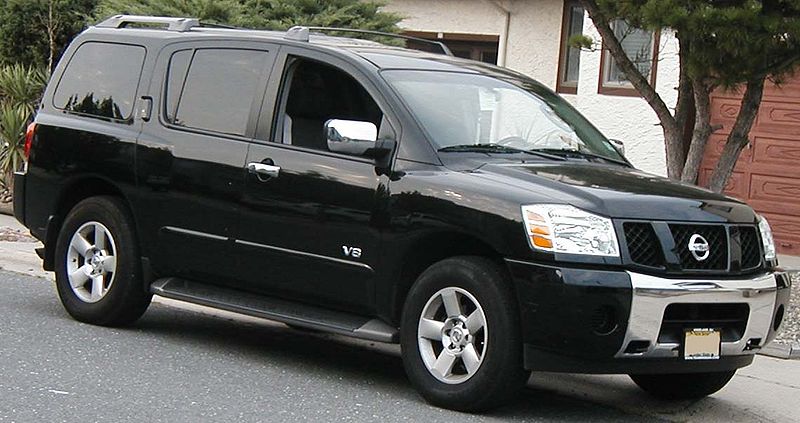
The Nissan Armada launched in 2004 as a full-size SUV. It offers three rows of seats, powerful towing, and family-friendly features. Over the years, Nissan updated its design, engine, and technology. However, some model years had more issues than others. Before diving into which years to avoid, it helps to understand why some Armadas have more problems:
- First-generation models (2004–2015) were based on the Titan truck platform. They focused on power and size, but sometimes sacrificed reliability.
- Second-generation Armadas (2017–present) switched to the Patrol platform. This improved ride comfort and technology but brought new challenges.
Armadas are popular for their value, but certain years stand out for costly repairs, safety concerns, and frequent complaints.
Armada Years To Avoid: Top Problematic Models
Not all Armadas are equal. Based on owner reports, repair statistics, and expert reviews, these are the Armada years to avoid:
- 2004 Nissan Armada
- 2005 Nissan Armada
- 2006 Nissan Armada
- 2008 Nissan Armada
- 2017 Nissan Armada
- 2018 Nissan Armada
Let’s look closer at each troubled year and the main issues.
2004 Nissan Armada
The debut year, 2004, introduced the Armada to the market. But as a new model, it had many problems:
- Brake issues: Owners reported sudden brake failures and vibrations. The infamous “brake judder” led to expensive repairs.
- Electrical faults: Problems with sensors and dashboard lights were common.
- Premature rust: Many vehicles showed rust on the frame and undercarriage, sometimes within two years.
- Transmission glitches: Some drivers experienced rough shifting and total transmission failure.
According to CarComplaints. com, 2004 Armada owners filed over 200 complaints about the brakes alone. RepairPal rates the 2004 model as one of the most unreliable SUVs in its class.
2005 Nissan Armada
The 2005 model continued many of the same problems, with only minor improvements:
- Braking system defects: The brake judder persisted, causing unsafe driving conditions.
- Airbag recalls: Faulty airbag sensors led to several recalls.
- Engine stalling: Some owners reported unexpected engine stalls, especially in hot weather.
- Paint peeling: Early paint wear and peeling were noted by multiple buyers.
A non-obvious insight: Many 2005 Armadas had recurring electrical problems that affected the radio, power windows, and air conditioning. Fixing these issues often required replacing costly modules, not just simple parts.
2006 Nissan Armada
By 2006, Nissan tried to solve some issues, but new ones appeared:
- Continued brake troubles: The brake judder remained a major complaint.
- Failed catalytic converters: This led to emissions problems and expensive replacements.
- Fuel gauge malfunctions: Drivers sometimes ran out of gas because the gauge showed wrong levels.
- Suspension noise: Clunks and rattles from the suspension became common.
If you’re considering a 2006 Armada, check for service records showing brake and suspension repairs. Many used models had repeated fixes that didn’t fully solve the problems.
2008 Nissan Armada
Skipping 2007, the 2008 Armada is another year to avoid:
- Transmission failure: Reports of slipping or failing transmissions increased.
- Electrical issues: Malfunctioning navigation systems and dashboard lights caused frustration.
- Premature wear: Seats, interior trim, and paint often showed wear faster than expected.
A specific statistic: The average transmission repair cost for the 2008 Armada was over $3,000, according to Edmunds.
2017 Nissan Armada
The 2017 model marked the start of the second generation, but it came with its own problems:
- Infotainment glitches: Touchscreen freezing and Bluetooth failures were widespread.
- Air conditioning failure: Many owners needed expensive AC repairs within two years.
- Sensor malfunctions: Parking sensors and collision alerts didn’t work reliably.
- Engine hesitation: Some vehicles experienced lag when accelerating.
A practical tip: If you’re looking at a 2017 Armada, test all electronics carefully. Many issues only appear after extended use.
2018 Nissan Armada
The 2018 model continued many electronic issues from the previous year:
- Bluetooth and navigation failures: Owners reported frequent software bugs.
- Unreliable backup camera: Camera often failed to display, leading to safety concerns.
- Unresponsive controls: Steering wheel buttons and climate controls sometimes stopped working.
A key insight: The 2018 model’s problems are mostly related to technology, not mechanics. These issues can be harder to fix because they require software updates or full component replacements.
Comparison Of Problem Years
To help you see the differences, here’s a quick comparison of the main issues across problematic Armada years.
| Model Year | Main Problems | Average Repair Cost | Common Recalls |
|---|---|---|---|
| 2004 | Brakes, Electrical, Rust, Transmission | $2,800 | Airbag, Brakes |
| 2005 | Brakes, Airbags, Engine Stalling, Paint | $2,400 | Airbag, Electrical |
| 2006 | Brakes, Catalytic Converter, Fuel Gauge, Suspension | $2,600 | Brakes, Fuel System |
| 2008 | Transmission, Electrical, Interior Wear | $3,000 | Transmission, Electrical |
| 2017 | Infotainment, AC, Sensors, Engine Hesitation | $2,900 | Electronics, AC |
| 2018 | Bluetooth, Navigation, Backup Camera, Controls | $2,700 | Electronics |
This table shows that early models struggled with mechanical issues, while recent years had more technology-related problems.
Why These Armada Years Are Problematic
Understanding the reasons behind these issues helps you make smarter choices.
Design Flaws
Early Armadas (2004–2006) suffered from design flaws in brakes and electrical systems. Nissan used new parts that weren’t fully tested, leading to frequent failures.
Poor Quality Control
Reports show that some years had poor quality control at the factory. For example, rust protection was weak in 2004 and 2005, causing early corrosion.
Rapid Technology Changes
In 2017 and 2018, Nissan added more technology, but software was sometimes unstable. New infotainment systems weren’t always reliable, and updates were slow.
Costly Repairs
Many of these issues need expensive fixes:
- Brake repairs often require replacing rotors, calipers, and sensors.
- Transmission problems can mean full replacement.
- Electronic issues sometimes need new computers or wiring.
Non-obvious insight: Even minor electrical problems can affect multiple systems, since modern SUVs use connected modules. Fixing one issue might cause new ones if not handled carefully.
Years With Fewer Issues: Safe Choices
If you want a reliable Armada, consider these years:
- 2011–2015: Fewer complaints, improved brakes and electrical systems.
- 2019–present: Better technology, fewer recalls, and more stable electronics.
These models offer a good balance of value and dependability. Always check service records and test all features before buying.
Data Table: Reliable Armada Years
Here’s a look at safer Armada years compared to problematic ones.
| Model Year | Complaints per 1,000 units | Average Repair Cost | Major Issues |
|---|---|---|---|
| 2012 | 5 | $1,600 | Minor electrical |
| 2014 | 4 | $1,500 | Brake wear |
| 2019 | 3 | $1,800 | Infotainment bugs |
| 2020 | 2 | $1,900 | Minor recalls |
| 2005 | $2,400 | Brakes, electrical |
This table shows that newer models have fewer complaints and lower repair costs.
Common Buyer Mistakes
When shopping for a used Armada, many buyers make mistakes that lead to regret:
- Ignoring service records: Always ask for maintenance history. If records are missing, be careful.
- Overlooking recalls: Check if recalls were fixed. Unrepaired recalls can cause safety risks.
- Not inspecting electronics: Test all electronic features. Problems often appear after buying.
- Trusting low mileage too much: Low mileage doesn’t always mean fewer issues. Some faults are age-related.
- Skipping a pre-purchase inspection: Hire a mechanic to check the vehicle before buying.
Avoiding these mistakes can save you thousands of dollars.
How To Check Armada Reliability Before Buying
Take these steps to check reliability and avoid problem years:
- Look up VIN history: Use online tools to see accident and repair history.
- Read owner reviews: Sites like Edmunds and CarComplaints give real-world feedback.
- Check for open recalls: Use the NHTSA website to see if recalls are fixed.
- Inspect brakes and electronics: Test brakes, sensors, infotainment, and AC thoroughly.
- Ask for warranty: Some dealers offer limited warranties on used SUVs.
A confident tip: Never rush your decision. Taking an extra hour to inspect can prevent months of frustration.
Repair Costs And Ownership Expenses
Armada ownership costs depend heavily on the model year. Here’s a comparison:
| Year | Annual Repair Cost | Common Repairs | Repair Frequency |
|---|---|---|---|
| 2004 | $1,300 | Brakes, electrical | High |
| 2012 | $800 | Brakes, minor electronics | Medium |
| 2019 | $600 | Infotainment, AC | Low |
Older Armadas cost more to maintain. Frequent repairs mean higher ownership expenses.
Real-world Examples
Many Armada owners have shared their stories online:
- 2004 Armada owner: “I had to replace the brakes three times in two years. The dealership said it was normal, but I spent over $2,000.”
- 2008 Armada owner: “The transmission failed at 80,000 miles. I paid $3,500 for a new one.”
- 2017 Armada owner: “Bluetooth never worked right. Nissan tried to update the software, but the problem kept coming back.”
These examples show that issues are real and can be expensive.
What To Do If You Own A Problem Year
If you already own a problematic Armada, you can:
- Keep up with maintenance: Regular oil changes, brake checks, and software updates help.
- Fix recalls promptly: Visit a Nissan dealer for recall repairs.
- Consider selling: If repair costs are too high, selling may be cheaper in the long run.
- Upgrade parts: Some aftermarket parts solve common issues, like better brake rotors or improved sensors.
A calm expert advice: Don’t ignore warning lights or strange noises. Early action prevents bigger problems.
Nissan’s Response To Armada Issues
Nissan has addressed some problems through recalls and service bulletins. For example, brake issues led to several recall campaigns. Electronics problems resulted in software updates and improved parts in later models. However, not all fixes were complete, and some issues remain in used vehicles.
If you want official recall information, visit the National Highway Traffic Safety Administration site.
Frequently Asked Questions
What Are The Worst Armada Years To Avoid?
The worst years are 2004, 2005, 2006, 2008, 2017, and 2018. These models have high repair costs, frequent complaints, and major mechanical or electronic issues.
Are Newer Armadas More Reliable?
Yes, 2019 and newer Armadas are generally more reliable. They have fewer recalls and improved technology. Always check for software updates before buying.
How Expensive Are Repairs For Problematic Armada Years?
Repair costs can range from $2,400 to $3,000 for major issues like brakes or transmissions. Electronic repairs also add up, especially if multiple systems fail.
Can I Fix Common Armada Problems Myself?
Some problems, like brake pad replacement or minor sensor issues, can be fixed by a skilled DIYer. However, transmission and electronics repairs often need professional help.
How Do I Check If An Armada Has Recalls?
Enter the VIN on the NHTSA website to see open recalls. Always make sure recalls are fixed before buying or driving a used Armada.
Final Thoughts
Buying a used Nissan Armada can be rewarding, but choosing the wrong year may lead to costly repairs and frustration. The Armada years to avoid—especially 2004, 2005, 2006, 2008, 2017, and 2018—stand out for brake, electrical, and technology issues. Safer choices include 2012–2015 and 2019–present models. Always check service records, inspect electronics, and use trusted sources for recall information. With careful research and attention, you can find an Armada that delivers years of reliable service.