
Buying a Harley Davidson is a dream for many motorcycle lovers. With their classic style, deep rumble, and legendary history, these bikes stand out on the road. But not every Harley is perfect. Some years had problems that can cost you time, money, and peace of mind. If you’re thinking about buying a used Harley, it’s smart to know which Harley Davidson years to avoid and why.
Over the decades, Harley Davidson has produced many models with great reliability. Yet, due to design changes, quality control, or new technology, a few years stand out for the wrong reasons. In this guide, you’ll learn which years are risky, what issues they had, and what you should look for instead.
You’ll also find real examples, comparisons, and answers to the most common questions from buyers.
Why Some Harley Davidson Years Are Risky
No motorcycle brand is perfect every year. Harley Davidson is known for its strong engines and solid build. However, some years had major issues because of new engines, rushed designs, or poor quality parts.
For example, in the late 1990s and early 2000s, Harley made big changes to their engines. Not all these changes worked out well. Certain years saw problems like oil leaks, transmission failures, and excessive engine noise. These problems can turn your dream ride into a headache.
It’s important to remember: not every Harley from a “bad” year will have problems. Some owners take great care of their bikes, and not all issues affect every model. But knowing the risky years helps you ask the right questions and avoid expensive surprises.
Key Harley Davidson Years To Avoid
Let’s look at the most problematic years across different Harley Davidson models. This is based on owner reports, mechanic data, recalls, and resale values.
1. 1999-2001 (twin Cam 88 Engine Launch)
The late 1990s were a turning point for Harley. In 1999, they introduced the Twin Cam 88 engine on their touring models. It brought more power and smoother rides. Sadly, it also brought some of Harley’s worst reliability issues.
Common Problems:
- Cam chain tensioner failure: The plastic shoes wore out quickly, sometimes under 20,000 miles, leading to engine damage.
- Oil leaks: Poor engine sealing led to messy leaks.
- Tappet and bearing issues: Some bikes developed loud ticking noises or engine failure.
Non-obvious insight: Many buyers don’t realize that tensioner failures don’t always show symptoms until damage is done. You might not notice until repairs are expensive.
2. 2003-2006 (early Fuel Injection & Electrical Issues)
These years saw the shift from carburetor to fuel injection. While modern, it came with electrical problems.
Common Problems:
- Faulty wiring: Early fuel injection systems sometimes failed, leaving riders stranded.
- Stator and voltage regulator failures: Charging systems often burned out.
- Poor paint and chrome: Many 2003 models developed rust or peeling, especially on the anniversary edition.
Non-obvious insight: It’s not just the engine. Electronics and finish quality dropped during these years, hurting both ride quality and resale value.
3. 2007-2010 (96ci Engine & Transmission Woes)
Harley increased engine size to 96 cubic inches. These bikes were more powerful, but not always better.
Common Problems:
- Excessive heat: The engines ran hotter than before, causing discomfort and more wear.
- Transmission clunking: The “six-speed cruise drive” transmission was noisy and sometimes rough.
- Premature clutch wear: Many owners had to replace clutches early.
4. 2014 (rush To Meet Emission Standards)
In 2014, Harley made changes to meet new emission rules. Some bikes suffered as a result.
Common Problems:
- Rush job on electronics: The new “Rushmore” infotainment system often failed.
- Starter issues: Many 2014 models had problems starting, especially in hot weather.
- ABS problems: Braking systems sometimes locked or failed to engage properly.
5. 2017 (milwaukee-eight Engine Debut)
Harley’s newest engine, the Milwaukee-Eight, brought more power and smoother riding. But the first models had teething problems.
Common Problems:
- Oil leaks: The new engine sometimes leaked around the head gasket.
- Coolant hose failures (on liquid-cooled models): Hoses sometimes burst or came loose.
- Recall for clutch issues: Many 2017 bikes were recalled for clutches that would not disengage.
Model-specific Problem Years
Not all Harley models are affected equally. Here’s a closer look at the worst years for some of the most popular models.
Harley Davidson Touring Models
Touring bikes like the Electra Glide, Road King, and Street Glide are built for long rides. But certain years are known for problems.
| Model | Years to Avoid | Main Issues |
|---|---|---|
| Electra Glide | 1999-2001, 2007-2010 | Cam tensioners, hot engines, clunky transmission |
| Road King | 2003-2006, 2014 | Electrical, paint, ABS failures |
| Street Glide | 2007-2010, 2014 | Heat, transmission, infotainment system |
Harley Davidson Softail Models
Softails are loved for their classic look and smooth ride. But some years are better avoided.
| Model | Years to Avoid | Main Issues |
|---|---|---|
| Softail Standard | 1999-2001 | Cam chain tensioners, oil leaks |
| Heritage Softail | 2007-2009 | Hot engines, clutch, paint |
| Fat Boy | 2003-2006 | Electrical, chrome peeling |
Harley Davidson Dyna Models
Dyna models are known for their handling and power. But they’re not immune to bad years.
- 2006-2007 Dyna Wide Glide: Problems with the 6-speed transmission and engine overheating.
- 2008-2010 Dyna Super Glide: Electrical issues and clutch failures.
Harley Davidson Sportster Models
Sportsters are simple, reliable, and affordable. Most years are good, but a few stand out for the wrong reasons.
- 2001-2003 Sportster 1200: Ignition module failures and battery drain problems.
- 2004-2006 Sportster 883: Oil leaks and vibration issues after the engine redesign.
What Makes A “bad Year” For Harley Davidson?
Not every problem year is the same. Here are the main reasons some Harley years are best avoided:
- New Engine Designs: Whenever Harley launches a new engine, the first 1-2 years often have bugs. For example, the Twin Cam 88 (1999), 96ci (2007), and Milwaukee-Eight (2017) all had early issues.
- Electrical Overhauls: Years with big changes to wiring or electronics (like 2003–2006 and 2014) often see more failures and recalls.
- Cost-Cutting on Materials: Some years, Harley used lower-quality paint, chrome, or plastic, leading to rust or peeling.
- Regulatory Rush: Years when Harley rushed to meet new rules (like emissions in 2014) often saw reliability dip.
Tip: If you see a big “first” in a Harley model year (new engine, new electronics), be extra careful. Buy only if the bike has been well-maintained and upgraded.
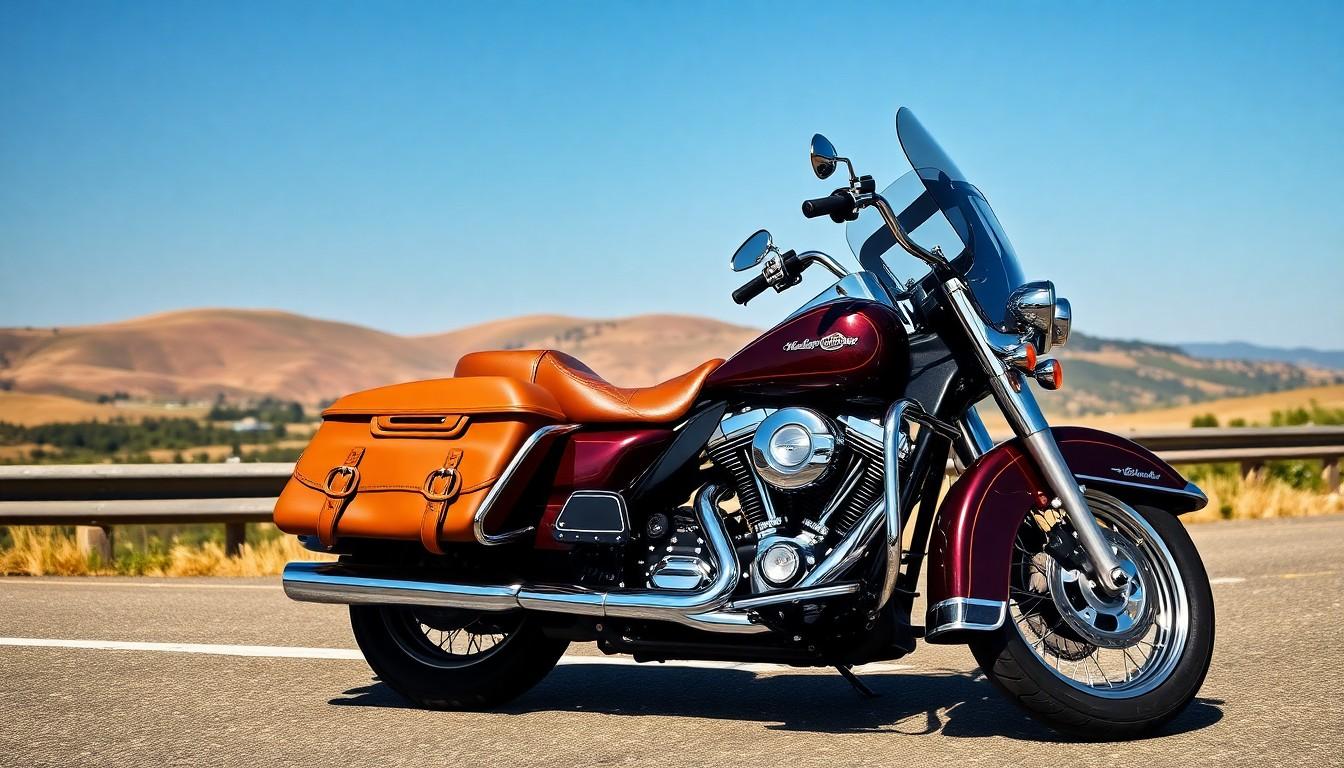
Comparison: Good Years Vs. Years To Avoid
To help buyers, here’s a quick comparison of good Harley years versus the most problematic ones:
| Category | Best Years | Years to Avoid |
|---|---|---|
| Engine Reliability | 2004-2006, 2011-2016 | 1999-2001, 2007-2010, 2017 |
| Electronics | 2008-2013 | 2003-2006, 2014 |
| Paint & Chrome | 2009-2012 | 2003, 2007-2009 |
Practical advice: If you want fewer problems, aim for models 2–4 years after a big engine change. By then, Harley has fixed most early bugs.
Real Owner Experiences: What Do Riders Say?
Reading owner reviews and forum posts shows the real story. Here are a few examples:
- Twin Cam Tensioner Failures: “I bought a 2000 Road King with 18,000 miles. The cam chain tensioners were already worn out. Repair cost me $2,000,” one owner shared.
- Infotainment Frustration: A 2014 Street Glide owner reported, “The Rushmore system froze up all the time. Dealer couldn’t fix it. I finally replaced it with aftermarket audio.”
- Overheating Woes: “My 2008 Electra Glide got so hot, I couldn’t ride in summer. Harley replaced the oil cooler, but it didn’t help much,” says another rider.
These stories highlight that while not every bike will have problems, the risk is much higher in certain years.
Common Mistakes When Buying A Used Harley
Many buyers get caught up in the brand and looks. Here are common mistakes:
- Ignoring Service History: Always check if the cam tensioners or clutch have been upgraded.
- Not Checking for Recalls: Some years had recalls that not all owners fixed.
- Choosing Based on Price Alone: The cheapest bike from a “bad” year may cost more in repairs later.
- Missing Signs of Overheating: Discolored paint near the engine or faded chrome can signal heat problems.
Expert tip: Ask for maintenance receipts. Don’t just take the seller’s word that “it’s all fixed.”
How To Spot Problem Years When Shopping
You don’t need to be a mechanic to spot a risky Harley. Here’s how:
- Ask for VIN: Use the Vehicle Identification Number to check the model year and look up recalls.
- Check Engine Sound: Listen for ticking, knocking, or clunking when test riding.
- Inspect for Leaks: Look under the engine and around gaskets for oil spots.
- Test the Electronics: Make sure the radio, lights, and gauges all work smoothly.
- Feel for Heat: If possible, take a longer test ride. Notice if the seat or engine area gets uncomfortably hot.
How Harley Davidson Has Fixed Past Problems
It’s not all bad news. Harley has worked to fix many past issues. Here’s how they’ve improved:
- Upgraded Tensioners: Newer cam chain tensioners last longer and are less likely to fail.
- Improved Electronics: After 2014, infotainment and wiring problems dropped sharply.
- Better Cooling: Oil coolers and liquid cooling have reduced engine heat in recent models.
Note: Many owners of older Harleys upgrade parts to fix common problems. If you find a bike with upgraded tensioners or cooling, it can be a safer buy—even from a risky year.
Should You Ever Buy A Harley From A “bad Year”?
It’s possible, but be careful. Sometimes, a well-maintained bike from a risky year is a good value. But you need proof that the major issues are already fixed.
Checklist:
- Has the cam chain tensioner been upgraded (1999-2006)?
- Has the clutch been replaced (2007-2010)?
- Are all recalls done?
- Are there receipts for repairs?
If the answer is “yes,” and the price is right, you may get a solid bike for less money. But if you’re not sure, it’s often better to pick a safer model year.
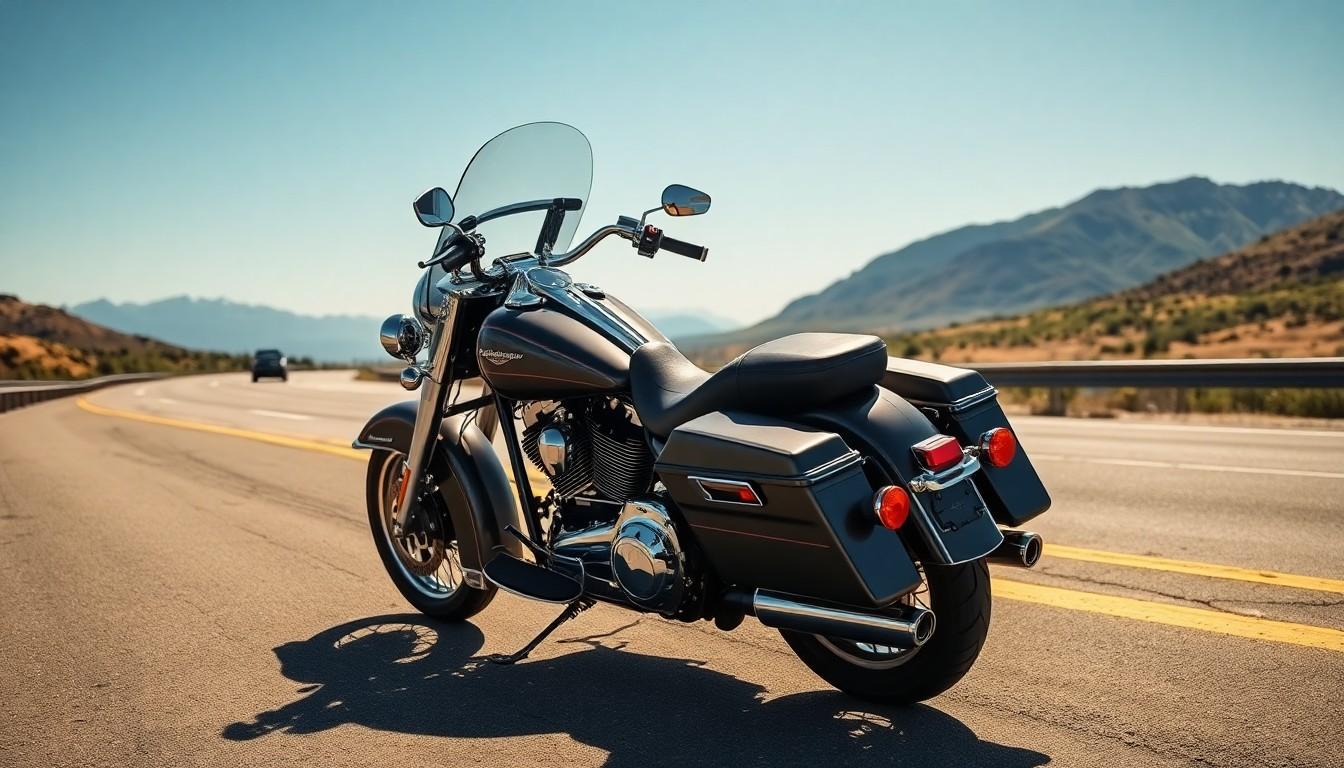
Alternatives: Best Years To Buy
If you want a Harley with fewer risks, here are some of the best years and why:
- 2004-2006: Last years before the 96ci engine, very reliable after tensioner upgrades.
- 2011-2016: Most bugs worked out, strong engines, improved electronics.
- 2018 and newer: Milwaukee-Eight problems mostly fixed, better cooling, and brakes.
Always check maintenance history, but these years have a strong record.
Final Thoughts
Buying a Harley Davidson is a big decision. With so many bikes on the market, it pays to know which years to avoid. The models from 1999–2001, 2003–2006, 2007–2010, 2014, and 2017 stand out for engine, electrical, and quality issues. But with careful research, you can find a Harley that brings joy, not frustration.
Remember, no used motorcycle is perfect. Maintenance and how the last owner cared for the bike matter as much as the year. Ask smart questions, check for upgrades, and consider having a mechanic inspect the bike before you buy.
For more details on Harley Davidson’s history and recall information, check the official Harley Davidson Wikipedia page.

Frequently Asked Questions
What Is The Worst Harley Davidson Year For Engine Problems?
The 1999–2001 models, especially those with the Twin Cam 88 engine, are widely seen as the worst for engine problems. The cam chain tensioner failures could destroy engines if not fixed in time.
Are Newer Harley Davidson Motorcycles More Reliable?
Yes, newer Harleys (especially from 2018 onward) are generally more reliable. Harley improved cooling, electronics, and fixed many old problems. Still, always check for recalls and maintenance history.
Can You Fix Common Problems On Bad Harley Years?
Many common issues, like cam chain tensioner failures or clutch problems, can be fixed with upgrades. If these repairs are already done, a bike from a risky year can still be a good buy.
Which Harley Models Are Least Affected By Bad Years?
Sportster models (except 2001–2006) and Touring models from 2011–2016 are less affected by big issues. These years have fewer engine and electrical complaints.
How Can I Check If A Used Harley Has Recall Fixes?
Ask for the VIN and search it on Harley’s official recall site. Dealers can check for open recalls and repairs done. Always ask for repair receipts to be sure.
Buying the right Harley is about more than just the year. But knowing which years to avoid puts you ahead of most buyers. Take your time, do your research, and enjoy the ride.