
If you are thinking about buying a 4th generation Toyota 4Runner, you’re not alone. This SUV is famous for its strong build, reliable engine, and ability to handle tough roads. But not every model year is perfect. Some years have more problems than others. Knowing which 4th gen 4Runner years to avoid can help you save money, time, and headaches.
Many people believe the 4Runner is always reliable. But every car has weak points. Even Toyota, a brand known for quality, has made mistakes. Some 4th gen 4Runner models have issues that can cost thousands to fix. In this guide, you’ll learn which years are risky, why they are risky, and what to check before buying.
You’ll also see practical data, real-life examples, and expert advice. This article is designed for buyers, owners, and anyone curious about the 4th gen 4Runner. By the end, you’ll know how to spot trouble and make a safer choice.
Understanding The 4th Gen 4runner
The 4th generation Toyota 4Runner was produced from 2003 to 2009. This SUV is known for its solid frame, powerful V6 and V8 engines, and comfortable ride. It’s popular with outdoor lovers and families.
Toyota made big changes for this generation. The 4Runner moved to the 120 Series Land Cruiser Prado platform. It offered better safety, a more modern interior, and new technology like X-REAS suspension and hill-start assist. Both 4.0L V6 and 4.7L V8 engines were available.
But not every year is equal. Some years had design flaws, bad parts, or weak electronics. These problems can be expensive and annoying. If you want a strong 4Runner, it’s important to know which years to avoid.
Main Features Of The 4th Gen 4runner
- Engine options: 4.0L V6 (1GR-FE), 4.7L V8 (2UZ-FE)
- Transmission: 4-speed and 5-speed automatic
- Frame: Body-on-frame construction
- Drive types: Rear-wheel drive (RWD) and four-wheel drive (4WD)
- Safety: Side curtain airbags, stability control (later years)
- Trim levels: SR5, Sport Edition, Limited
The 4th gen 4Runner is respected for its off-road ability and long-lasting engines. But it also has weak points in certain years.
4th Gen 4runner Years To Avoid
Not all 4th gen 4Runners are risky, but some years stand out for their problems. Owners and experts point to specific years that often need costly repairs or show more issues than others. Here are the years you should be careful with:
1. 2003 4runner
The 2003 4Runner was the first year of the 4th generation. First-year models often have more problems, as manufacturers work out design flaws. This year is known for several issues:
- Rust problems: Many owners report severe rust, especially on the frame and suspension. In cold climates, rust can destroy the frame in less than 10 years.
- Head gasket failure: The 4.0L V6 sometimes suffers from head gasket leaks or failure. This can cost over $2,000 to fix.
- Electrical issues: Problems with power windows, door locks, and the dashboard display are common.
- Sunroof leaks: Water can enter through the sunroof, damaging the headliner and electronics.
Example
A 2003 4Runner owner in Michigan reported that their SUV’s frame was rusted so badly it failed a safety inspection after 9 years. Repairing the frame would have cost more than the vehicle’s value.
2. 2004 4runner
The 2004 4Runner improved some features, but it kept many problems from the 2003 model. Most issues are similar, but some are even worse.
- Rust continues: Frame and undercarriage rust remains a major issue.
- Dashboard melting: The dashboard can melt in hot climates, becoming sticky and shiny. This is dangerous, as it can reflect sunlight and distract drivers.
- Suspension failure: The X-REAS suspension system can leak or fail, leading to expensive repairs. Replacement can cost over $1,500.
- HVAC problems: Air conditioning and heating controls sometimes break.
Example
The dashboard melting issue led to a class-action lawsuit against Toyota. Some owners received free replacements, but many still struggle with sticky dashboards.
3. 2005 4runner
The 2005 4Runner is a mixed bag. Toyota fixed some issues, but new ones appeared.
- Transmission problems: Some models have rough shifting, delayed engagement, or slipping gears. Transmission repairs can cost $2,000–$3,500.
- Sunroof leaks: This issue continues from earlier years.
- Dashboard melting: Still seen in hot states like Texas and Florida.
- Engine misfires: The V6 engine can suffer from random misfires, sometimes linked to bad ignition coils or wiring.
Example
Transmission complaints are frequent on car forums. One owner reported that their transmission failed at 120,000 miles, costing $3,000 to replace.
4. 2006 4runner
The 2006 4Runner improved reliability, but a few key issues remained.
- Dashboard melting: This problem peaks in 2006, with hundreds of complaints.
- Rust issues: Still a concern, especially in northern states.
- Suspension leaks: The X-REAS system continues to leak fluid.
Example
In California, 2006 4Runner owners regularly report sticky, shiny dashboards. Toyota sometimes replaced them under warranty, but not always.
5. 2007–2009 4runner
Many experts agree that 2007, 2008, and 2009 4Runners are the most reliable in the 4th gen series. However, they are not perfect.
- Rust problems: Still seen, though less severe.
- Dashboard melting: Fewer cases, but still reported.
- Minor electrical issues: Some owners note problems with sensors and lights.
Example
A 2008 owner in Colorado noticed minor rust on the frame after 10 years. Regular cleaning and undercoating helped prevent serious damage.
Quick Comparison: Problem Years Vs. Reliable Years
Here’s a simple table to help you compare the worst years and the best years for the 4th gen 4Runner:
| Model Year | Main Problems | Reliability Score (1-10) |
|---|---|---|
| 2003 | Rust, head gasket, electrical | 5 |
| 2004 | Rust, dashboard melting, suspension | 5 |
| 2005 | Transmission, dashboard, sunroof | 6 |
| 2006 | Dashboard, rust, suspension | 6 |
| 2007 | Minor rust, dashboard | 8 |
| 2008 | Minor rust, electrical | 8 |
| 2009 | Minor rust, electrical | 8 |
Why These Years Have Problems
You may wonder why certain years are worse than others. The answer is a mix of design flaws, supplier issues, and environmental factors.
Design Flaws
Toyota introduced new technology and materials in the 4th gen 4Runner. For example, the X-REAS suspension was advanced, but it leaked and failed often. The dashboard material, meant to look modern, melted in hot climates. Early years had weak seals and gaskets, leading to leaks and engine failures.
Supplier Issues
Some parts, like the dashboard and window motors, came from new suppliers. These parts were not tested well in every climate. Owners in hot, humid, or cold areas saw more problems.
Environmental Factors
Rust is worse in places where roads are salted in winter. The frame coating used in early years failed to protect metal. That’s why 4Runners in Michigan or New York show more rust than those in California.
Non-obvious Insight
Even reliable years can have problems if they were driven in harsh climates. Always check under the SUV and look for rust, no matter the year. Also, 4Runners with X-REAS suspension cost more to fix, even if other parts are strong.
Common 4th Gen 4runner Problems
Before buying any 4th gen 4Runner, it’s smart to know the most common issues. Some problems are small, but others can be expensive.
Rust And Frame Corrosion
Rust is the biggest worry. It can weaken the frame and suspension, making the SUV unsafe. Rust mostly starts in the rear, near the spare tire and suspension.
How To Spot Rust
- Look under the vehicle, near the frame rails and suspension.
- Check for brown flakes or holes.
- Tap with a hammer to check for weak spots.
Dashboard Melting
The dashboard in many 4Runners becomes sticky, shiny, or cracked. It’s not just ugly; it can reflect sunlight and cause accidents.
How To Prevent
- Use sun shades when parked.
- Apply dashboard protectant.
- Consider aftermarket covers.
X-reas Suspension Leaks
The X-REAS system links all four shocks for better handling. But leaks are common. Fixing it can cost $1,500–$2,000.
Signs Of Suspension Leaks
- Oil on shocks or undercarriage.
- Bouncy or uneven ride.
- Warning lights.
Transmission Issues
Some 4Runners have transmission problems. Rough shifting, slipping, and delayed engagement are signs.
How To Check
- Test drive and shift through all gears.
- Listen for noises or delays.
- Check transmission fluid color (should be red, not brown).
Electrical And Sensor Problems
Power windows, door locks, and sensors (like oxygen sensors) can fail. Repairs are usually $100–$300 per part.
Common Symptoms
- Windows move slowly or stop.
- Door locks don’t work.
- Check engine light stays on.
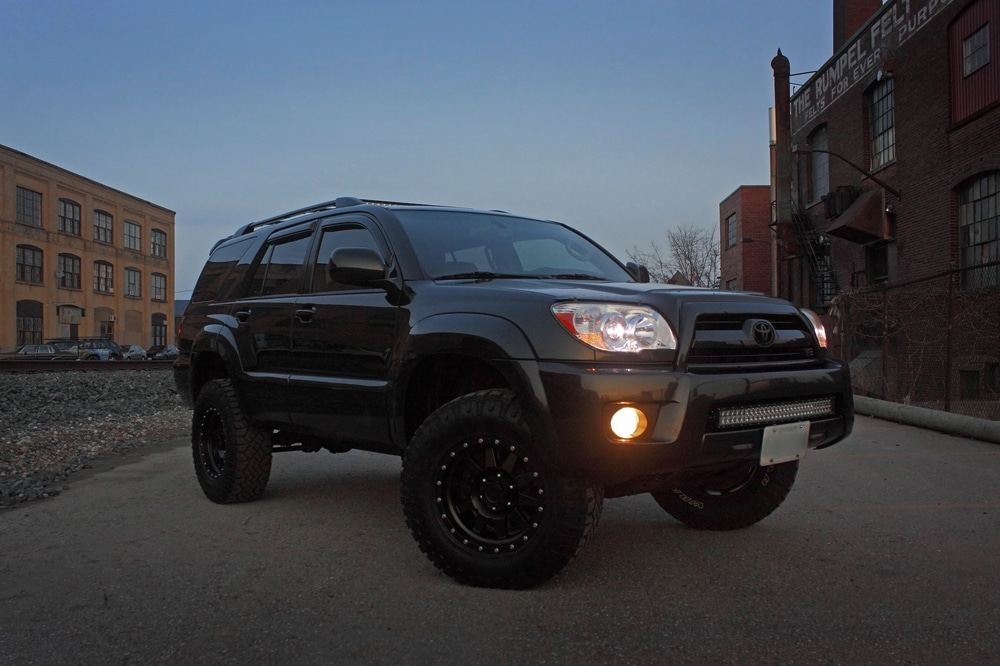
How To Buy A Safe 4th Gen 4runner
If you want a 4th gen 4Runner, it’s possible to find a good one. Here’s how to avoid risky years and make a smart buy:
1. Choose 2007–2009 Models: These years have the fewest complaints. Look for low-mileage and clean history. Avoid models from rust-heavy states unless they were protected.
2. Inspect For Rust: Always check the frame, suspension, and underbody for rust. Bring a mechanic if you’re not sure.
3. Ask About The Dashboard: If the dashboard is sticky or shiny, ask if it was replaced. Some sellers install aftermarket covers, but original Toyota dashboards are best.
4. Check The Suspension: If the SUV has X-REAS, look for leaks. If leaks are present, negotiate the price down, as repairs are expensive.
5. Review Maintenance Records: Ask for service history. Well-maintained 4Runners last longer. Look for records of timing belt, water pump, and transmission service.
6. Test Drive: Drive the car on both city roads and highways. Shift through all gears, check all buttons, and listen for noises.
7. Use Vehicle History Reports: Get a report from Carfax or AutoCheck. Look for accidents, title issues, and major repairs.
8. Avoid Modified Vehicles: Lift kits, big tires, and aftermarket parts can hide problems. Stock 4Runners are usually safer.
9. Ask About Recalls: Check for open recalls. Toyota fixed some dashboard and suspension problems for free.
10. Don’t Rush: Take your time. The best deals come to people who wait and inspect carefully.
Data Table: Common Repair Costs
Here’s a quick reference for major repair costs on the 4th gen 4Runner:
| Problem | Repair Cost (USD) | Frequency |
|---|---|---|
| Rust repair/frame | $1,500–$5,000 | Common (2003–2006) |
| Head gasket replacement | $2,000–$3,500 | Occasional (2003–2004) |
| Dashboard replacement | $1,000–$1,500 | Common (2004–2006) |
| X-REAS suspension fix | $1,500–$2,000 | Common (2003–2006) |
| Transmission rebuild | $2,000–$3,500 | Occasional (2005) |
| Electrical repairs | $100–$300 | Common (all years) |
Real-life Owner Experiences
Many 4Runner owners share stories online and in forums. These stories help buyers understand real risks.
- A 2004 owner in Georgia had their dashboard replaced after a sticky mess appeared in summer. Toyota paid for the fix after a recall.
- A 2005 owner in New York saw rust holes in the frame after seven winters. Repairing the frame cost more than $3,000.
- A 2008 owner in California never saw rust but had to replace a bad oxygen sensor for $200.
Non-obvious Insight
Most problems are worse in SUVs used for towing, off-roading, or in salty climates. If you find a 4Runner with a clean, rust-free frame and a replaced dashboard, it’s often worth paying a bit more.

Comparing 4th Gen 4runner To Other Suvs
If you’re unsure about the 4Runner, you might consider other SUVs. Here’s how the 4th gen 4Runner stacks up against two popular rivals:
| Model | Reliability | Repair Costs | Off-Road Ability | Main Weakness |
|---|---|---|---|---|
| 4th Gen 4Runner | High (2007–2009) | Moderate | Excellent | Rust, dashboard |
| Jeep Grand Cherokee (2003–2009) | Medium | High | Good | Electrical, transmission |
| Honda Pilot (2003–2008) | High | Low | Fair | Timing belt, transmission |
The 4Runner is great for off-road use and long life, but other SUVs can offer lower repair costs and fewer rust issues.
Frequently Asked Questions
What Is The Best Year For The 4th Gen 4runner?
Most experts agree the 2007–2009 4Runners are the best. These years have fewer problems with rust, dashboard melting, and suspension leaks. They are also safer and more reliable.
How Can I Check For Frame Rust Before Buying?
Check under the SUV, especially near the rear suspension and spare tire. Look for brown flakes, holes, or soft spots. Tap with a hammer—if the metal is weak, it may break. Consider having a mechanic inspect it.
Is The Dashboard Melting Problem Fixed In Newer Models?
The dashboard issue peaks in 2004–2006 models. Toyota offered free replacements for some years, but not all. Later models (2007–2009) have fewer problems, but it’s wise to check before buying.
Should I Avoid The X-reas Suspension?
The X-REAS suspension offers better handling, but it’s expensive to fix. If you don’t need sporty handling, look for a 4Runner without X-REAS. Repairs can cost $1,500–$2,000.
Where Can I Find More Detailed Reliability Data?
You can see detailed owner complaints, recalls, and reliability ratings at Consumer Reports. They track real-world problems and offer expert advice.
Final Thoughts
The 4th gen 4Runner is a strong SUV, but not every year is safe. Avoid 2003–2006 models if you want fewer worries and lower repair costs. Focus on 2007–2009 models, check for rust, and ask about dashboard and suspension fixes. Don’t rush—inspect, test drive, and review the history. With careful shopping, you can enjoy a reliable 4Runner for many years.