
Buying a used car can feel risky, especially when you want reliability and value. For many, Scion was a brand that promised affordable, youthful vehicles with Toyota’s quality. But not every Scion model or year lived up to that promise. If you’re thinking of buying a used Scion, it’s smart to know which Scion years to avoid—and why. This guide gives you clear advice, backed by data and real owner experiences, so you can make the best choice for your next car.
Why Some Scion Years Are Risky
Scion was launched by Toyota in 2003 to attract younger drivers. The idea was simple: offer stylish, customizable cars at a low price. Most Scions were reliable, but a few years saw more problems, recalls, and complaints than others. Some models had issues with engine failure, transmission trouble, or cheap interior parts. These problems often show up after a few years, so used Scions from these years can become expensive headaches.
Car manufacturers sometimes experiment with new engines, designs, or technology. When these changes go wrong, it affects certain years more than others. Scion also had some “first-year” models that looked exciting but had hidden flaws. Knowing these risky years helps you avoid buying a car that will cause trouble later.
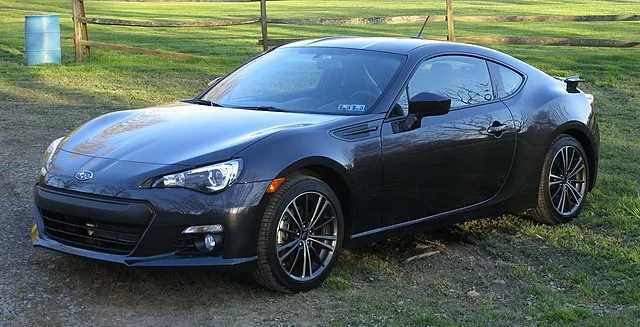
Scion Models Overview
Before diving into specific years, let’s quickly look at the main Scion models. This helps you understand which models are more likely to have issues.
- Scion xA: Compact hatchback, sold from 2004–2006.
- Scion xB: Boxy wagon, first sold in 2004. Two generations: 2004–2006 (Gen 1), 2008–2015 (Gen 2).
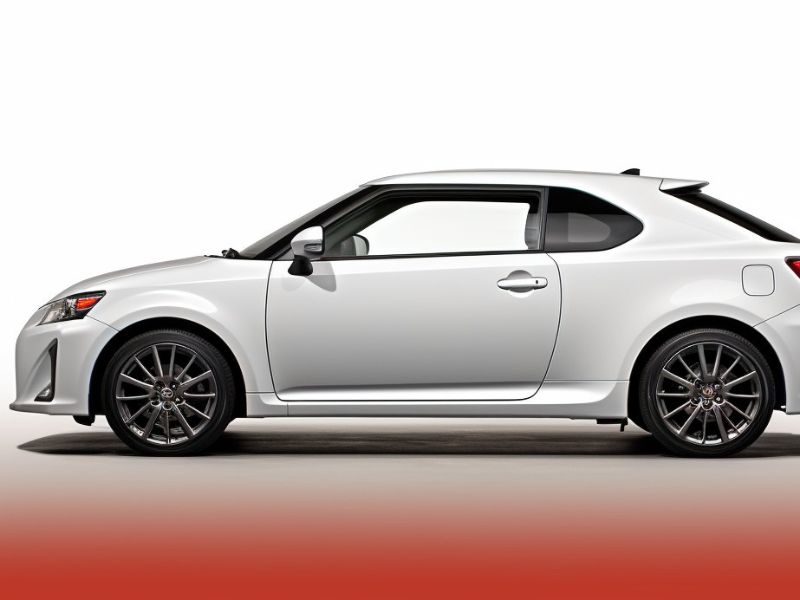
- Scion tC: Sporty coupe, sold from 2005–2016.
- Scion xD: Small hatchback, sold from 2008–2014.
- Scion iQ: Tiny city car, sold from 2012–2015.
- Scion FR-S: Sports car, sold from 2013–2016.
- Scion iA/iM: Sold in the last years before Scion ended, 2016.
Each model had strong years and weak years. Let’s look at the ones you should avoid.
Scion Years To Avoid: Model-by-model
Not every Scion year is bad. But some stand out for frequent complaints, costly repairs, or major recalls. Here’s a breakdown for each model.
Scion Xa
The Scion xA was mostly reliable. However, the 2005 xA had some issues:
- Electrical problems: Owners reported issues with power windows and locks.
- Air conditioning: Some units failed after a few years, costing hundreds to fix.
While these issues were not widespread, the 2005 xA is a bit riskier than other years.
Scion Xb (first Generation: 2004–2006)
The first-gen Scion xB was known for reliability, but 2005 is a year to watch out for:
- 2005 xB: Complaints about engine stalling and electrical glitches.
- Paint quality: Many owners reported peeling paint after a few years.
If you want a first-gen xB, 2006 is the safest choice.
Scion Xb (second Generation: 2008–2015)
The second-gen xB had more issues than the first. The worst years are:
- 2008 xB: Engine problems, excessive oil consumption, and poor interior quality.
- 2009 xB: Similar oil consumption issues, plus transmission complaints.
Owners of 2008–2009 xB models often faced expensive repairs. Later years improved, but 2008–2009 should be avoided.
Scion Tc (2005–2016)
The Scion tC is popular with younger drivers, but not every year is equal. The following years stand out for problems:
- 2007 tC: Sunroof shattering, engine noise, and clutch failure.
- 2008 tC: Engine oil leaks and excessive oil consumption.
- 2011 tC: Transmission issues, rough shifting, and some engine complaints.
Sunroof issues were so common in 2007 that Toyota issued a recall. Engine problems in 2008–2011 can be expensive to fix.
Scion Xd (2008–2014)
The Scion xD is usually reliable, but avoid:
- 2008 xD: Airbag recall, electrical failures, and weak battery.
- 2009 xD: Fewer problems, but still some electrical complaints.
Later xD years are better, but 2008 is risky.
Scion Iq (2012–2015)
The Scion iQ was a bold experiment in tiny cars. Unfortunately, the first year saw problems:
- 2012 iQ: Steering issues, electrical faults, and brake problems.
Owners often complained of steering lock-up and unreliable brakes. Later iQ years improved, but 2012 is best avoided.
Scion Fr-s (2013–2016)
The Scion FR-S looks sporty but had some early issues:
- 2013 FR-S: Engine stalling, rough idle, and some electrical failures.
- 2014 FR-S: Fewer complaints, but occasional engine noise.
If you want an FR-S, skip the 2013 model.
Scion Ia/im (2016)
These were the last Scion models, and they are mostly reliable. No major years to avoid, but check for recalls before buying.
Data Comparison: Scion Models And Common Issues
To help you understand which Scion models had the most trouble, here’s a comparison table showing complaints and recalls:
| Model | Worst Year | Main Issues | Number of Complaints (NHTSA) | Major Recalls |
|---|---|---|---|---|
| xA | 2005 | Electrical, AC | 42 | 1 |
| xB (Gen 1) | 2005 | Engine, Paint | 67 | 2 |
| xB (Gen 2) | 2008 | Oil, Interior | 109 | 3 |
| tC | 2007 | Sunroof, Engine | 125 | 2 |
| xD | 2008 | Airbag, Electrical | 58 | 1 |
| iQ | 2012 | Steering, Brakes | 34 | 2 |
| FR-S | 2013 | Engine, Electrical | 63 | 1 |
| iA/iM | 2016 | Minor | 13 | 0 |
What Makes Certain Years Bad?
You might wonder why some years are worse than others. Here are the main reasons:
- New engines or parts: When Scion tried new technology, it sometimes caused unexpected failures. For example, the 2008 xB had a new engine with oil consumption problems.
- First-year models: The first year of a new design often has bugs. 2012 iQ and 2013 FR-S are examples.
- Poor quality control: Some years saw cheaper materials or rushed assembly, leading to peeling paint or broken interiors.
- Recalls: Airbag and sunroof recalls affected several models, especially in 2007–2008.
If a model had many complaints and major recalls in a single year, it’s usually best to avoid that year.
Cost Of Repairs: Bad Scion Years Vs Good Years
Repair costs can be much higher for Scion years with known problems. Here’s a comparison showing average repair costs for bad years vs good years:
| Model | Bad Year | Avg Repair Cost (Bad Year) | Avg Repair Cost (Good Year) |
|---|---|---|---|
| xB | 2008 | $1,250 | $650 |
| tC | 2007 | $1,100 | $700 |
| xD | 2008 | $900 | $600 |
| FR-S | 2013 | $1,400 | $800 |
As you can see, picking the wrong year can cost you hundreds more each year.
Real Owner Experiences: What People Say
It helps to hear from real Scion owners. Here are some examples:
- 2008 xB owner: “The engine started burning oil after 60,000 miles. I had to add a quart every two weeks. Toyota refused to fix it under warranty.”
- 2007 tC owner: “My sunroof exploded while driving on the highway. It was terrifying. The dealership said it was a known issue.”
- 2012 iQ owner: “The steering locked up twice. Once while parking, once while driving. Dealer couldn’t find the problem.”
These stories are not rare. Many bad Scion years have similar complaints on forums and review sites.
Common Mistakes When Buying A Used Scion
Many buyers make simple mistakes that lead to expensive regrets:
- Ignoring recalls: Always check for recalls on the year and model you want.
- Skipping inspection: A pre-purchase inspection can reveal hidden issues.
- Relying on low mileage: Even low-mileage cars can have problems if they’re from a risky year.
- Assuming all Scions are reliable: Most are, but certain years are not.
- Buying first-year models: These often have more bugs and recalls.
Avoid these mistakes and you’ll have a better chance of finding a reliable Scion.
How To Check For Scion Recalls And Complaints
Before buying any used Scion, use these steps:
- Visit the NHTSA website and enter the VIN to check for recalls.
- Look for owner complaints on sites like CarComplaints.com.
- Ask the seller for maintenance records.
- Search for Scion forums and read about common issues for your model and year.
This extra effort can save you from buying a car with hidden problems.
Tips For Choosing A Reliable Scion
If you want a Scion that lasts, follow these steps:
- Pick later years: Most Scion models improved over time. For example, the 2010–2015 xB is much better than 2008–2009.
- Avoid first-year redesigns: These often have bugs. For example, avoid the first year of the FR-S or iQ.
- Check for regular maintenance: Well-maintained cars last longer, even in risky years.
- Buy from reputable sellers: Dealers with good reviews are less likely to hide problems.
- Get a mechanic’s opinion: A trusted mechanic can spot issues you might miss.
If you follow these tips, you’ll likely avoid the worst Scion years.
Non-obvious Insights About Scion Years
Here are two things many buyers miss:
- Hidden oil consumption issues: Some bad years, like the 2008 xB and tC, only show oil problems after 50,000 miles. Sellers may not mention this, so check the oil and ask about consumption.
- Interior wear matters: Scion used cheaper interior materials in bad years. If the seats and dashboard look worn after just a few years, expect more problems later.
These insights can help you spot trouble even if the seller seems honest.
How Scion Years Compare To Other Brands
Compared to other brands, Scion’s worst years are not as bad as some competitors. For example, the 2008 xB had engine issues, but it was still more reliable than a 2008 Chevy Cobalt, which had transmission failures and electrical fires.
Scion’s best years, especially late models, are as reliable as Toyota Corolla or Honda Civic. But the worst years are expensive to fix, so it’s smart to compare across brands before buying.
Scion Brand After 2016: What Changed?
Scion ended in 2016. Toyota absorbed the brand, and most Scion models were renamed as Toyotas. For example, the FR-S became the Toyota 86. Quality improved after the change, since Toyota focused more on reliability.
If you buy a late-model Scion, check if it’s really a Toyota. These models usually have better parts and fewer complaints.
Should You Buy A Used Scion?
If you pick the right year, a Scion can be a great used car. They’re fun, affordable, and often reliable. But the wrong year can lead to expensive repairs and frustration. Always check the year, look for recalls, and get a mechanic’s opinion.
If you want more detailed information on recalls and owner complaints, you can check the official NHTSA site at NHTSA.gov.
Frequently Asked Questions
What Is The Worst Scion Year Overall?
The 2008 Scion xB is often considered the worst. It had engine oil consumption issues, interior problems, and frequent complaints. Owners report expensive repairs and frustration.
Are Scion Tc Models Reliable?
Most Scion tC models are reliable, but avoid 2007–2008 and 2011 due to sunroof and engine problems. Later tC years are much better and have fewer complaints.
How Can I Check If A Scion Has A Recall?
Visit the NHTSA website, enter the VIN, and see if there are any active recalls. Always check before buying a used Scion, as recalls can mean serious safety issues.
Do Scion Cars Have Expensive Repairs?
Scion cars from bad years can have expensive repairs, especially for engine, transmission, and electrical issues. Good years are much cheaper to maintain, so picking the right year is key.
Are Scion Iq And Fr-s Good Choices?
Avoid the 2012 Scion iQ and 2013 FR-S due to steering and engine problems. Later years for these models are much better. Always check for recalls and owner complaints before buying.
Final Thoughts
Choosing a used Scion is not just about picking a model—it’s about picking the right year. Some years have hidden issues that can turn a cheap car into a money pit. By focusing on reliable years, checking for recalls, and learning from real owner experiences, you can find a Scion that lasts.
Use this guide, do your research, and enjoy a smart, safe car purchase.