
Buying a used Toyota is often a smart move. Toyotas are famous for reliability, affordable repairs, and strong resale value. But not every Toyota model or year is a safe bet. Some years have more problems, expensive repairs, or even safety risks.
If you’re thinking about a used Toyota, knowing which years to avoid can save you money and stress.
This guide shares which Toyota years have the most trouble, explains why, and gives practical advice for buyers. You’ll see clear data, comparisons, and examples. The aim is to help you pick the right Toyota, avoid costly mistakes, and understand what makes some years riskier than others.
Why Some Toyota Years Are Risky
Even with Toyota’s good reputation, certain years stand out for the wrong reasons. What causes these “bad years”? Usually, it’s a mix of design flaws, recalls, engine problems, or transmission issues. Sometimes, Toyota changed a model’s design or technology, and bugs appeared. Other times, suppliers made mistakes or quality controls slipped.
A few key reasons why some Toyota years are more problematic:
- Major redesigns: When Toyota launches a new version, early years often have more defects.
- Cost-cutting: Sometimes, Toyota uses cheaper parts, leading to more failures.
- High-tech features: New tech can mean more electrical or software problems.
- Supplier errors: Issues with airbags, brakes, or electronics sometimes come from third-party suppliers.
- Regulatory changes: Rush to meet new rules may cause reliability problems.
Non-obvious insight: Even models with strong reputations (like Corolla or Camry) have weak years, especially after big updates.
Toyota Models: Years To Avoid
Each Toyota model has its own “bad years. ” Here’s a detailed look at the most common models, with clear examples and data.
Toyota Camry
The Toyota Camry is one of the best-selling cars in the US. Most years are reliable, but a few stand out for repeated complaints and expensive fixes.
| Model Year | Main Issues | Estimated Repair Costs |
|---|---|---|
| 2007 | Oil consumption, brake issues | $1,500–$3,000 |
| 2008 | Excessive oil burning, dashboard melting | $1,200–$2,500 |
| 2009 | Engine problems, transmission failures | $2,000–$4,000 |
2007–2009 Camry: Owners report excessive oil consumption. Engines can burn oil quickly, leading to expensive repairs. Some dashboards melt in hot climates, creating safety concerns.
Non-obvious tip: Many mechanics suggest avoiding Camrys built between 2007–2009 unless the engine has been replaced or repaired.
Toyota Corolla
The Toyota Corolla is famous for lasting a long time. But some years had transmission, airbag, or electrical problems.
| Model Year | Main Issues | Estimated Repair Costs |
|---|---|---|
| 2003 | Transmission failure, airbag recalls | $1,800–$3,500 |
| 2009 | Steering issues, water pump failure | $1,000–$2,000 |
| 2014 | CVT transmission problems | $2,500–$4,000 |
2003 Corolla: Many reports of transmission failure and airbag recalls. These can mean costly fixes and safety risks.
2014 Corolla: The new CVT transmission was unreliable in early years. Some cars had sudden failures and high repair costs.
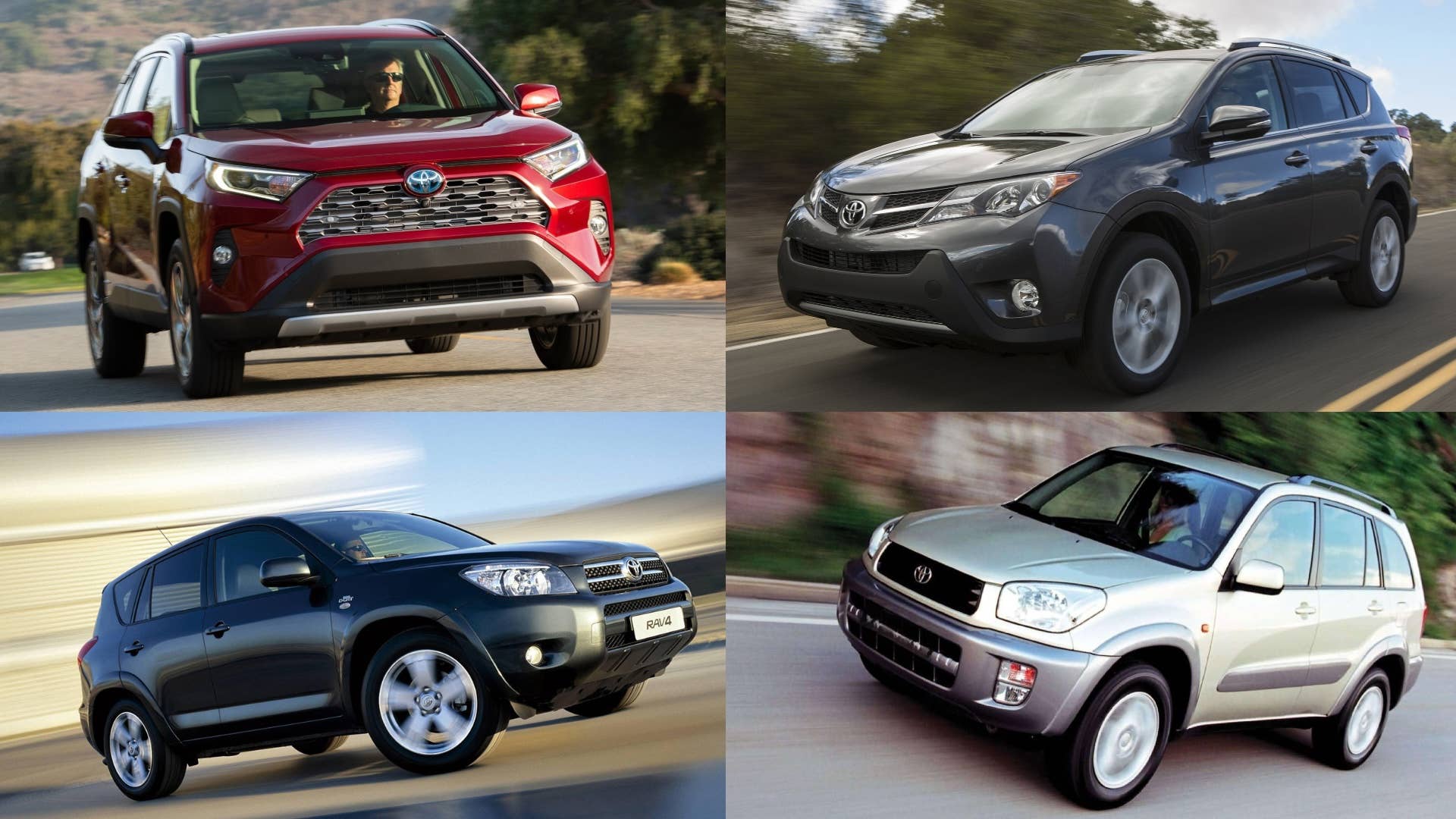
Toyota Rav4
The Toyota RAV4 is a popular small SUV. Most years are strong, but a few had engine and transmission complaints.
| Model Year | Main Issues | Estimated Repair Costs |
|---|---|---|
| 2006 | Engine sludge, steering problems | $2,000–$4,000 |
| 2007 | Transmission failure, suspension issues | $2,500–$5,000 |
| 2013 | Electrical system failure, recall | $1,200–$2,500 |
2006–2007 RAV4: Engine sludge and transmission issues are common. These repairs can cost thousands.
Toyota Prius
The Toyota Prius is known for its hybrid technology. But some years had battery or brake problems.
| Model Year | Main Issues | Estimated Repair Costs |
|---|---|---|
| 2010 | Braking system, headlight failure | $1,500–$3,000 |
| 2012 | Hybrid battery failure | $2,500–$4,000 |
| 2013 | Electrical issues, recall | $1,000–$2,500 |
2010 Prius: Braking system defects caused recalls. Headlight failures were frequent and expensive.
2012 Prius: Hybrid battery problems are costly. Replacement batteries can run $2,500 or more.
Toyota Highlander
The Toyota Highlander is a family SUV. It’s usually reliable, but some years had engine and transmission problems.
| Model Year | Main Issues | Estimated Repair Costs |
|---|---|---|
| 2003 | Engine problems, oil leaks | $2,000–$4,000 |
| 2008 | Transmission failure, water pump leaks | $2,500–$5,000 |
| 2014 | Electrical issues, recall | $1,200–$2,500 |
2003 Highlander: Engine problems and oil leaks often require expensive repairs.
2008 Highlander: Transmission failures and water pump leaks are common.
Toyota Tacoma
The Toyota Tacoma is a popular pickup. Some years are less reliable due to frame rust and transmission issues.
| Model Year | Main Issues | Estimated Repair Costs |
|---|---|---|
| 2005 | Frame rust, clutch failure | $2,000–$6,000 |
| 2016 | Transmission problems, recall | $3,500–$7,000 |
| 2017 | Engine hesitation, sensor failure | $1,500–$3,000 |
2005 Tacoma: Frame rust is a major issue. Toyota had a recall, but repairs are expensive if not covered.
2016 Tacoma: Transmission issues led to recalls and expensive fixes.
Toyota Sienna
The Toyota Sienna is a minivan. Some years have more complaints than others.
| Model Year | Main Issues | Estimated Repair Costs |
|---|---|---|
| 2004 | Transmission failure, door problems | $2,500–$5,000 |
| 2006 | Engine failure, excessive oil use | $3,000–$6,000 |
| 2011 | Electrical issues, recall | $1,500–$3,000 |
2004 Sienna: Transmission failures and sliding door problems are common.
2006 Sienna: Engine failures and oil consumption issues mean expensive repairs.
Most Common Toyota Problems By Year
Certain problems appear more often in bad Toyota years. Here’s a quick overview:
- Engine oil consumption: Especially in Camry and Sienna models (2007–2009, 2006).
- Transmission failure: Corolla 2003, RAV4 2007, Tacoma 2016, Sienna 2004.
- Electrical and hybrid battery issues: Prius 2012, RAV4 2013, Highlander 2014.
- Frame rust: Tacoma 2005, some older models.
- Dashboard melting: Camry 2007–2008, mostly in hot climates.
- Airbag recalls: Corolla 2003, Highlander 2014, Sienna 2011.
Non-obvious insight: Some issues, like engine oil consumption, show up after 60,000 miles—so test drives may not reveal the problem.
Toyota Recall Data
Toyota recalls are public information. Recalls mean Toyota found a safety risk or defect and offers free repairs. Checking recall history is important, but many bad years still have problems after recalls are fixed.
Here’s a comparison of recall numbers for key models and years:
| Model | Year | Recall Count | Main Recall Reason |
|---|---|---|---|
| Camry | 2007 | 6 | Airbags, brakes, engine |
| Corolla | 2003 | 5 | Transmission, airbags |
| RAV4 | 2007 | 4 | Steering, suspension |
| Prius | 2010 | 3 | Brakes, electronics |
| Highlander | 2008 | 4 | Transmission, water pump |
| Tacoma | 2005 | 5 | Frame, clutch |
Tip: Always check the VIN (Vehicle Identification Number) for recalls before buying any used Toyota.

Signs Of “bad Year” Toyotas
When shopping, how can you spot a risky Toyota? Here are some signs:
- Multiple recalls: Years with several recalls are more likely to have ongoing problems.
- Online complaints: Look at sites like NHTSA or Consumer Reports. Many complaints about one year/model is a red flag.
- Dealer reputation: If dealers discount a year heavily, it may be for a reason.
- Unusual wear: Problems like dashboard melting, oil leaks, or rust are often visible.
- Incomplete repair records: Missing maintenance history can hide big issues.
Non-obvious tip: Sometimes, “bad years” are cheaper, but the repair costs can cancel the savings.
How To Check A Used Toyota’s History
Before buying, always check the car’s history. Here’s how:
- VIN Check: Use the VIN to get recall and accident data.
- Maintenance Records: Ask for service history to see if major repairs were done.
- Professional Inspection: Have a mechanic check for engine, transmission, and electrical problems.
- Test Drive: Pay attention to shifting, braking, and warning lights.
- Online Research: Check owner forums and complaint sites.
Non-obvious insight: A car with all recall repairs done and clear maintenance records is much safer—even in a “bad year.”
Toyota Years That Are Still Worth Buying
Not every Toyota with some issues is a bad buy. Some years have minor problems that were fixed quickly, or only affect certain batches. If you find a car with a strong repair history, low mileage, and all recalls done, it may still be a good deal.
Here are some “borderline” years:
- Camry 2010: Improved after 2007–2009, but check oil consumption.
- Corolla 2011: Early CVT issues, but most were fixed.
- RAV4 2014: Some electrical recalls, but generally reliable.
- Prius 2015: Battery improved, but check hybrid system.
- Highlander 2016: Some electrical recalls, but better than 2008.
Non-obvious tip: “Certified Pre-Owned” (CPO) Toyotas often have extra warranty, making borderline years less risky.
Practical Advice For Used Toyota Buyers
If you’re shopping for a used Toyota, follow these steps to avoid “bad years”:
- Research model and year: Use data tables, recall counts, and owner reviews.
- Check VIN for recalls: Make sure all recall repairs are done.
- Inspect for common problems: Look for oil leaks, dashboard wear, frame rust, or battery issues.
- Ask about repairs: Find out if major fixes (engine, transmission, hybrid battery) have been done.
- Avoid high-mileage risky years: Problems often show up after 60,000–100,000 miles.
- Get a professional inspection: A mechanic can spot hidden issues.
- Compare prices: Don’t be tempted by low prices on known “bad years”—the repairs are costly.
Non-obvious tip: Some Toyota issues (like melting dashboards) are cosmetic but can lower resale value. Others (engine, transmission) are much more expensive.
How Toyota Responds To Problem Years
Toyota usually responds to big problems with recalls, technical service bulletins (TSBs), and warranty extensions. But not all problems get fixed for free. Sometimes, fixes are only offered for a limited time or mileage.
For example, Toyota extended warranties for oil consumption issues in Camry 2007–2009, but only for cars with less than 150,000 miles. Frame rust in Tacoma 2005 got a recall, but owners had to act quickly.
Non-obvious insight: If you buy a used Toyota past the recall or warranty window, you may have to pay for repairs yourself.
Toyota Vs. Other Brands: Reliability Comparison
How do “bad year” Toyotas compare to other brands? Here’s a simple reliability comparison:
| Brand | Average Problem Years | Main Issues |
|---|---|---|
| Toyota | 2–3 per model | Engine, transmission, recalls |
| Honda | 2–4 per model | Transmission, airbags |
| Ford | 3–5 per model | Electrical, engine, recalls |
| Nissan | 3–6 per model | CVT, engine, recalls |
Toyota has fewer “bad years” compared to Ford or Nissan, but Honda is similar.
What Makes Toyota “good Years” Stand Out
Toyota’s best years have:
- Low recall counts
- Strong owner reviews
- Few complaints about engine or transmission
- Consistent quality across batches
- Simple, proven technology
Tip: Models that use older, proven engines and transmissions tend to be more reliable.
Where To Find Reliable Toyota Data
If you want more information, these sources are useful:
- NHTSA (National Highway Traffic Safety Administration): Official recall and complaint data.
- Consumer Reports: Owner surveys and reliability scores.
- Edmunds and Kelley Blue Book: Used car values and reviews.
- Owner forums: Real-world feedback.
For official recall and safety information, visit the NHTSA website.
Frequently Asked Questions
What Are The Worst Toyota Years To Avoid?
The worst years are usually:
- Camry 2007–2009
- Corolla 2003, 2014
- RAV4 2006–2007
- Prius 2010, 2012
- Highlander 2003, 2008
- Tacoma 2005, 2016
- Sienna 2004, 2006
These years have more complaints, recalls, and expensive repairs.
How Can I Check If A Used Toyota Has Recall Repairs?
You can check using the VIN at the NHTSA website or ask the seller for repair records. Dealers can also check if recall work was done. This helps you avoid hidden safety risks.
Is It Safe To Buy A Toyota From A “bad Year” If All Repairs Are Done?
It can be safer if all repairs and recalls are completed. Still, some problems (like engine wear) may return, especially on high-mileage cars. Always get a mechanic’s inspection.
Why Do Some Toyotas Have Dashboard Melting Issues?
Toyota used a specific material in some models (Camry 2007–2008) that melts in heat and sunlight. This is cosmetic but can affect resale value and safety.
Are Hybrid Battery Problems Common In Prius?
Hybrid battery issues are more common in early Prius years (2010–2012). Repairs can cost $2,500–$4,000. Later models improved battery reliability.
Choosing the right Toyota takes research and careful inspection. Knowing which years to avoid will help you find a car that lasts, saves money, and keeps your family safe. With the tips and data above, you can shop with confidence and avoid costly surprises.
Toyota still offers some of the best used cars in the world—just make sure you pick the right year.