
The GMC Savana is a popular full-size van known for its versatility, strong engines, and capability to handle both commercial and personal needs. Many people use it for work vans, family transport, or as a base for camper conversions. But not every model year gives the same reliability. Some years are famous for mechanical problems, expensive repairs, or frustrating issues that can make ownership a headache. If you’re looking to buy a used GMC Savana, knowing which years to avoid can save you money, time, and stress. This guide will help you understand which Savana years are risky and why, plus give you practical advice for making a smart purchase.
Why Knowing Problematic Years Matters
Buying a used vehicle always comes with some risk, but the risk increases if you accidentally choose a model year with known defects. The GMC Savana has been on the market since 1996, and while many years are reliable, some stand out for the wrong reasons. Problems can include weak transmissions, faulty brakes, electrical glitches, or rust-prone bodies. When you know which years have these issues, you can avoid costly mistakes and negotiate better with sellers.
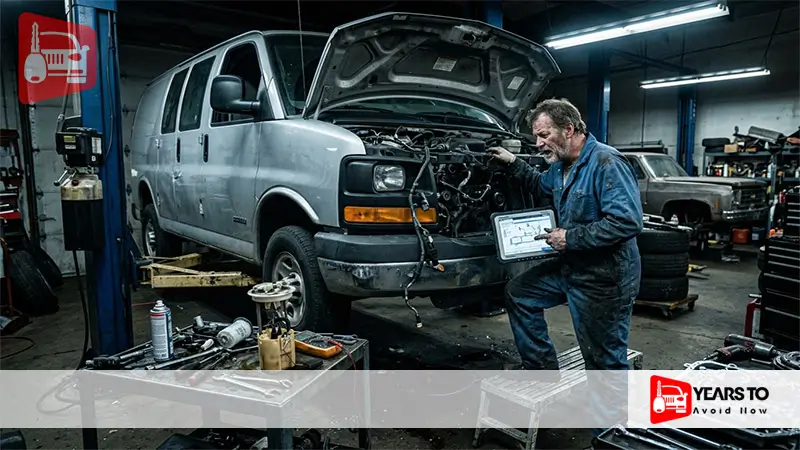
Overview Of Gmc Savana Generations
To understand which years to avoid, it helps to know the main Savana generations and their differences.
| Generation | Model Years | Key Features |
|---|---|---|
| First Generation | 1996–2002 | Launched with new engines, basic safety features |
| Second Generation | 2003–Present | Improved engines, more safety, new electronics |
The 2003 redesign brought updated styling, better engines, and modern safety. However, some of the worst problem years are found in both generations.
Gmc Savana Years To Avoid
Based on owner reports, recall data, and mechanic experience, several Savana years stand out as models you should approach with caution.
1. 2003 Gmc Savana
The 2003 Savana was the first year of the second generation. It came with many updates, but also many growing pains.
- Transmission problems: Many owners report transmission failure as early as 60,000 miles. Repair costs can reach $3,000 or more.
- Electrical issues: Problems with power door locks, windows, and dashboard lights are common.
- ABS brake failures: The anti-lock brake system often malfunctions, which is a safety risk.
One mechanic described the 2003 Savana as “a van that spends more time in the shop than on the road” if not carefully maintained.
2. 2005 Gmc Savana
The 2005 model is another year with high complaints, especially about the engine and brakes.
- Engine stalling: Sudden engine shut-offs while driving have been reported.
- Brake line corrosion: In cold climates, brake lines rust early, leading to leaks and poor braking.
- Air conditioning failures: The A/C system is known to break down, which can be costly to fix.
Many owners had to replace brake lines and A/C components multiple times within the first 100,000 miles.
3. 2010 Gmc Savana
The 2010 Savana continued to suffer from issues with reliability and build quality.
- Transmission failure: Still a big problem, with some vans needing a full rebuild at under 80,000 miles.
- Poor fuel economy: Owners complain that real-world MPG is lower than advertised, sometimes below 12 MPG.
- Interior wear: Seats, door panels, and trim often wear out quickly.
This year is especially risky for buyers who need a van for heavy-duty or commercial use.
4. 2011 Gmc Savana
The 2011 model year is known for electrical gremlins and other headaches.
- Starter and alternator failures: Leading to no-start situations.
- Power windows and locks: Frequent failures that can make daily use frustrating.
- Rust issues: Early body rust, especially in northern states.
Some owners say they spent more than $4,000 fixing electrical and rust issues within the first five years.
5. 2013 Gmc Savana
The 2013 Savana has above-average complaints about brakes and engine systems.
- Stabilitrak and traction control: Warning lights and system failures are common.
- Brake booster leaks: Can lead to a “hard pedal” with reduced braking power.
- Check engine lights: Often linked to oxygen sensors and emissions equipment.
A used 2013 Savana might seem like a bargain, but unexpected repair bills can erase those savings.
6. 2015 Gmc Savana
The 2015 model is affected by newer technology, but not always in a good way.
- Infotainment system glitches: Touchscreens freezing or rebooting.
- Backup camera failures: Important for safety, but sometimes stop working.
- Transmission hesitation: Delayed shifting or “hard” shifts reported by drivers.
If you need a van with a reliable tech package, look for a different year.
Common Problems By Year
To give a quick comparison, here’s a table showing the most common issues for the worst Savana years:
| Model Year | Main Issues | Average Repair Cost |
|---|---|---|
| 2003 | Transmission, ABS, Electrical | $2,500–$4,000 |
| 2005 | Engine, Brakes, A/C | $1,500–$3,000 |
| 2010 | Transmission, Interior, MPG | $2,000–$3,500 |
| 2011 | Electrical, Rust, Starter | $1,800–$4,000 |
| 2013 | Brakes, Engine, Sensors | $1,200–$2,800 |
| 2015 | Infotainment, Camera, Transmission | $1,000–$2,500 |
What Makes A “bad” Year?
Not every year with a few complaints is a year to avoid. A bad year usually means:
- High frequency of expensive repairs
- Recalls for safety or major mechanical defects
- Poor reliability ratings from owners and experts
- Hard-to-fix or recurring issues
Some years may only have minor problems, but the years listed above often require major repairs that affect safety, comfort, or long-term value.
Years With The Most Recalls
Safety recalls are a big warning sign for any vehicle. For the GMC Savana, certain years stand out for the number and severity of recalls.
- 2003–2005: Multiple recalls for seat belts, brakes, and fuel system leaks.
- 2010–2011: Recalls related to airbags, electrical system, and steering.
- 2013–2015: Recalls for brake system and electronic controls.
You can check recall history for a specific VIN on the official NHTSA website.
Gmc Savana Years With Fewer Problems
If you want to avoid headaches, there are certain Savana years that have strong reliability records:
- 1999–2002: Simple engineering, fewer electronic parts to fail.
- 2007–2009: Improved transmissions, fewer complaints.
- 2016–2018: Updated safety features, better reliability.
These years are not perfect, but they have lower repair costs and fewer major complaints.
Real-world Owner Experiences
Reading reviews and owner forums reveals what people actually experience with their Savana vans.
- One 2003 owner said, “I love the space, but after the third transmission rebuild, I wish I’d bought a different year.”
- A 2011 owner shared, “The van runs great, but the electrical issues are endless. Power windows, locks, even the radio quit working.”
- In contrast, a 2008 owner reported, “Just oil changes and brakes. No major repairs in 120,000 miles.”
These stories show how picking the right year can make a huge difference.
How To Check For Problems Before You Buy
Even if you avoid the worst years, you still need to inspect any used van carefully.
- Check the service history. Look for regular oil changes, transmission service, and recall repairs.
- Get a pre-purchase inspection from a trusted mechanic.
- Test drive the van. Listen for odd noises, shifting problems, or warning lights.
- Look for rust under the van, around doors, and on brake lines.
- Check electronics. Test every window, lock, light, and the infotainment system.
If the seller can’t provide maintenance records or the van feels “off,” walk away.
Practical Tips For Buying A Used Gmc Savana
Buying a used Savana can be a good deal if you’re careful. Here are some expert tips:
- Avoid the cheapest vans. Low price often means high repairs.
- Ask about transmission work. Rebuilt or replaced transmissions are common.
- Look for fleet vehicles. These are usually well-maintained but check for high mileage.
- Check for past accidents. Use a service like Carfax or AutoCheck.
- Negotiate based on issues. If you find minor problems, ask for a lower price.
A little patience can save you thousands in future repairs.
Common Buyer Mistakes
Many people rush into buying a used van and regret it later. Here are mistakes to avoid:
- Ignoring known problem years: Some buyers think they will get lucky, but statistics say otherwise.
- Skipping inspection: Hidden issues can cost more than the van itself.
- Focusing only on mileage: A well-maintained van with 150,000 miles is often better than a neglected one with 80,000.
- Not budgeting for repairs: Older vans will need some work, so plan your finances.
Always keep in mind that a “good deal” can turn bad if you buy the wrong year.
How The Savana Compares To Other Vans
If you’re not set on the Savana, it’s smart to see how it stacks up against competitors. Here’s a quick comparison:
| Model | Main Strengths | Main Weaknesses |
|---|---|---|
| GMC Savana | Strong engines, towing, simple design | Some years unreliable, poor MPG |
| Ford Transit | Better fuel economy, modern tech | Turbo issues in early years |
| Chevrolet Express | Similar to Savana, easy parts | Same problem years as Savana |
| Mercedes Sprinter | Diesel engines, cargo space | High repair costs, complex electronics |
The Savana is strong for towing and work use, but not the best for fuel savings or luxury.
Under-the-radar Issues Beginners Miss
Most buyers focus on major repairs, but there are two less obvious problems with the Savana:
- Window and door seals often leak after a few years, leading to water inside the van and moldy smells. Replacing seals is cheap, but finding leaks can take time.
- HVAC blend doors (which control heat and air flow) sometimes fail. This can make the van uncomfortable in extreme weather, and repairs are labor-intensive because the dashboard must be removed.
Watching for these issues can help you avoid small problems that turn into big annoyances.
Should You Ever Buy A “bad Year”?
Sometimes you find a “bad year” Savana in great shape, with all major problems fixed. Should you buy it? It’s possible, but only if:
- The seller has receipts for big repairs (transmission, brakes, A/C, electronics).
- The price is low enough to cover possible future repairs.
- You trust the mechanic who worked on it.
Otherwise, it’s safer to choose a year with a better reputation.
Frequently Asked Questions
What Is The Worst Year For The Gmc Savana?
Most experts and owners agree that 2003 is the worst year for the Savana. It had major transmission, electrical, and brake problems, leading to expensive repairs and many recalls.
Are Later Model Gmc Savanas More Reliable?
Generally, 2016 and newer Savanas are more reliable. They have updated safety features and improved electronics. However, always check for recalls and do a full inspection before buying.
Is The Gmc Savana Better Than The Chevy Express?
The GMC Savana and Chevy Express are almost identical under the skin. They share engines, transmissions, and most parts. The main difference is styling and brand reputation. Problems and good years are usually the same.
How Long Does A Gmc Savana Last?
With proper care, a Savana can last 200,000 miles or more. Key factors are regular maintenance, avoiding rust, and fixing small issues early. Vans used for heavy commercial work may wear out faster.
Where Can I Check Recall History For A Gmc Savana?
You can check for recalls by entering the VIN on the official NHTSA website. This shows open recalls, repair status, and safety bulletins.
Finding the right GMC Savana can be a great investment for work or family use, but picking the wrong year can lead to endless repairs. By avoiding the most problematic models and using careful inspection, you can enjoy years of reliable service. Always do your homework and don’t rush the buying process—your future self will thank you.