
If you’re thinking about buying a used Mercedes-Benz, you probably imagine a car that’s comfortable, stylish, and built to last. While many Mercedes models deliver on these promises, not every year is a safe bet. Some model years have expensive, recurring problems that can quickly turn your dream ride into a nightmare. Knowing which Mercedes years to avoid can save you thousands in repairs, keep you safe, and help you make a smart investment.
This guide gives you clear, practical advice about problematic Mercedes-Benz years across popular models, with real examples and data. You’ll also learn why some years are worse than others, what common issues to watch out for, and how to spot a good used Mercedes. Whether you’re a first-time buyer or a car enthusiast, you’ll leave with the knowledge to choose confidently—and avoid costly mistakes.
Why Certain Mercedes Years Are Best Avoided
Car manufacturers sometimes release models that have not been fully tested or use new technology that’s not reliable yet. Mercedes-Benz, despite its reputation for quality, has had some periods where reliability dropped. These problems usually come from:
- Rushed redesigns or new models with untested systems
- Complicated electronics that fail early
- Engine or transmission issues from new engineering designs
- Cost-cutting in parts or assembly, especially during economic downturns
Most of the time, Mercedes listens to customer feedback and fixes these issues within a few years. However, cars from the problem years can still be found on the used market. Knowing which years to avoid can help you skip the headaches.
Mercedes-benz Models With Notorious Problem Years
Some Mercedes models have been more trouble-prone than others. Below, you’ll find the main models with their years to avoid, common issues, and what made those years problematic.
Mercedes C-class
The C-Class is one of Mercedes’ most popular sedans. While usually reliable, a few years stand out for all the wrong reasons.
Years To Avoid: 2001, 2003, 2006-2007, 2015
- 2001 & 2003: These early 2000s models suffered from electrical problems, especially with window regulators, dashboard failures, and the infamous “SBC” brake system (which can fail suddenly and is expensive to repair). Rust was also a big issue.
- 2006-2007: Problems with the balance shaft in V6 engines led to costly repairs. Transmission faults also became common, with rough shifting and early failures.
- 2015: A redesign introduced new infotainment and safety tech, but many owners reported glitches, software failures, and unexpected warning lights. Some even faced engine stalling due to sensor malfunctions.
Common Issues
- Electrical gremlins
- Rust on doors and underbody
- Balance shaft gear failure (especially for V6 engines)
- Transmission problems
Mercedes E-class
Known for luxury and comfort, the E-Class has had some solid years and a few disasters.
Years To Avoid: 2003-2006, 2010, 2014
- 2003-2006 (W211 generation): This period is infamous for the “Sensotronic” brake system (SBC), which was unreliable and expensive to fix. Electrical problems were common, and the air suspension system (AIRMATIC) often failed, leading to costly repairs.
- 2010 & 2014: The 2010 model saw engine and transmission issues, plus premature wear on suspension parts. In 2014, fuel system problems led to leaks and fire risks. The infotainment system frequently froze or crashed.
Common Issues
- SBC brake failure
- AIRMATIC suspension leaks
- Fuel system leaks
- Transmission slipping or jerking
Mercedes S-class
The S-Class represents the top of Mercedes luxury and technology—but sometimes, it’s a test ground for new features that aren’t reliable yet.
Years To Avoid: 2000-2006, 2007, 2013
- 2000-2006 (W220 generation): Early 2000s S-Class cars are famous for air suspension and electrical failures. Many owners reported instrument cluster “blackouts” and rapid rusting.
- 2007: Problems with the new 7-speed transmission and early engine issues.
- 2013: Despite improvements, this year saw persistent infotainment system failures and air suspension leaks.
Common Issues
- AIRMATIC air suspension failures (expensive to fix)
- Electrical issues (door locks, windows, dashboard)
- Rust, especially on underbody and wheel arches
- COMAND infotainment glitches
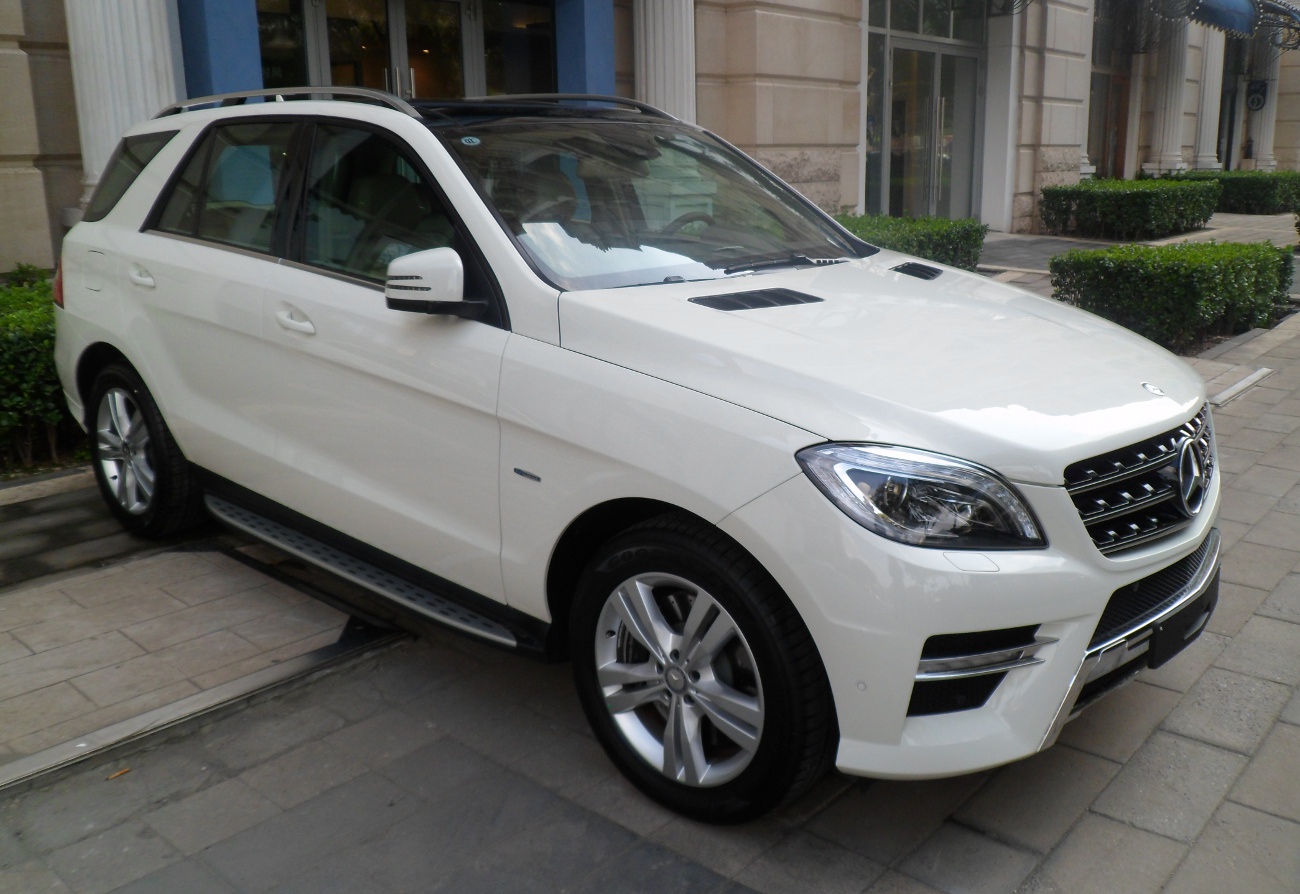
Mercedes M-class / Gle
The M-Class (later renamed GLE) is a midsize SUV, often chosen for family use. Some years are best skipped.
Years To Avoid: 2006, 2012, 2015
- 2006: Engine and transmission failures were common. The “balance shaft” issue from V6 engines also appeared here.
- 2012 & 2015: Problems included faulty power steering, engine stalling, and frequent electrical faults. The 2015 GLE (first year under the new name) had teething problems with new electronics.
Common Issues
- Balance shaft gear failures (V6)
- Power steering malfunctions
- Transmission issues
- Random stalling
Mercedes Gl / Gls-class
The GL/GLS is Mercedes’ largest SUV, designed for comfort and power. But early models and some later years have reliability concerns.
Years To Avoid: 2007, 2008, 2013
- 2007-2008: Suspension failures, air suspension leaks, and electrical gremlins were widespread. Engine timing chain issues appeared in some V8s.
- 2013: This year saw persistent problems with the air suspension, infotainment system, and turbo failure in diesel models.
Common Issues
- AIRMATIC leaks
- Timing chain stretch (V8 engines)
- Turbocharger failure (diesel)
- Electrical glitches
Mercedes Cla-class
The CLA is a newer, entry-level sedan, but it hasn’t escaped early-year troubles.
Years To Avoid: 2014, 2015
- 2014-2015: Many owners complained about transmission hesitation, sudden “limp mode,” and electrical faults, especially with the climate and infotainment systems. Premature brake wear was also common.
Common Issues
- Transmission lag and failure
- Electrical system bugs
- Rapid brake wear
Mercedes Glc-class
The GLC replaced the GLK as Mercedes’ compact SUV. It’s popular, but early models are risky.
Years To Avoid: 2016, 2017
- 2016-2017: These first-year GLCs had engine sensor failures, turbo problems, and infotainment system freezes. The panoramic sunroof sometimes leaked, causing water damage.
Common Issues
- Turbo failure
- Infotainment glitches
- Sunroof leaks
- Engine sensor issues
Key Problems That Make Certain Mercedes Years Risky
Buying a Mercedes from a “bad year” can mean inheriting expensive and sometimes dangerous problems. Here are a few of the most common—and costly—issues you’ll see in these years.
Air Suspension (airmatic) Failures
Many luxury Mercedes models (especially S, E, GL, and some C-Class) use AIRMATIC air suspension for a smooth ride. When this system fails, cars can sag, ride poorly, or become unsafe to drive. Replacing the system can cost $2,000 to $4,000 per axle, and some years are notorious for repeated failures.
Electronic System Glitches
Modern Mercedes rely on complicated electronics for everything from windows to brakes. In some years, these systems are buggy or fail outright. For example:
- COMAND infotainment crashes can disable navigation, radio, and backup cameras.
- SBC brake system failures can leave you without brakes.
Engine And Transmission Problems
Balance shaft gear failures, common in some V6 models, can require engine replacement—costing up to $6,000. Transmission problems (rough shifting, slipping, “limp mode”) can appear as early as 60,000 miles in the worst years. These repairs are rarely cheap.
Rust
Older Mercedes (especially early 2000s C- and S-Class) are prone to rust on the underbody, doors, and wheel wells—even in mild climates. This is more than cosmetic: severe rust can affect safety and resale value.
Cost Comparison: Good Vs. Bad Years
To see why picking the right year matters, compare the average repair costs between a “good” and “bad” model year for the Mercedes E-Class:
| Model Year | Average Annual Repair Cost | Common Major Repairs |
|---|---|---|
| 2004 (Avoid) | $1,500+ | SBC brake, AIRMATIC, electronics |
| 2011 (Safe) | $700 | Minor sensors, routine maintenance |
Non-obvious insight: Some Mercedes years may look like a bargain used, but higher repair costs can quickly erase any savings.
How To Identify A “bad Year” Mercedes Before You Buy
Spotting a risky Mercedes is not always easy, but you can protect yourself with a few smart steps:
- Check the VIN: Use online tools (like Carfax or AutoCheck) to see recall history, accidents, and previous repairs. Avoid cars with repeated repairs for the same system.
- Look up service bulletins: Mercedes issues Technical Service Bulletins (TSBs) for recurring problems. Many TSBs in one year or model mean trouble.
- Inspect for rust and leaks: Bring a flashlight and look under the car, around the doors, and in the trunk for bubbling paint or rust.
- Test all electronics: Make sure windows, locks, infotainment, and climate controls work smoothly.
- Drive at different speeds: Listen for odd shifts, clunks, or warning lights.
Non-obvious insight: Even “good” Mercedes years can be risky if the car wasn’t maintained. Always check for full service records.
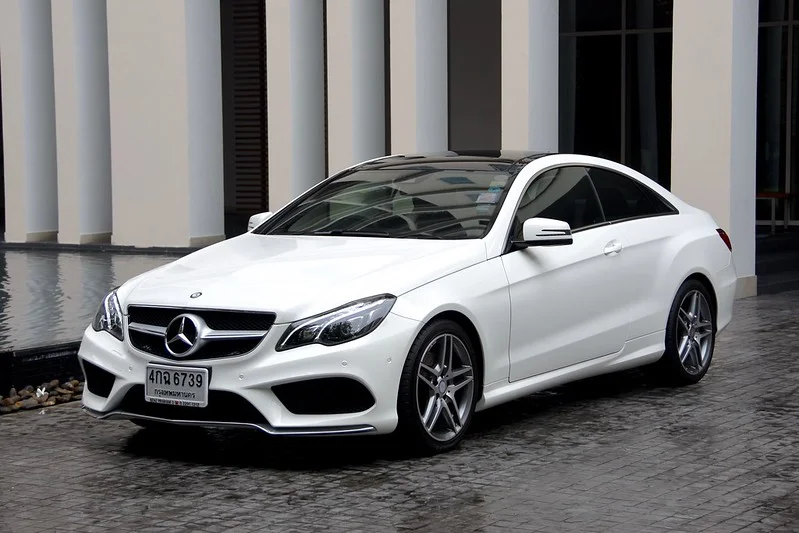
Years Generally Considered Safe Bets
While the focus is on years to avoid, it’s helpful to know which years are generally reliable. Choosing one of these can give you peace of mind and better value.
| Model | Reliable Years | Why They’re Good |
|---|---|---|
| C-Class | 2011, 2012, 2018-2020 | Solid engines, fewer electronic issues |
| E-Class | 2011, 2012, 2017-2019 | Improved reliability, less air suspension trouble |
| S-Class | 2010, 2016-2018 | Refined tech, better rust protection |
| GLC-Class | 2019-2022 | Fewer engine and electronics faults |
Should You Ever Buy A Mercedes From A “bad Year”?
Sometimes, a Mercedes from a problematic year is still worth considering—if it’s been fully repaired and comes with proof. Key things to look for:
- Documented fixes: Ask for receipts showing repairs on known weak points (like SBC brakes or balance shafts).
- Certified pre-owned (CPO) status: Mercedes’ CPO program often repairs major issues and adds warranty coverage.
- Lower price: You should pay significantly less for a risky year, to make up for future repair costs.
However, most buyers are better off picking a model from a reliable year, even if it costs more up front. Peace of mind and lower long-term expenses usually win out.
Mercedes Years To Avoid: Model-by-model Summary
Here’s a quick reference for the main Mercedes-Benz models and the years most experts recommend avoiding:
| Model | Years to Avoid | Major Issues |
|---|---|---|
| C-Class | 2001, 2003, 2006-2007, 2015 | Electrical, balance shaft, rust |
| E-Class | 2003-2006, 2010, 2014 | SBC brakes, air suspension, fuel leaks |
| S-Class | 2000-2006, 2007, 2013 | Air suspension, electrical, rust |
| M-Class / GLE | 2006, 2012, 2015 | Balance shaft, transmission, electronics |
| GL / GLS-Class | 2007, 2008, 2013 | Air suspension, timing chain, turbo |
| CLA-Class | 2014, 2015 | Transmission, electronics |
| GLC-Class | 2016, 2017 | Turbo, infotainment, sunroof |
What To Do If You Already Own A Mercedes From A Problem Year
If you already have one of these models, all is not lost. Here’s how to protect your investment:
- Stay on top of maintenance: Follow the factory service schedule, and don’t skip oil changes or inspections.
- Fix problems early: Small issues (like a warning light or minor leak) can become major repairs if ignored.
- Consider an extended warranty: For high-risk years, an aftermarket warranty can protect you from huge repair bills—but read the fine print carefully.
- Keep good records: When it’s time to sell, detailed service records can help you get a better price—even for a “bad year” car.
Practical tip: If your model has known air suspension or balance shaft problems, ask your mechanic about preventive repairs. Fixing a weak part before it fails is often cheaper in the long run.
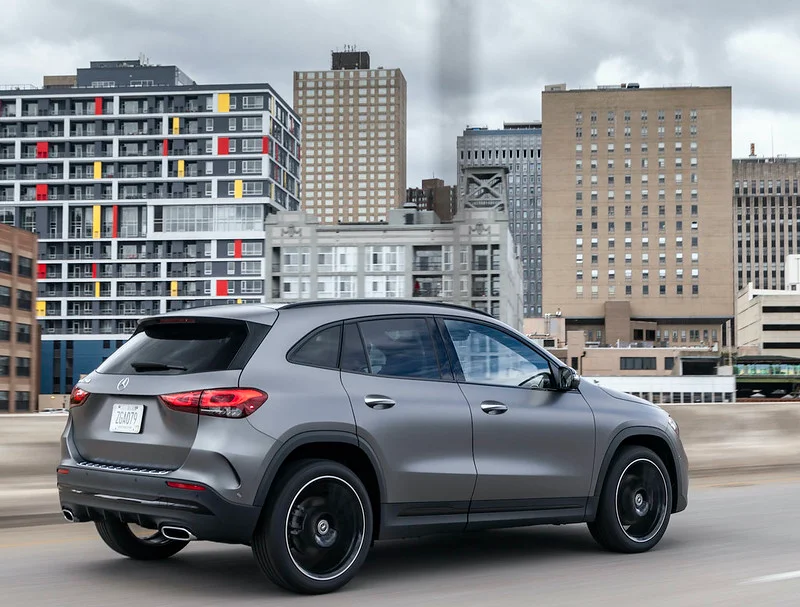
How Mercedes Has Improved In Recent Years
Mercedes-Benz has made big strides in reliability since the mid-2010s. Newer models benefit from:
- Better electronics: Improved testing and software updates have reduced glitches.
- Stronger rust protection: Modern paint and underbody coatings last longer.
- Simplified systems: Some complicated, failure-prone tech (like the SBC brake) has been dropped.
In recent years, Mercedes has ranked higher in reliability surveys from sources like J. D. Power and Consumer Reports. Choosing a post-2016 model usually means fewer headaches.
For more data on Mercedes reliability over the years, see the official Mercedes-Benz website.
Frequently Asked Questions
Is It Expensive To Repair Mercedes-benz Cars From The “bad Years”?
Yes, repair costs can be much higher for problem years. For example, fixing the air suspension or balance shaft can cost several thousand dollars. Parts are usually more expensive, and labor takes longer due to complex engineering.
How Can I Check If A Used Mercedes Has Had Its Issues Fixed?
Always ask for detailed service records and repair receipts. A pre-purchase inspection by a Mercedes specialist can reveal if common faults (like the SBC brake or air suspension) were repaired. Avoid cars with missing or vague service history.
Are Newer Mercedes Models More Reliable?
Generally, yes. Models built after 2016 have fewer major problems. Mercedes has improved electronics, rust protection, and dropped some risky systems. Still, regular maintenance is key for long-term reliability.
What Is The Safest Mercedes Model To Buy Used?
The E-Class (especially 2011-2012 and 2017-2019) is considered one of the most reliable choices. The C-Class from 2018-2020 and the GLC-Class from 2019-2022 are also safe bets for most buyers.
Should I Avoid All Mercedes From The Early 2000s?
Most early 2000s models have more risk due to rust, electronics, and costly repair issues. However, a well-documented, low-mileage car that’s been maintained perfectly can still be a good buy—but always get a professional inspection.
Buying a used Mercedes-Benz can be a rewarding experience if you avoid the problem years. Do your homework, check records, and don’t rush. With the right research, you can enjoy luxury, comfort, and performance—without the unexpected repair bills.