
For over three decades, the Ducati Monster has captured the hearts of motorcycle fans around the world. With its unique blend of Italian style, power, and naked-bike attitude, the Monster became more than just a bike—it became an icon. But not every year of the Ducati Monster’s long history is equally loved.
Some years have serious issues that cost owners time, money, and sometimes safety. If you’re thinking about buying a used Monster, knowing which years to avoid is essential. This guide will help you understand the problem years, why they matter, and how to make the smartest choice.
Why Some Ducati Monster Years Are Best Avoided
The Ducati Monster series, first released in 1993, has seen many updates, engine options, and design changes. While many models are reliable and beloved, a few years stand out for the wrong reasons. These years often have:
- Mechanical problems that are expensive or hard to fix
- Electrical issues that can cause breakdowns
- Recalls due to safety concerns
- Parts that wear out early compared to other years
Motorcycle fans know that Italian bikes often need more maintenance than Japanese models, but certain Monster years go beyond “normal” care. Problems like leaking fuel lines, weak gearboxes, or faulty electronics can turn a dream into a headache.
Ducati Monster Overview: Evolution And Popularity
To understand which years to avoid, it helps to know how the Monster has changed. Ducati released the original Monster M900 in 1993. The goal was simple: make a stylish, powerful naked bike using parts from Ducati’s sportier models. It worked. The Monster became Ducati’s best-selling bike for many years.
Major updates came in:
- 2001: Fuel injection replaced carburetors on most models
- 2008: Complete redesign with the Monster 696/1100
- 2014: Liquid-cooling introduced with the Monster 1200
- 2021: New frame and electronics for the latest Monster
Each generation has its strengths and weak points. Some years are famous for reliability, others for stylish looks, and a few for major problems.

Notorious Ducati Monster Years To Avoid
After reviewing owner reports, expert opinions, recall data, and mechanics’ advice, several Monster model years stand out as risky. Let’s look at the main years to avoid and why.
1. 2001 Ducati Monster (especially M900, 600, 750)
The 2001 Monster marked a big change: switching from carburetors to fuel injection for the M900, 600, and 750 models. While fuel injection is good for performance, Ducati’s first attempt wasn’t perfect.
Problems include:
- Poor throttle response: Many owners complain of jerky power delivery, making the bike hard to control at low speeds.
- Electrical gremlins: The new injection system had wiring issues, causing stalling or failure to start.
- Plastic fuel tanks: Some tanks warped or leaked, especially when using ethanol-blended gasoline.
Owners often needed costly repairs or aftermarket solutions. For new riders, these issues can be overwhelming.
2. 2002–2004 Monster S4, S4r
The S4 and S4R brought superbike power to the Monster with a liquid-cooled, four-valve engine. However, these years were plagued by:
- Timing belt failures: If not replaced on schedule, these can destroy the engine.
- Coolant leaks: Weak radiator hoses and clamps led to overheating.
- Clutch and gearbox issues: Hard shifting and false neutrals are common complaints.
While the S4 models are fun when running well, their complex engines are high-maintenance and unforgiving if neglected.
3. 2008–2009 Monster 696
The Monster 696 was a new beginning—lighter, modern styling, improved handling—but early models had teething problems.
Key issues:
- Fragile gearboxes: Some 2008 and 2009 696s suffer from broken gears or shifting problems, often before 15,000 miles.
- Weak clutch slave cylinder: A common failure leaves riders stranded.
- Electrical faults: Early 696s have been known to develop battery drain and sensor faults.
While later years improved, 2008–2009 models can be risky unless they’ve had all updates and repairs.
4. 2011–2012 Monster 796
The Monster 796 was meant to fill the gap between the 696 and 1100. It offered more power but also brought:
- Cracking rear wheels: Ducati issued a recall for some 2011–2012 models because the rear wheel could crack, risking a crash.
- ABS module failures: Some bikes lose ABS function, sometimes without warning.
- Premature valve wear: The Desmodue engine in these years sometimes wears valves faster than expected.
These issues are serious for safety and reliability.
5. 2014–2016 Monster 1200
Ducati’s Monster 1200 introduced liquid-cooling and advanced electronics. While powerful, the first years had:
- Coolant hose failures: Early hoses and clamps often leaked.
- Quickshifter glitches: Some bikes had rough or unreliable quickshifting.
- Dashboard problems: Screens failed or glitched, affecting riding information.
Later 1200s are much improved, but 2014–2016 models can cost a lot in repairs.
6. 2017 Monster 797
The Monster 797 was designed as an entry-level model, but the first year saw:
- Clutch actuator leaks: Owners report leaking fluid and clutch failure.
- Loose fasteners: Some bikes left the factory with under-tightened bolts.
- Erratic idle: Idle speed sometimes jumps, causing stalls at stoplights.
Minor issues, but enough to cause frustration, especially for new riders.
Common Problems In Bad Monster Years
Some problems show up across multiple “bad” years. Understanding these issues can help you spot trouble before you buy.
- Electrical issues: Faulty wiring, weak batteries, and bad sensors are a theme in early-2000s and late-2000s Monsters.
- Fuel system problems: Warping tanks (especially on 2001–2007 models) and leaky lines can be expensive to fix.
- Valve and timing belt failures: Ducati’s Desmodromic system requires regular maintenance. If neglected, it can destroy the engine.
- Gearbox troubles: Broken gears and shifting problems, especially in 696 and S4 models.
- Coolant leaks: Seen in S4, 1200, and some 797 models.
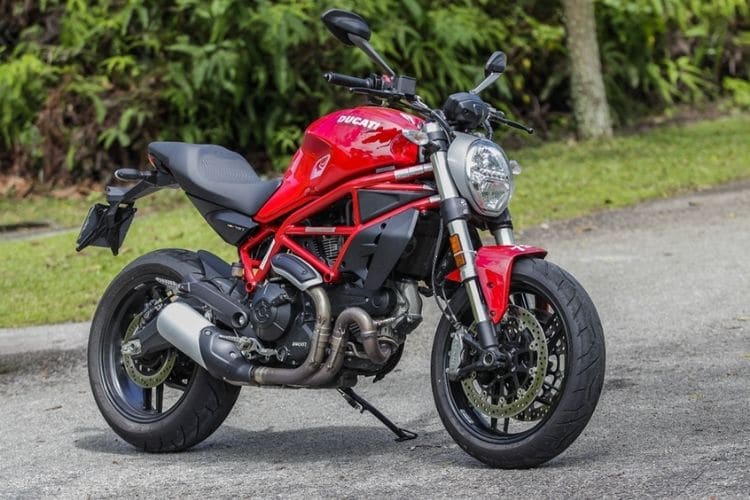
Ducati Monster Years: At-a-glance Reliability
To help you quickly see which years are most risky, here’s a summary table based on owner reports and recall data.
| Model Year | Major Issues | Reliability Score (1–5)* | Best for Beginners? |
|---|---|---|---|
| 2001 | Fuel injection, electrics, tank warping | 2 | No |
| 2002–2004 (S4/S4R) | Timing belts, coolant, gearbox | 2 | No |
| 2008–2009 (696) | Gearbox, clutch slave, electrics | 2.5 | No |
| 2011–2012 (796) | Wheels, ABS, valve wear | 2.5 | No |
| 2014–2016 (1200) | Coolant hoses, dash, quickshifter | 2.5 | No |
| 2017 (797) | Clutch, fasteners, idle | 3 | No |
*Score based on owner reviews, recalls, and repair frequency. 1 = very unreliable, 5 = very reliable.
Why These Years Struggle: Key Causes
Ducati Monster’s problem years often share a few root causes:
- Rushed new technology: Ducati sometimes introduced new tech (like fuel injection or liquid cooling) before it was fully tested in real-world use. Owners became the “beta testers.”
- Supplier problems: Parts like fuel tanks and wheels were sometimes sourced from suppliers who did not meet Ducati’s usual standards.
- Complexity over simplicity: High-performance versions, especially S4 and 1200, use race-style parts that need precise maintenance.
- Missed recalls: Some bikes never had recall work done, leaving dangerous parts in place.
If you’re considering a used Monster from any risk year, always check that all recalls and updates were done.
Which Ducati Monster Years Are Best?
Not every Monster is a risk. Some years are famous for bulletproof reliability and easy ownership. If you want to avoid the problem years, consider these models:
| Model Year | Why It’s Good | Ideal Rider |
|---|---|---|
| 1994–1999 | Simple, air-cooled, easy to fix | Enthusiasts, DIYers |
| 2005–2007 (S2R, S4R later models) | Refined, improved reliability | Experienced riders |
| 2010 Monster 696 | Most early issues fixed | New riders |
| 2013 Monster 796 | Valves improved, fewer faults | All levels |
| 2017+ Monster 1200 | Sorted electronics, strong build | Experienced riders |
| 2021+ Monster | Latest tech, fewer recalls | Modern tech fans |
What To Look For When Buying A Used Ducati Monster
If you’re set on a Monster, even from a risky year, you can still make a smart buy. Here’s what matters most:
- Service history: Always ask for detailed service records. Ducati engines need regular valve and belt service. Missing records? Walk away.
- Recall completion: Use the VIN to check if all recalls were done. Ducati dealers or the NHTSA website can help.
- Signs of abuse: Check for crash damage, worn chains, and leaky fluids.
- Electrical system: Test all lights, switches, and dashboard functions.
- Fuel tank condition: Look for swelling or leaks, especially on 2001–2007 models.
- Test ride: Feel for smooth shifting, steady idle, and no warning lights.
- Independent inspection: Consider a pre-purchase check by a Ducati specialist.
Real-world Example: The 2008 Monster 696 Gearbox Problem
Many Monster fans were excited about the lightweight, stylish 696 in 2008. But some owners found a costly surprise: the gearbox could fail, often with no warning. Broken gear teeth led to expensive repairs, sometimes over $2,000. Ducati improved the gearbox in later years, but early 696s remain a gamble unless they’ve already had the fix.
How Ducati’s Support And Recalls Have Helped
Ducati has a strong history of supporting owners when major flaws are found. For example:
- Rear wheel recall (2011–2012 796): Ducati replaced faulty wheels free of charge.
- Fuel tank fixes (2001–2007): In some markets, Ducati helped replace warped tanks, especially if safety was at risk.
- Coolant hose upgrades (2014–2016 1200): Many bikes got better hoses and clamps under warranty.
However, if a used Monster missed these updates, you could still face the same risks. Always check recall history before buying.
How Ducati Monster Compares To Other Naked Bikes
Is the Monster less reliable than other brands? It depends on the year and how well the bike is maintained. Compared to Japanese naked bikes like the Yamaha MT-07 or Suzuki SV650, Monsters usually need more frequent service but offer a unique riding feel.
Here’s a quick comparison:
| Bike | Service Cost (annual avg.) | Major Recalls? | Reliability (1–5) |
|---|---|---|---|
| Ducati Monster (bad years) | $600–$1,200 | Yes (several) | 2–3 |
| Yamaha MT-07 | $300–$500 | Rare | 4.5 |
| Suzuki SV650 | $350–$550 | Rare | 4 |
While the Monster is more expensive to maintain, many owners feel the style and sound are worth it. But for riders who want low-cost, trouble-free miles, Japanese bikes are often better.
Non-obvious Insights For First-time Ducati Buyers
- Check for ethanol damage: U.S. gasoline often contains ethanol, which can cause Ducati plastic fuel tanks to swell or leak. Always check the tank shape and fit before buying.
- Desmo service is critical: Ducati’s Desmodromic valve system is unique. Skipping valve checks can destroy the engine. Make sure previous owners followed the schedule—receipts are a must.
- Parts availability: For some older Monster years (especially S4R), finding certain parts can be slow or costly. If you plan to do your own repairs, research part prices and wait times.
Should You Ever Buy A Ducati Monster From A “bad Year”?
If you find a great deal on a Monster from a risky year, don’t rush. Ask yourself:
- Has the bike had all recall work and updates?
- Does it come with full service records?
- Was it owned by an experienced enthusiast?
- Has it already had known weak parts replaced?
If you can answer “yes” to all, the risk is lower. But avoid bikes with missing history, many previous owners, or signs of neglect. In most cases, it’s safer and cheaper to buy a Monster from a reliable year.
Final Thoughts
Ducati Monsters are beloved for their style, sound, and spirit. But not every year offers the same ownership experience. Models like the 2001, 2002–2004 S4/S4R, early 696, 796, and first 1200s are best avoided unless you know their history and can handle the extra care they need. For most riders, picking a Monster from a reliable year—especially with a full service history—means more riding and less time in the shop. Remember: a little homework now can save a lot of headaches later.
If you want more details, visit the official Ducati Monster Wikipedia page for a deep dive into all models and history.

Frequently Asked Questions
What Is The Worst Year For The Ducati Monster?
The 2001 Ducati Monster (especially M900, 600, 750) is often seen as the riskiest year due to early fuel injection problems, electrical faults, and fuel tank issues. Early S4 and 696 models also have major problems.
How Can I Tell If A Used Monster Had Recall Work Done?
Ask the seller for service records and check the bike’s VIN with a Ducati dealer or the NHTSA website. Recalls must be done by a dealer, and work is usually recorded.
Is It Expensive To Maintain A Ducati Monster?
Yes, compared to most Japanese bikes, Monster service costs are higher. Expect to pay $600–$1,200 a year, especially for valve and belt service. Skipping maintenance can lead to costly engine damage.
Are Newer Ducati Monsters More Reliable?
Yes. Monsters from 2017 onward and the all-new 2021+ models are more reliable, with better electronics and fewer recalls. Still, regular maintenance is important for any Ducati.
Can A Beginner Safely Own A Ducati Monster?
Some smaller Monsters (like the Monster 797 or 696) are friendly for new riders—but only in reliable years. Avoid early versions with known issues, and always get a full check before buying.
With the right research and a careful eye, your Ducati Monster can be a source of pride, not stress. Happy riding!