
The Honda Civic Si is a favorite among car lovers and everyday drivers. With its sporty looks, fun handling, and reliable engine, it stands out in the compact car world. But not every Civic Si is a perfect buy. Over the years, some models had problems that could cost you time and money.
If you’re thinking about buying a used Civic Si, knowing which years to avoid can save you a lot of trouble. This guide will give you a clear overview, backed by data, expert advice, and real-world experiences. Whether you want a daily driver or a weekend racer, you’ll learn how to make a smart choice.
Why Some Honda Civic Si Years Should Be Avoided
Even reliable brands like Honda can have bad years. Sometimes, changes in design, new technology, or manufacturing issues lead to problems in certain models. For the Civic Si, issues like engine trouble, transmission failures, and electrical glitches have appeared in some years.
These problems can make your driving experience less enjoyable and increase repair costs.
Honda often updates the Civic Si with new generations. Each generation brings new features, but also risks. Early models after big changes are more likely to have problems, since they use new parts and systems. In other years, Honda fixed issues and made the Si more reliable.
Understanding these trends is key when shopping for a used Civic Si.
Common Problems In Bad Civic Si Years
Before listing the years to avoid, it helps to know the main issues. The most reported problems include:
- Engine failures: Some Si models suffer from cracked blocks, oil leaks, or excessive oil consumption.
- Transmission problems: Issues like grinding gears, clutch failure, and faulty synchros are common.
- Electrical faults: Malfunctions with sensors, infotainment, and wiring can cause headaches.
- Premature wear: Parts such as brakes, suspension, and paint can wear out faster than expected.
These problems are often expensive to fix. For example, a failed engine or transmission can cost thousands of dollars to replace. Knowing which years had these issues helps you avoid costly mistakes.
Civic Si Generations And Key Changes
The Civic Si has changed over the years. Here’s a quick look at the main generations and what made each unique:
| Generation | Years | Main Features |
|---|---|---|
| 6th Gen | 1999–2000 | B16A2 engine, lightweight, simple tech |
| 7th Gen | 2002–2005 | EP3 hatchback, K20 engine, new styling |
| 8th Gen | 2006–2011 | Modern design, K20Z3 engine, improved suspension |
| 9th Gen | 2012–2015 | i-VTEC engine, updated interior, new tech |
| 10th Gen | 2017–2020 | Turbo engine, advanced infotainment, sporty looks |
Each generation has strong and weak years. Next, we’ll look at which Civic Si years you should avoid.
Honda Civic Si Years To Avoid
Not every Civic Si is a risky buy. But some years stand out for serious issues. Based on owner reports, expert reviews, and repair data, the following years are best avoided:
2002–2003 Civic Si
The 7th generation Civic Si (EP3) was a big change from earlier models. It came with the K20A3 engine and a new hatchback shape. But the 2002 and 2003 Si models had problems:
- Transmission issues: Owners reported gear grinding and clutch failures. The gearbox often needed repairs before 100,000 miles.
- Electrical faults: Problems with sensors and wiring led to warning lights and poor performance.
- Build quality concerns: The interior materials felt cheap and wore out quickly.
These issues led to low owner satisfaction. While later years of the EP3 improved, 2002–2003 models are best avoided.
2006 Civic Si
The 8th generation Civic Si started strong, but the 2006 model had notable problems:
- Cracked engine blocks: Many owners faced engine failures caused by cracks in the block. Repairs often cost over $3,000.
- Transmission problems: Grinding gears and faulty synchros were common.
- Paint and trim issues: The paint faded early, and trim pieces broke easily.
Honda addressed some problems in later years, but the 2006 Si is risky. If you find a 2006 model, check for engine repairs before buying.
2007–2008 Civic Si
While better than 2006, the 2007 and 2008 Civic Si still had trouble:
- Engine block cracks: The problem continued, though at lower rates.
- Transmission faults: Gearbox issues, especially second gear grinding, remained.
- Premature clutch wear: Many owners needed new clutches before 60,000 miles.
Honda extended warranties for engine cracks in some cases, but repairs were still expensive. Later years fixed these problems.
2012 Civic Si
The 9th generation Civic Si (2012) saw changes in design and tech. But the 2012 Si was not well received:
- Poor interior quality: Cheap materials and weak seats led to complaints.
- Suspension issues: The ride felt rough, and suspension parts wore out early.
- Infotainment glitches: The new system had bugs and was hard to use.
Consumer Reports gave the 2012 Civic low reliability scores. The Si was affected by these problems, making it a year to avoid.
2017 Civic Si
The 10th generation Si introduced a turbo engine and modern features. But the 2017 Civic Si had teething problems:
- Turbo reliability: Some owners reported turbo failures and oil leaks.
- Electrical issues: Infotainment and sensor problems were common.
- Transmission complaints: The new gearbox felt rough and was prone to grinding.
Honda fixed many issues in later years, but the 2017 Si is less reliable.
Comparison: Problem Years Vs Reliable Years
To help you choose wisely, here’s a comparison of Civic Si years based on reliability:
| Year | Common Problems | Owner Satisfaction | Average Repair Cost |
|---|---|---|---|
| 2002–2003 | Transmission, electrical | Low | $2,000+ |
| 2006–2008 | Engine block cracks, transmission | Low-Medium | $3,000+ |
| 2012 | Interior, suspension, infotainment | Low | $1,500+ |
| 2017 | Turbo, electrical, transmission | Medium | $2,500+ |
| 2009–2011 | Few | High | $1,000–$1,500 |
| 2013–2015 | Minor | High | $1,200–$1,700 |
| 2018–2020 | Few | High | $1,000–$1,600 |
Reliable years: 2009–2011, 2013–2015, 2018–2020. These models have fewer issues and lower repair costs.
What Makes A Good Civic Si Year?
Buying a good Civic Si means looking for:
- Strong engine reliability: Models without block cracks or oil leaks.
- Smooth transmission: Gearboxes that shift well and last long.
- Quality materials: Durable interiors, paint, and trim.
- Updated tech: Infotainment and sensors that work well.
Most good Civic Si years have these features. Owners report high satisfaction and fewer trips to the mechanic. The best models are fun to drive and easy to own.

How To Spot A Bad Civic Si Year
If you’re shopping for a used Civic Si, look for warning signs:
- Check recall history: Bad years often have many recalls. Search the VIN for recall info.
- Ask for maintenance records: A car with many repairs could be from a problem year.
- Look for online reviews: Owner forums and expert sites highlight common problems.
- Inspect the engine and transmission: Listen for odd noises, check for leaks, and test the clutch.
- Test electronics: Try the infotainment, sensors, and lights to spot electrical issues.
Using these tips, you can avoid buying a Civic Si from a bad year.
Buyer Mistakes To Avoid
Many buyers make mistakes when choosing a used Civic Si. Here are the most common:
- Ignoring model year differences: Not all Si models are the same. Research each year.
- Skipping a test drive: Always drive the car to spot issues.
- Trusting seller claims: Don’t rely on “just serviced” or “no problems” without proof.
- Buying without inspection: Pay for a mechanic to check the car, even if it looks good.
These mistakes can lead to buying a car with hidden problems. Take your time and do your homework.
Real-world Owner Experiences
Hearing from real Civic Si owners gives valuable insight. Many report that:
- 2006–2008 Si owners often had engine repairs, with some getting free replacements after warranty extensions.
- 2012 Si buyers complained about rough rides and cheap interiors, but some liked the updated tech.
- 2017 Si drivers found the turbo engine fun but had issues with oil leaks and electrical bugs.
On the other hand, owners of 2013–2015 and 2018–2020 models praise their cars for reliability and low maintenance costs. These stories show the importance of picking the right year.
Expert Advice For Buying A Used Civic Si
As someone who has helped many buyers find the right Civic Si, here’s my advice:
- Focus on reliable years: The safest bets are 2009–2011, 2013–2015, and 2018–2020.
- Avoid early turbo models: The first year of new engines often has issues. Wait for later years.
- Check for extended warranties: Some bad years had Honda warranty extensions for engine cracks.
- Look for one-owner cars: Owners who kept their cars often took better care of them.
- Ask about modifications: Many Si cars are modified. Make sure upgrades were done right.
Don’t rush your purchase. Find a car with good records, a solid reputation, and a clean history.
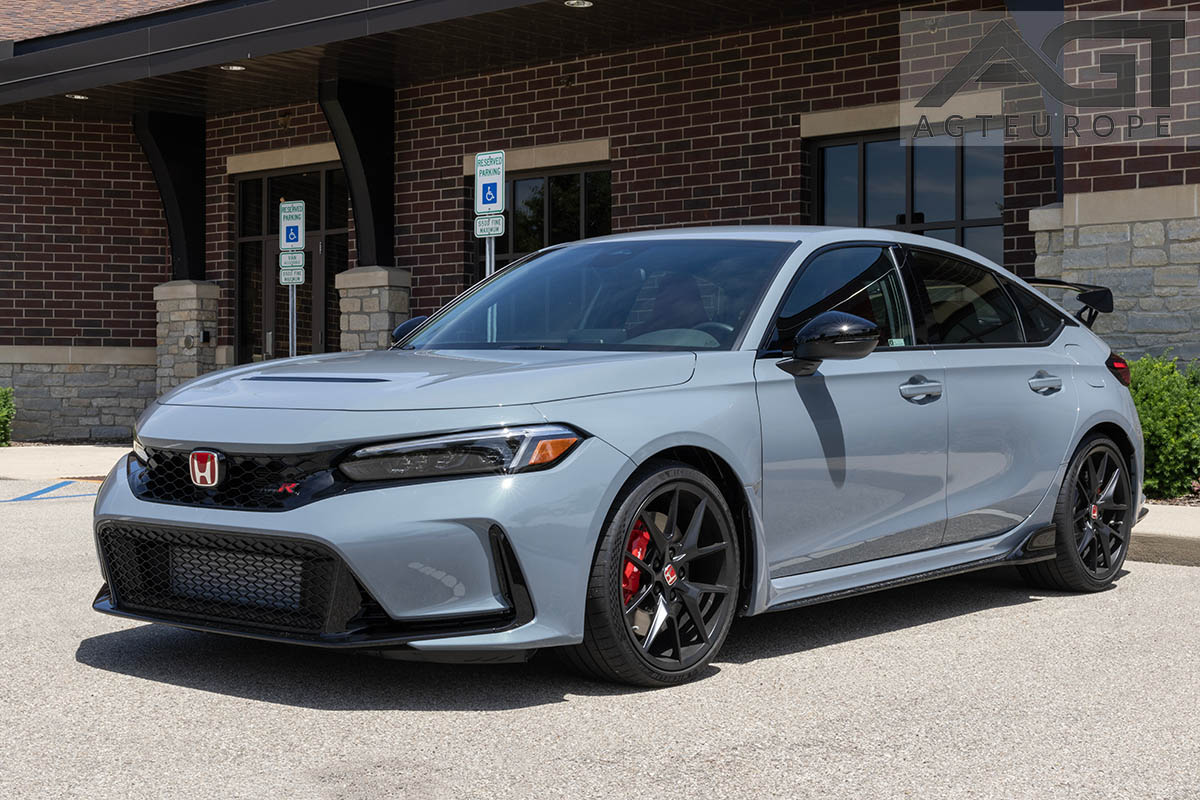
Honda Civic Si Model Year Summary Table
For a quick overview, here’s a summary of Si model years, showing which to avoid and which are safe:
| Model Year | Avoid/Buy | Main Issue | Notes |
|---|---|---|---|
| 2002–2003 | Avoid | Transmission, electrical | EP3 hatchback, early problems |
| 2006–2008 | Avoid | Engine block cracks, transmission | 8th Gen, engine warranty extended |
| 2012 | Avoid | Interior, suspension | 9th Gen, poor reviews |
| 2017 | Avoid | Turbo, electrical | 10th Gen, early turbo issues |
| 2009–2011 | Buy | Minor | 8th Gen, reliable |
| 2013–2015 | Buy | Minor | 9th Gen, improved quality |
| 2018–2020 | Buy | Minor | 10th Gen, fixed earlier issues |
This table makes it easy to see which years are safe and which to avoid.
Non-obvious Insights For Buyers
Most guides focus on major issues, but there are a few lesser-known tips:
- Check for rust in northern states: Some bad years had weak paint and rust protection. Cars from snowy areas can rust faster.
- Infotainment updates matter: Later models often got software updates that fixed bugs. Ask if the owner updated the system.
- Parts availability can be limited: Some bad years had unique parts that are hard to find. Repairs can take longer and cost more.
- Insurance rates vary: Problem years with higher repair costs can also mean higher insurance premiums.
These insights can help you avoid hidden costs and headaches.

Maintenance Costs And Long-term Value
A big reason to avoid certain Civic Si years is maintenance cost. Bad years often need expensive repairs. For example:
- 2006–2008 engine block repair: $3,000–$4,000
- 2017 turbo replacement: $2,500–$3,500
- 2012 suspension fix: $1,500–$2,000
Reliable years usually need only basic maintenance. Over five years, a good Civic Si can save you $4,000 or more compared to a bad year. This makes a big difference for your budget.
Where To Find Reliable Civic Si Models
If you want to buy a reliable Civic Si, check these sources:
- Certified pre-owned dealers: Offer warranties and inspections.
- Owner forums: Often list well-maintained cars from enthusiasts.
- Online marketplaces: Sites like Autotrader and Cars.com let you filter by year and features.
- Local classifieds: Sometimes you find one-owner cars with full records.
Always check the car’s history and ask for inspection before buying.
Final Thoughts: Making The Smart Civic Si Choice
The Honda Civic Si is a great car, but picking the right year is crucial. Some years had serious problems that can make your ownership stressful and expensive. By avoiding 2002–2003, 2006–2008, 2012, and 2017 models, you can reduce risk and enjoy a fun, reliable ride.
Look for models from 2009–2011, 2013–2015, or 2018–2020 for the best mix of performance and dependability. Take your time, check the details, and you’ll find a Civic Si that brings you joy for years.
For more detailed repair statistics and owner feedback, visit the official Honda site or trusted sources like Consumer Reports.
Frequently Asked Questions
What Are The Worst Honda Civic Si Years?
The 2002–2003, 2006–2008, 2012, and 2017 Civic Si models are considered the worst due to engine, transmission, electrical, and interior problems. These years had more recalls and higher repair costs.
How Do I Check If A Civic Si Had Engine Block Issues?
Ask the seller for maintenance records, and check if the car had engine repairs or recalls. Look for signs of leaks and listen for unusual noises. You can also search the VIN for recall history.
Are Modified Civic Si Cars Riskier To Buy?
Yes, many Si models are modified. If upgrades were not done correctly, they can cause reliability problems. Always ask about modifications, and have a mechanic check the car.
Is It Worth Buying A 2012 Civic Si?
The 2012 Civic Si is not recommended. It had poor interior quality, rough suspension, and infotainment issues. Later years improved on these problems.
Which Civic Si Years Are The Most Reliable?
The 2009–2011, 2013–2015, and 2018–2020 Civic Si models are the most reliable. They have fewer reported problems and lower repair costs, making them good choices for buyers.