
Buying a used vehicle is one of the most important decisions many people make. If you are considering a Land Rover LR3, you might have heard that some model years are better than others. The LR3 (known as the Discovery 3 in some markets) is famous for its off-road ability and luxury features. But not all years offer the same reliability and ownership experience. Choosing the wrong year can lead to expensive problems, frustration, and regret.
This article will guide you through the LR3 years to avoid, explaining why certain models stand out for the wrong reasons. You will learn about common issues, what to look for, and how to make a better choice. We will compare different years, dig into real-world data, and offer advice for buyers who want the adventure and comfort of an LR3—without the pain.
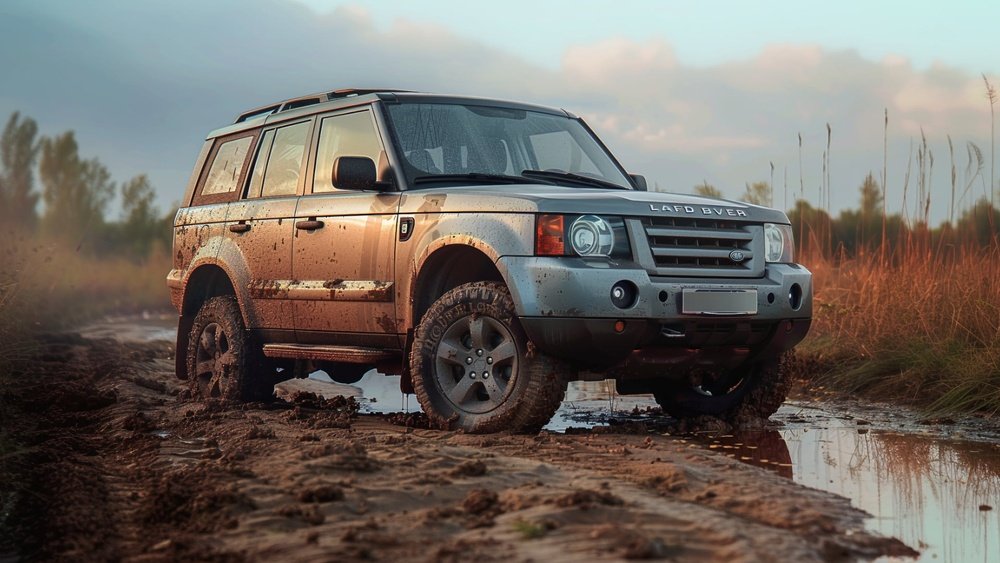
Understanding The Land Rover Lr3
The LR3 was produced from 2005 to 2009, replacing the Discovery II. It was a big leap forward, with a new chassis, more powerful engines, and advanced suspension. Inside, it featured seating for up to seven, high-quality materials, and the latest technology for its time.
However, the LR3 also earned a reputation for mechanical complexity and maintenance costs. While some owners enjoy years of trouble-free driving, others deal with repeated repairs and high bills. This gap is why model year matters so much. Let’s look at the years you should be cautious about.
The Three Lr3 Years To Avoid
Some years of the LR3 are known for more frequent and serious problems. Based on owner reports, mechanic surveys, and industry data, these are the three LR3 years to avoid:
1. 2005 Land Rover Lr3
The 2005 LR3 was the first model year for this generation. While it introduced many new features, it also came with significant teething problems.
Common Issues
- Air Suspension Failures: The 2005 model’s air suspension system often fails, leading to a “sagging” ride or the vehicle stuck in lowered mode. Repairs can cost $1,000 to $4,000.
- Electrical Gremlins: Owners report dashboard warning lights, non-working windows, and random error messages due to faulty wiring and weak modules.
- Transmission Troubles: The 6-speed automatic can suffer from rough shifting, hesitation, or even failure, sometimes before 100,000 miles.
- Cooling System Leaks: Hoses and radiators are prone to leaks, causing overheating and potential engine damage.
Why 2005 Is Risky
Being the first year, the 2005 LR3 didn’t benefit from improvements based on real-world feedback. Land Rover updated many components in later years, so the 2005 model is more likely to have original design flaws. Even careful owners often faced expensive repairs.
Owner Experience Example
One owner reported replacing the air compressor three times in the first five years. Another had repeated issues with dashboard lights and sensors, costing over $5,000 in repairs.
2. 2006 Land Rover Lr3
The 2006 LR3 continued many of the problems from 2005. Some updates were made, but not enough to solve the main issues.
Common Issues
- Persistent Suspension Problems: Air suspension failures were still widespread. The system’s reliability improved only in later years.
- Timing Chain Tensioner Wear: The V8 engine’s timing chain tensioners can wear out, causing engine noise and possible catastrophic failure if not fixed early.
- Electric Parking Brake Faults: The electronic parking brake can seize or fail, often requiring a full replacement.
- Sunroof Leaks: Water leaks from the sunroof drains into the cabin, leading to mold, electrical shorts, and interior damage.
Why 2006 Is Risky
Many parts were unchanged from the 2005 model. Some owners report fewer issues, but the risk remains high. The 2006 LR3 is often less expensive than later years, but the lower price can be wiped out by repair bills.
Non-obvious Insight
A hidden issue is that early 2006 models sometimes had leftover 2005 parts, which means they can suffer from the same flaws as the first-year model.
3. 2007 Land Rover Lr3
While the 2007 LR3 saw some improvements, it still lands on the list of years to avoid—mainly because of engine problems and lingering suspension issues.
Common Issues
- Timing Chain and Engine Failures: The V8’s timing chain problem continued. If the tensioner fails, it can lead to engine damage that costs over $8,000 to fix.
- Electronic Module Failures: The vehicle’s many computers (for suspension, transmission, etc.) Are still prone to glitches and expensive replacements.
- Premature Brake Wear: Owners report replacing brakes every 20,000–30,000 miles, adding to maintenance costs.
- Air Suspension Issues: While less common than 2005–2006, suspension problems still occur, especially as vehicles age.
Why 2007 Is Risky
By 2007, some reliability improvements were made, but not enough. Many vehicles on the market have high miles and may not have had these expensive repairs done yet. This increases the risk for new buyers.
Example
A 2007 LR3 owner shared that their timing chain tensioner failed at 95,000 miles, leading to engine replacement. Another reported spending over $3,000 on module repairs in two years.
Comparing Lr3 Years: Which Years Are Better?
Not all LR3s are equal. Some years are considered more reliable and less expensive to own. Let’s compare the problem years to the better years.
| Model Year | Main Problems | Average Repair Cost (Yearly) | Reliability Rating (1-5) |
|---|---|---|---|
| 2005 | Suspension, electrical, transmission | $1,800 | 2.0 |
| 2006 | Suspension, engine, sunroof | $1,700 | 2.2 |
| 2007 | Engine, electronics, brakes | $1,600 | 2.3 |
| 2008 | Minor suspension, normal wear | $1,200 | 3.1 |
| 2009 | Fewest issues, improved reliability | $1,000 | 3.6 |
As the table shows, 2008 and 2009 models are generally better choices. They have fewer severe problems, lower average annual repair costs, and higher reliability ratings.
Why Do These Years Have More Problems?
The main reason the 2005, 2006, and 2007 LR3s are best avoided is early production issues. Land Rover made many changes to the LR3’s design and parts during the first few years. As real-world problems appeared, the company updated or replaced components—especially the air suspension, electronics, and engine timing systems.
By 2008 and 2009, most common flaws were either fixed or less frequent. These later models also benefit from owner knowledge—people learned how to maintain them better and which repairs to expect.
Key Problem Areas In Lr3 Years To Avoid
Let’s dig deeper into what makes the 2005–2007 LR3s so challenging. These issues are not just “inconveniences”—they can turn into expensive repairs and breakdowns.
Air Suspension System
The air suspension gives the LR3 its smooth ride and off-road ability. But in early years, the system is known for:
- Compressor Failure: The air compressor can wear out, leading to a “suspension fault” warning and loss of height control.
- Leaking Airbags: The rubber air springs can leak, causing the car to sit low or uneven.
- Sensor Malfunctions: Height sensors fail, confusing the system and causing ride height errors.
Electrical System
The LR3 has complex electronics for its time. Common electrical issues include:
- Random Warning Lights: Dashboard lights for brakes, suspension, or transmission that appear for no clear reason.
- Faulty ECUs: Electronic control units (computers) fail, affecting many systems at once.
- Wiring Issues: Poor connections and corroded wires lead to shorts and unreliable operation.
Engine And Drivetrain
The V8 engine, while powerful, has its own weak points:
- Timing Chain Tensioner Failure: If the tensioner wears out, the timing chain can slip and destroy the engine.
- Transmission Problems: Rough shifting, slipping, or complete failure can occur, sometimes without warning.
- Leaking Gaskets: Valve cover gaskets and oil pan gaskets tend to leak, causing oil loss.
Other Notable Issues
- Parking Brake Problems: The electronic parking brake can lock up or fail to engage.
- Sunroof and Water Leaks: Sunroof drains clog, causing water to enter the cabin and damage electronics.
- Premature Brake Wear: Brakes wear out quickly, adding to maintenance costs.
Real-world Owner Data
Thousands of LR3 owners have shared their experiences online and with agencies like J.D. Power and the National Highway Traffic Safety Administration (NHTSA). Here are some numbers to consider:
- NHTSA Complaints (2005–2007): Over 400 reports for suspension and electrical problems.
- Average Annual Repair Visits (2005–2007): 2.6 visits per year, compared to 1.4 for 2008–2009.
- Most Common Repair (2005–2006): Air suspension compressor replacement, costing $1,200–$1,800.
- Engine Failure Rate (2007): Estimated at 3–5% by 120,000 miles, mainly due to timing chain problems.
You can find more details and owner stories at the NHTSA official website.
How To Identify Problem Lr3 Years When Buying Used
If you are shopping for an LR3, it is important to identify risky years and spot red flags. Here’s how:
- Check the VIN: The 10th digit of the VIN shows the model year. B = 2005, 6 = 2006, 7 = 2007, 8 = 2008, 9 = 2009.
- Ask for Service History: Insist on records of major repairs, including air suspension, timing chain, and electronic modules.
- Inspect the Suspension: Walk around the car. If it sits low or uneven, the air suspension may be failing.
- Test All Electronics: Try windows, sunroof, and all dashboard features. Any glitches could mean deeper electrical issues.
- Listen for Engine Noise: Rattling or knocking, especially at startup, may signal timing chain trouble.
- Check for Water Damage: Look for stains or musty smells inside, which can be signs of sunroof leaks.
Common Buyer Mistakes
Avoid these errors when looking for a used LR3:
- Ignoring Early Model Years: Some buyers go for the lowest price, not realizing 2005–2007 models have higher long-term costs.
- Skipping Pre-Purchase Inspection: Failing to have a mechanic check the vehicle can lead to expensive surprises.
- Trusting Appearance Over Records: A clean interior does not mean a trouble-free car. Service history is more important.
- Assuming All LR3s Are the Same: Later years are often better—do not assume all LR3s share the same issues.
Maintenance Tips For Lr3 Owners
If you already own a 2005–2007 LR3 or decide to buy one, here are some tips to reduce headaches:
- Replace Air Suspension Parts Proactively: If the compressor or airbags are original, consider replacing them before failure.
- Keep Up With Oil Changes: Fresh oil can help the timing chain tensioner last longer.
- Watch for Warning Lights: Never ignore dashboard warnings; get them checked as soon as possible.
- Use High-Quality Parts: Cheap replacement parts often fail quickly, especially in the suspension and electronics.
- Find a Specialist Mechanic: Not all shops understand the LR3’s unique systems. Look for a Land Rover expert.
How The Lr3 Compares To Other Used Suvs
If you are open to other vehicles, here is a comparison of the LR3 (all years) with two competitors: the Toyota 4Runner and the Jeep Grand Cherokee.
| Vehicle | Reliability (1-5) | Annual Repair Cost | Off-Road Ability | Comfort & Features |
|---|---|---|---|---|
| Land Rover LR3 | 2.5 | $1,500 | Excellent | High |
| Toyota 4Runner (2005-2009) | 4.4 | $450 | Very Good | Moderate |
| Jeep Grand Cherokee (2005-2009) | 3.2 | $700 | Good | Moderate |
The LR3 offers better luxury and off-road features, but reliability and cost of ownership are much better for the Toyota 4Runner.
Should You Avoid All Early Lr3s?
Not every early LR3 is a problem. Some owners report no serious issues, especially if the vehicle was maintained well and had repairs done early. But the risk is much higher compared to later years. If you are set on a 2005–2007 LR3, pay extra attention to maintenance records and get a full mechanical inspection.
Non-obvious Insights For Buyers
- Resale Value Drops Fast: Early LR3s lose value quickly if major repairs are needed, making them a risky investment.
- Aftermarket Air Suspension Kits: Some owners replace the air system with coil springs for better reliability, but this can reduce ride comfort and lower resale value.
- Dealer Warranties Rarely Cover Key Issues: Most used car warranties do not cover the air suspension or timing chain tensioner, so do not rely on them for peace of mind.
Frequently Asked Questions
What Is The Worst Year For The Land Rover Lr3?
The 2005 LR3 is widely considered the worst year due to air suspension failures, electrical problems, and transmission issues. It was the first year of production, so many design flaws had not been fixed yet.
Are Later Lr3 Models Reliable?
The 2008 and 2009 LR3s are more reliable than earlier years. Most common issues were addressed by then, and repair costs tend to be lower. However, all LR3s require careful maintenance.
How Much Does It Cost To Fix Lr3 Air Suspension?
Repairing the air suspension can cost between $1,000 and $4,000 depending on whether you need to replace just the compressor, the airbags, or the whole system.
Is The Lr3 Expensive To Maintain?
Yes, the LR3 is expensive to maintain compared to other SUVs. Annual repair costs are often $1,500 or more, especially for the 2005–2007 models.
Can I Replace The Lr3 Air Suspension With Regular Springs?
Yes, some owners install coil spring conversion kits to avoid air suspension problems. This can improve reliability but may reduce ride comfort and off-road performance.
Buying an LR3 is not for everyone. If you want the experience and features, choose a 2008 or 2009 model for better reliability. If you are considering a 2005–2007 LR3, understand the risks and prepare for higher repair costs. Careful research and a trusted mechanic can help you enjoy the adventure without the common headaches.