
If you’re thinking about buying a used Chevy Silverado or GMC Sierra with a Duramax diesel engine, you’ve probably heard a lot about the LLY Duramax. Known for its power and reputation, the LLY was an important chapter in Duramax engine history. But not every LLY is trouble-free. Some model years are best avoided if you want to save on repairs and headaches down the road. In this guide, we’ll break down which LLY Duramax years to avoid, why they’re problematic, and how you can make a smart buying decision.
Whether you’re a first-time diesel truck buyer or a seasoned owner, understanding the common issues and pitfalls of specific LLY years can save you thousands of dollars. You’ll learn what to look out for, which years are safest, and how to spot a good deal.
Let’s dig into the facts so you can feel confident about your next Duramax purchase.
What Is The Lly Duramax?
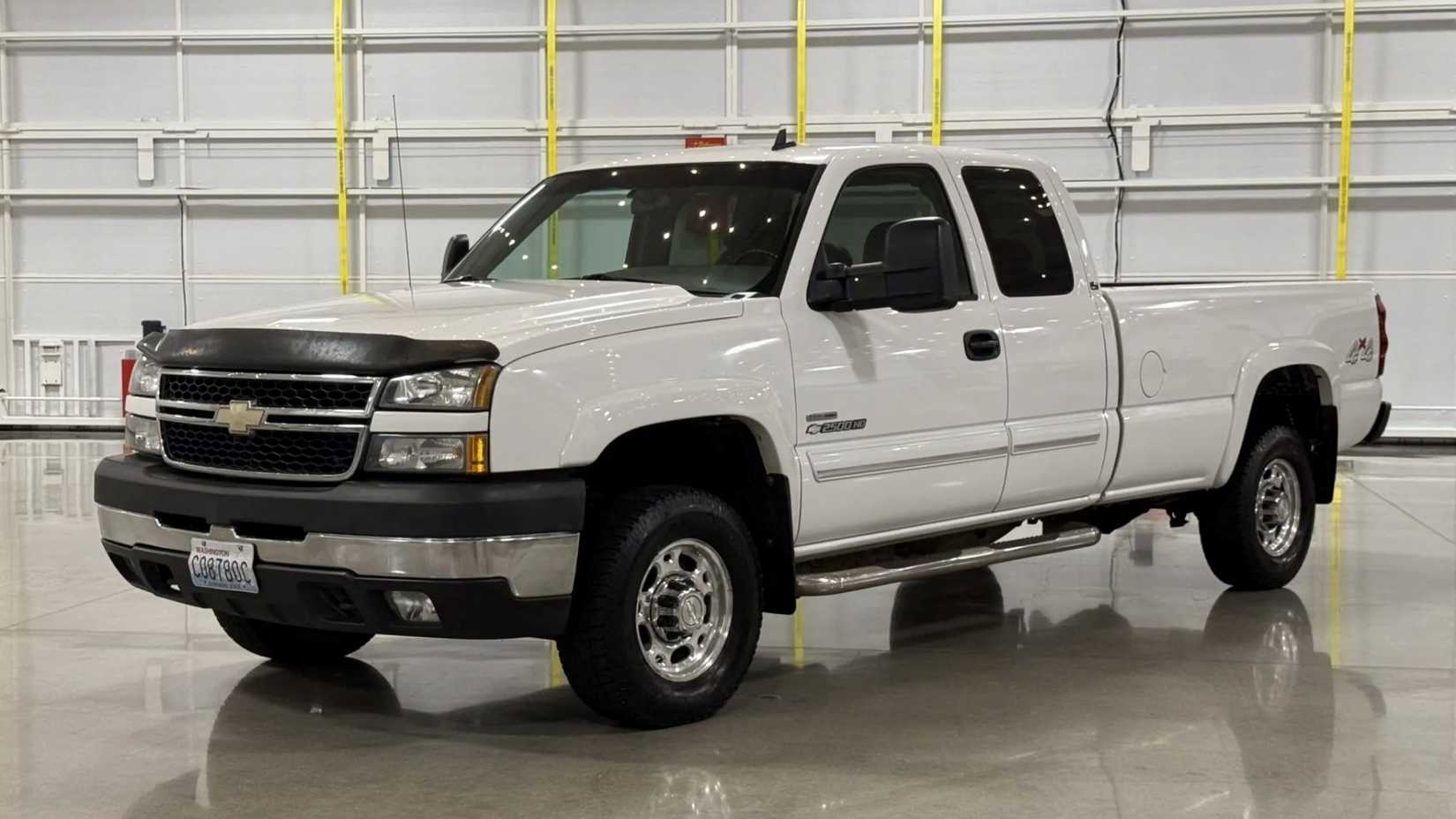
The LLY Duramax is a 6.6-liter V8 diesel engine produced by General Motors and Isuzu. It was introduced in 2004 as the successor to the LB7 Duramax and was used until mid-2006, when the LBZ took over. The LLY was installed in popular models like the Chevrolet Silverado 2500HD/3500HD and GMC Sierra 2500HD/3500HD.
The LLY brought several upgrades over previous Duramax engines, including a new turbo design, improved emissions controls, and better fuel injection technology. It was marketed as a more reliable and cleaner diesel, but as with any major redesign, it came with its own set of challenges.
Why Focus On Lly Duramax Years To Avoid?
Not all LLY engines are created equal. Some years and builds have well-known design flaws and recurring problems that can lead to expensive repairs. Buying one of these trouble-prone trucks can mean more time in the shop and less time on the road. While the LLY is generally a solid engine, a few specific years stand out as risky, especially for those who want reliability without constant maintenance.
Key Lly Duramax Years To Avoid
If you want to avoid major headaches, pay close attention to these specific LLY Duramax years:
| Model Year | Main Issues | Estimated Repair Cost |
|---|---|---|
| 2004.5 (Early LLY) | Overheating, injector harness failure, head gasket problems | $2,000 – $6,000+ |
| 2005 | Overheating, turbo mouthpiece restrictions, EGR valve issues | $1,500 – $5,500+ |
| Early 2006 | Similar to 2005, plus glow plug module faults | $1,800 – $5,000+ |
Why These Years?
- 2004.5 LLY Duramax: This first wave of LLY engines (built after January 2004) suffered from growing pains. New emissions equipment and design changes led to overheating, especially while towing in warm climates. Injector wiring harnesses were also prone to failure.
- 2005 LLY Duramax: Reliability improved only slightly. Overheating was still a major concern, and many owners reported issues with the turbo inlet and EGR valve. The infamous “limp mode” was common if the engine sensed overheating or air restriction.
- Early 2006 LLY Duramax: Some trucks built in early 2006 (before the LBZ fully replaced the LLY) continued to have the same overheating and EGR problems. Glow plug module failures also became more common, making starting difficult in cold weather.
The Most Common Lly Duramax Problems Explained
Understanding the typical problems of these years is key to making a smart buy. Here’s what you need to know:
Overheating Issues
Overheating is the most widely reported problem with the LLY, especially the 2004.5 and 2005 models. The main causes are:
- Restrictive Turbo Mouthpiece: The original mouthpiece restricts airflow, causing high exhaust gas temperatures.
- Radiator Design Flaws: Early LLY radiators are too small for heavy towing or hot weather.
- Head Gasket Weakness: Overheating can warp the heads and blow the gasket, leading to expensive repairs.
Most owners notice the temperature gauge climbing while towing uphill or in hot climates. If ignored, this can cause catastrophic engine damage.
Injector Harness Failure
The LLY uses a different injector harness than the LB7. The harness can rub against engine components, leading to shorts or broken wires. Symptoms include rough running, misfires, or a “limp mode” where the engine loses power.
Egr Valve And Emissions Problems
The Exhaust Gas Recirculation (EGR) valve helps reduce emissions but can clog with soot over time. This leads to rough idling, poor acceleration, and more frequent “check engine” lights.
Glow Plug Module Faults
In cold climates, the LLY’s glow plug module can fail, making it hard or impossible to start the truck. While not as expensive to fix as overheating, it’s a common annoyance for 2006 models.
Turbo Inlet And Boost Loss
The restrictive turbo inlet not only causes overheating but also limits engine performance. Aftermarket upgrades are common, but factory parts in 2004. 5–2005 models can choke the engine under heavy load.
Lly Duramax Years With Fewer Problems
Not every LLY is a risk. Some late 2006 models, especially those built after July 2006 with LBZ upgrades, are more reliable. By this time, GM had addressed several key problems:
- Improved head gaskets and fasteners
- Better radiator design
- Redesigned turbo mouthpiece
If you’re set on an LLY, look for these later builds. They offer most of the power and features without the same risk of overheating and electrical problems.
Lly Duramax Vs. Other Duramax Generations
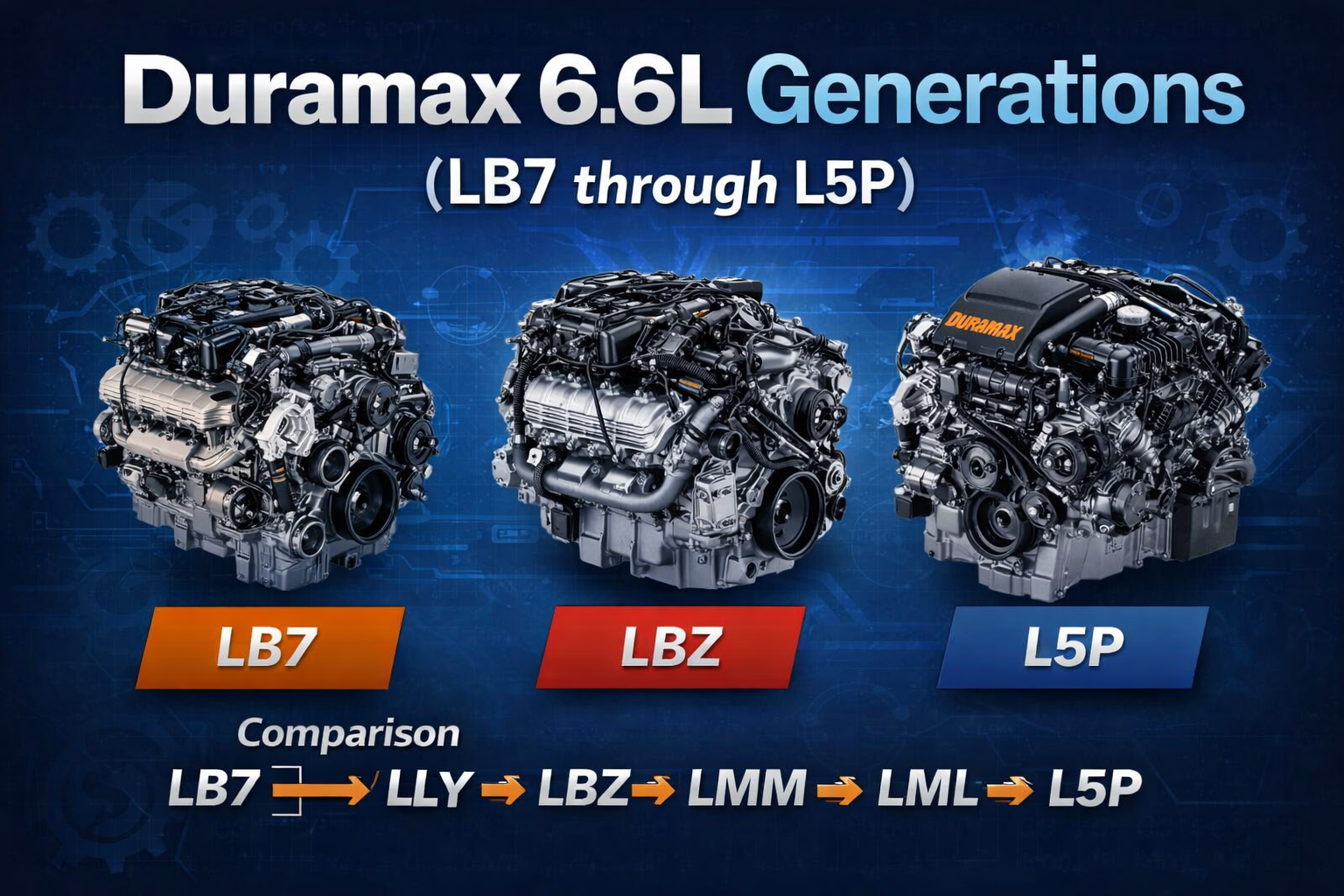
If you’re open to other Duramax engines, you’ll want to compare the LLY to the LB7 and LBZ. Here’s how they stack up:
| Engine | Years Produced | Common Issues | Best For |
|---|---|---|---|
| LB7 | 2001–2004 | Injector failures, no EGR | Simple design, easy to work on |
| LLY | 2004.5–2006 | Overheating, EGR issues | Mid-power, moderate emissions |
| LBZ | 2006–2007 | Few major issues, strong power | Best reliability, tunable |
Many diesel enthusiasts agree that the LBZ Duramax (late 2006–2007) is the sweet spot for power, reliability, and ease of tuning. The LLY can be a good choice if you find a well-maintained, late-production example, but the LBZ is often the safer bet.
Signs Of A Problematic Lly Duramax
If you’re considering a used LLY Duramax, watch for these warning signs before you buy:
- High Engine Temperatures While Idling or Towing: This suggests ongoing overheating issues.
- Check Engine Light: Especially if related to injectors, EGR, or glow plug circuits.
- White Smoke from Exhaust: Could mean a blown head gasket.
- Hard Starting in Cold Weather: Possible glow plug module failure.
- Low Power or “Limp Mode”: The truck suddenly loses power, often due to air restriction or electrical faults.
Always ask for maintenance records and, if possible, get a pre-purchase inspection from a mechanic who knows Duramax engines.
How To Avoid Lly Duramax Problems
If you still want an LLY Duramax, there are smart ways to reduce your risk:
- Look for Service History: Trucks with regular coolant flushes, injector replacements, and EGR cleanings are safer bets.
- Upgrade Key Parts: If the turbo mouthpiece and radiator haven’t been upgraded, budget for this repair.
- Buy from a Cool Climate: Trucks used in mild climates have less overheating risk.
- Avoid High-Mileage Fleet Trucks: These often have deferred maintenance and are more likely to develop big problems.
A well-kept LLY can be a reliable workhorse, but you must know what you’re getting into.
Cost Of Fixing Lly Duramax Problems
Repair costs can add up quickly. Here’s a look at what you might pay for common LLY fixes:
| Problem | Typical Cost Range | Notes |
|---|---|---|
| Head Gasket Replacement | $3,000–$6,000 | Labor-intensive; can be higher at dealerships |
| Turbo Mouthpiece Upgrade | $200–$500 | Helps prevent overheating, easy DIY |
| Injector Harness Repair | $300–$800 | Wiring repair or replacement |
| EGR Valve Cleaning/Replacement | $400–$1,200 | Frequent need in city-driven trucks |
| Glow Plug Module | $150–$500 | Simple part, but labor can add up |
One non-obvious insight: Many owners underestimate how much labor drives up repair costs. Even a $200 part can cost $1,000+ once you add shop time, especially for head gaskets or injectors.
Owner Experiences: What Real Drivers Say
LLY Duramax owners have mixed opinions about their trucks. Some report 300,000+ miles with basic maintenance, while others face repeated repairs before 150,000 miles. The biggest dividing line? How well the truck was maintained and whether key upgrades were made.
- Owners who replace the turbo mouthpiece and flush the cooling system regularly see far fewer overheating issues.
- Fleet and farm trucks, which often have harder use and delayed maintenance, are far more likely to suffer early failures.
Another insight: Many buyers focus only on engine problems. But electrical issues—like injector harness failures—can be just as expensive to fix and harder to spot. Always test drive and inspect carefully.
How To Spot An Lly With Upgrades
A smart LLY Duramax purchase often means finding a truck with the right upgrades. Here’s what to look for:
- Aftermarket Turbo Mouthpiece: Usually aluminum or silicone, larger than stock.
- Upgraded Radiator: Thicker, with better cooling capacity.
- Fresh Head Gaskets: Ask for receipts or proof of professional installation.
- EGR Delete Kits: Sometimes installed to avoid valve problems (check local emissions laws).
A truck with these upgrades is less likely to have the classic LLY problems and may be worth a higher price.
When Is It Safe To Buy An Lly Duramax?
Consider buying an LLY if:
- The truck has full maintenance records showing regular coolant and EGR service.
- The turbo inlet and radiator have been upgraded.
- The price reflects any remaining risk (don’t overpay for a truck with no upgrades).
- You’re comfortable with basic diesel maintenance or have a trusted mechanic.
If the truck has no records, hasn’t been upgraded, or shows signs of overheating, it’s best to walk away.
Comparing Lly Duramax To Competition
The LLY Duramax isn’t the only diesel in the mid-2000s market. Here’s how it compares to its main rivals:
| Engine | Years | Known Issues | Why Pick It? |
|---|---|---|---|
| LLY Duramax | 2004.5–2006 | Overheating, EGR | Good power, decent emissions |
| 6.0L Powerstroke (Ford) | 2003–2007 | EGR, head bolts, oil cooler | Cheap, but known for problems |
| 5.9L Cummins (Dodge) | 2003–2007 | Lift pump, automatic trans | Simple, reliable, easy to tune |
The LLY often offers a better balance of power and emissions than the Ford 6. 0L, but the Dodge Cummins is often more reliable in high-mileage situations. Each has its own strengths and weaknesses.
Common Mistakes When Buying An Lly Duramax
Avoid these errors if you want to dodge the most common pitfalls:
- Ignoring Service Records: If the seller can’t show maintenance history, assume the worst.
- Not Checking Engine Temps on Test Drive: Always drive long enough to see if the truck overheats, especially under load.
- Overlooking Electrical Issues: A check engine light or electrical code can mean expensive harness repairs.
- Paying Top Dollar for a Stock Truck: If the turbo mouthpiece or radiator is original, budget for upgrades—or negotiate the price down.
- Forgetting About Emissions Laws: Some EGR or emissions deletes are illegal in certain states. Check your local rules before buying.
Tips For First-time Diesel Buyers
If you’re new to diesel trucks and the LLY Duramax, keep these practical tips in mind:
- Diesel engines need more preventive maintenance. Oil changes, coolant flushes, and filter changes are critical.
- Test drive with a heavy load if possible. This reveals overheating or power loss that won’t show up in city driving.
- Join an owner’s forum. Communities like DuramaxForum or TheDieselPage offer real-world advice, troubleshooting, and buyer guides.
- Get a pre-purchase inspection from a mechanic who knows Duramax engines.
Final Advice On Lly Duramax Years To Avoid
The LLY Duramax is a good diesel engine with a few serious weak points. If you stick to late-2006 models, or only buy an earlier truck with the right upgrades and a solid maintenance history, you can enjoy strong performance for years.
But 2004. 5 and 2005 models—especially those with no service records or original parts—are best left alone unless you’re ready for repairs. Always research, inspect, and test before buying.
For more technical details and maintenance advice, you can visit the official GM website.
Frequently Asked Questions
Is The Lly Duramax A Bad Engine?
No, the LLY Duramax is not a bad engine overall. However, early models (2004.5–2005) have known issues with overheating, EGR valves, and injector wiring. With the right upgrades and maintenance, it can be reliable, but some years are more trouble-prone.
How Can I Tell If An Lly Duramax Has Overheating Problems?
Watch the coolant temperature gauge during a long test drive, especially when towing or climbing hills. If temperatures rise above normal or you notice steam or coolant loss, the truck may have an overheating issue. Always inspect for aftermarket cooling upgrades.
What’s The Best Year For The Lly Duramax?
Late 2006 LLY models, especially those built after July 2006, are considered the best. They benefit from improved head gaskets, radiators, and other updates. If possible, choose a truck with a full service history and proven upgrades.
Are Lly Duramax Trucks Expensive To Repair?
They can be. Major repairs like head gaskets or injectors can cost $3,000–$6,000 or more. Smaller repairs, like EGR cleaning or glow plug replacement, are less expensive but still add up. Labor costs are a big factor, so consider this before buying.
Should I Buy A Used Lly Duramax?
Only buy a used LLY Duramax if it has a solid maintenance history and key upgrades (like the turbo mouthpiece and radiator). Avoid trucks with signs of overheating, electrical issues, or missing records. When in doubt, consider the LBZ Duramax for better reliability.
Choosing the right LLY Duramax can mean years of reliable service or months of repair bills. Take your time, do your homework, and don’t be afraid to walk away from a risky deal. A little patience now can save you thousands later.