
The Chevy Aveo has long been a familiar sight on city streets, known for its compact size, affordability, and simple design. Introduced in the early 2000s, the Aveo was marketed as a budget-friendly entry point for drivers seeking a reliable vehicle without the high price tag. But like many affordable cars, not all model years delivered the same quality or satisfaction. If you’re considering a used Aveo, knowing which years to avoid could save you from expensive repairs and frustration. This article dives deep into the Chevy Aveo’s history, highlights the problematic years, and offers practical advice for anyone thinking of buying one.
Understanding The Chevy Aveo
The Chevy Aveo was first launched in the United States in 2004, built by the South Korean company Daewoo and rebranded as a Chevrolet. The car targeted students, young professionals, and families needing an affordable second car. With its small size and fuel efficiency, it quickly found its place in the budget car market.
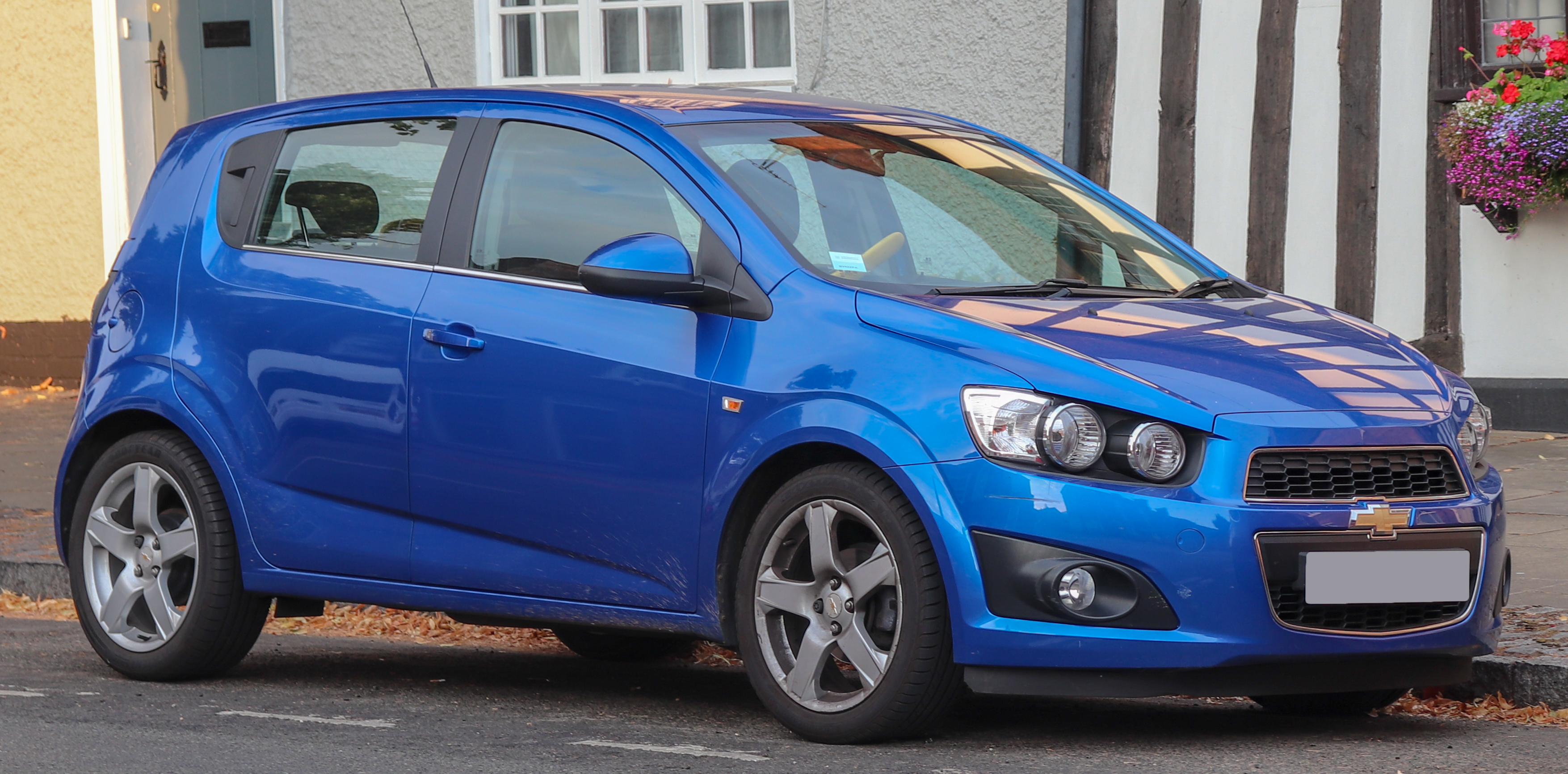
From 2004 to 2011, the Aveo was offered as a sedan and a hatchback. In 2012, it was replaced by the Chevy Sonic in North America, which marked a major improvement in design and reliability. While the Aveo is no longer sold new in the US, many used models are still on the road.
The Aveo’s simplicity was both a strength and a weakness. Its basic features made it easy to maintain, but cost-cutting often led to quality and reliability problems. Not every year was plagued with issues, but some model years stand out for their high rates of complaints and costly problems.
Chevy Aveo Model Years To Avoid
Choosing the right model year is critical when buying a used Aveo. Some years suffered from major mechanical failures, safety concerns, and frequent breakdowns. The following years are widely regarded as the riskiest, based on owner complaints, recall data, and automotive expert reviews.
2004 Chevy Aveo
The first year of any new car model usually brings some issues as manufacturers and consumers discover weaknesses. The 2004 Aveo was no exception. Many owners reported:
- Timing belt failures as early as 40,000 miles, sometimes causing engine damage.
- Electrical system problems, including dashboard lights flickering or staying on.
- Transmission issues like rough shifting and slipping.
These problems often led to expensive repairs, sometimes exceeding the car’s value. While some issues were fixed under warranty, many owners were left with high bills after the warranty expired.
2005 Chevy Aveo
The 2005 model continued to experience many of the problems seen in 2004, with some additional complaints:
- Faulty ignition systems that caused no-start conditions.
- Premature brake wear, leading to higher maintenance costs.
- Poor quality interior materials that wore out quickly.
Reliability ratings for the 2005 Aveo were low, and many buyers found themselves returning to the shop more than expected.
2007 Chevy Aveo
While 2006 saw some improvements, the 2007 Aveo introduced new headaches. Common issues included:
- Engine stalling at random, sometimes while driving.
- Airbag system failures, leading to safety recalls.
- Coolant leaks from the radiator and hoses.
These issues raised safety concerns, especially as airbag malfunctions could put drivers and passengers at risk in a crash.
2008 Chevy Aveo
The 2008 Aveo suffered from a combination of new and old problems:
- Electrical faults affecting headlights and taillights.
- Poor suspension durability, resulting in clunking noises and rough rides.
- Fuel system problems, such as fuel pump failures.
By this time, the Aveo’s reputation for reliability was struggling, and resale values remained low.
2009 Chevy Aveo
Although later Aveo years were not as problematic as the early models, the 2009 Aveo still showed some persistent issues:
- Check engine light coming on frequently, often due to faulty sensors.
- Heater and AC problems, making the car uncomfortable in extreme weather.
- Transmission slipping reported by some owners.
While less severe than earlier years, these issues still made the 2009 Aveo a risky choice compared to other used cars.
Why These Years Are Problematic
It’s important to understand what made these years stand out for the wrong reasons. The Aveo was engineered to be as affordable as possible, which often meant using lower-quality materials and simpler designs. However, some design choices backfired.
Frequent Timing Belt Failures
One of the most expensive problems for Aveo owners was the timing belt. In many of the years above, the timing belt could fail much earlier than expected. On an interference engine (like the Aveo’s), this failure can destroy the engine’s internal parts, requiring a full rebuild or replacement.
Electrical System Weaknesses
The Aveo’s electrical system had a reputation for poor reliability, especially in the 2004 and 2008 models. Issues ranged from simple bulb failures to wiring harness problems that could affect multiple systems at once.
Cheap Interior And Exterior Parts
Cost-cutting was visible in the Aveo’s interior materials and suspension components. Plastics cracked and faded quickly, while the suspension often developed clunks or squeaks after only a few years. These problems may seem minor but can make the car feel older than it is and lower resale value.
Safety Concerns
Some years, especially 2007, were affected by airbag recalls and failures. These are serious safety concerns, and fixing them often required dealer visits and long wait times for parts.
Comparison Of Problematic Aveo Model Years
Here’s a side-by-side look at the Aveo years with the most reported issues:
| Model Year | Main Issues | Estimated Repair Cost (avg.) | Owner Complaints (NHTSA/CarComplaints) |
|---|---|---|---|
| 2004 | Timing belt, electrical, transmission | $1,200 – $2,000 | 350+ |
| 2005 | Ignition, brakes, interior | $900 – $1,600 | 290+ |
| 2007 | Stalling, airbags, coolant leaks | $1,100 – $1,800 | 310+ |
| 2008 | Electrical, suspension, fuel pump | $1,000 – $1,700 | 270+ |
| 2009 | Check engine light, HVAC, transmission | $850 – $1,500 | 200+ |
Chevy Aveo Years That Are More Reliable
Not every Aveo year was a disaster. If you’re set on buying an Aveo, focus your search on the years with fewer complaints and better reliability records.
2006 Chevy Aveo
The 2006 Aveo showed improvement over earlier models, with fewer major mechanical failures. While it still had minor issues with the interior and trim, engine and transmission reliability were better.
2010–2011 Chevy Aveo
The final two years of the Aveo’s US run, 2010 and 2011, benefited from lessons learned in previous years. These models had:
- Fewer engine and transmission complaints
- Improved electrical reliability
- Fewer recalls
These years are widely considered the best used Aveo options, though they still lag behind competitors for features and comfort.
How To Identify A Problematic Aveo
If you’re shopping for a used Aveo, don’t rely only on the model year. Here are steps to help you spot a risky car before you buy:
- Check for Recalls: Search the car’s VIN on the NHTSA website to see if it has open recalls, especially for airbags and electrical systems.
- Ask for Maintenance Records: Cars with records showing regular timing belt replacements and oil changes are less likely to have engine problems.
- Look for Warning Lights: When test-driving, check if dashboard lights stay on or flicker. Persistent check engine or airbag lights are red flags.
- Inspect the Interior and Suspension: Excessive wear or odd noises can hint at poor build quality or high mileage.
- Get a Pre-Purchase Inspection: A trusted mechanic can spot hidden problems, especially in the engine and transmission.
Common Problems In The Worst Aveo Years
Understanding the most frequent issues can help you avoid them or negotiate a better price if you still want to buy.
Timing Belt And Engine Damage
Many early Aveos needed a new timing belt every 60,000 miles or less. Delaying this service could cause the belt to break, bending engine valves and sometimes ruining the engine. A timing belt replacement is not cheap, but it’s far less than rebuilding an engine.
Electrical Gremlins
Electrical issues ranged from simple bulb failures to complete loss of lighting or power accessories. Dashboards going dark, power windows refusing to work, and even radio problems were common.
Poor Air Conditioning And Heating
Many owners reported that the air conditioning and heating systems stopped working, sometimes due to failed blower motors or electrical faults. This made the car uncomfortable in very hot or cold weather.
Transmission Issues
Some Aveos, especially from 2004, 2005, and 2009, experienced rough shifting or even total transmission failure. Automatic transmissions were especially vulnerable if not maintained properly.
Aveo Vs. Other Subcompacts
How does the Aveo stack up against its main competitors from the same era? Here’s a quick comparison with two popular alternatives:
| Model | Reliability | Repair Costs (avg.) | Owner Satisfaction |
|---|---|---|---|
| Chevy Aveo (2004–2011) | Below Average | $1,100/year | Low |
| Toyota Yaris (2007–2011) | Above Average | $900/year | High |
| Honda Fit (2007–2011) | High | $950/year | Very High |
As the table shows, the Aveo’s reliability and owner satisfaction lagged behind similar cars from Toyota and Honda. While the Aveo was cheaper upfront, higher repair costs and frustration often offset the savings.
Tips For Buying A Used Chevy Aveo
If you’re considering a used Aveo, use these tips to minimize your risks:
- Stick to 2006, 2010, or 2011 models for the best chance at reliability.
- Avoid high-mileage cars unless they have full service records, especially for timing belt changes.
- Budget for repairs, as even the best years may need more maintenance than other brands.
- Test all electrical systems before buying, including lights, windows, and AC.
- Negotiate the price down if you find any issues, or walk away if the problems seem serious.
Non-obvious Insights For Aveo Buyers
- The Aveo’s resale value is very low, which can be a hidden advantage for buyers. You can often find a lightly used, late-model Aveo for much less than similar Toyotas or Hondas. But remember, you might face higher repair costs later.
- Parts availability can be a challenge for older Aveos, especially for specific engine or electrical components. Since the car was built by Daewoo (which no longer exists as a brand), some parts may only be found through specialty suppliers or junkyards.
- Insurance rates for the Aveo are often lower than for sportier or newer cars, which can help offset some of the risk if you’re on a tight budget.
- Pay close attention to recall repairs. Many Aveos were recalled for airbag issues, and not all were fixed. Ask for proof that recall work was done, or call a Chevy dealer to check with the VIN.
When The Aveo Makes Sense (and When It Doesn’t)
There are situations where buying a used Aveo could be a good choice:
- You need a very cheap car for short city drives and are comfortable doing minor repairs yourself.
- You find a low-mileage, well-maintained 2010 or 2011 model at a bargain price.
- You’re not concerned about resale value and plan to keep the car until it’s no longer drivable.
But if you want a car for long highway trips, need modern safety features, or want the lowest possible maintenance costs, a used Toyota or Honda will probably suit you better.
How To Research A Used Aveo Before Buying
There’s a lot you can do before you even see the car in person:
- Check owner forums like AveoClub or Chevy Aveo pages for real-world stories.
- Look up NHTSA recall history for the exact year and model.
- Use a VIN check service to verify title history and accident reports.
- Read expert reviews from sites like Edmunds or Consumer Reports for unbiased feedback.
For more in-depth information, you can visit the Chevrolet Aveo Wikipedia page.
Frequently Asked Questions
What Is The Worst Year For The Chevy Aveo?
Most experts and owners agree that 2004 is the worst year for the Chevy Aveo. It suffered from early timing belt failures, electrical issues, and transmission problems that often led to expensive repairs.
Is The Chevy Aveo A Reliable Car?
The Aveo’s reliability depends heavily on the model year and maintenance. Early years (2004–2005) had many problems, while 2010–2011 models are more reliable if well maintained. Still, the Aveo is generally less reliable than competitors like the Toyota Yaris and Honda Fit.
How Often Should The Timing Belt Be Replaced On A Chevy Aveo?
For most Aveos, especially 2004–2008 models, the timing belt should be replaced every 60,000 miles or sooner. Failing to do so can result in serious engine damage.
Is It Expensive To Repair A Chevy Aveo?
Repair costs for the Aveo are higher than many expect for a budget car. Average annual maintenance can reach $1,100 or more, especially if major components like the timing belt, transmission, or electrical systems fail.
Should I Buy A Used Chevy Aveo Or Look For Another Car?
If you find a well-maintained 2010 or 2011 Aveo at a great price, it can be a reasonable choice for city driving. However, if you want long-term reliability and lower repair costs, a used Toyota Yaris or Honda Fit is usually a safer bet.
Whether you’re searching for a cheap commuter or a first car for a new driver, it pays to do your homework before buying a used Aveo. With the right research and a careful choice of model year, you can avoid the worst problems and get good value for your money.