
The Subaru BRZ has become a favorite among car enthusiasts since its launch in 2012. With its light body, rear-wheel drive, and sharp handling, the BRZ offers a driving experience that’s hard to find at its price point. However, like any car, not every model year is perfect.
Some years have issues that buyers should know about, especially if you want a reliable, fun, and affordable sports car. In this article, we’ll explore which BRZ years to avoid, why they’re problematic, and how to make the best choice if you’re shopping for a used Subaru BRZ.
Why Do Certain Brz Years Stand Out?
When you shop for a used BRZ, it’s easy to get excited by the car’s reputation. But it’s important to remember that not all BRZs are equal. Subaru, like most manufacturers, makes small changes every year. Some years bring big updates, while others might have recurring problems that don’t get fixed right away.
Knowing which years are best to avoid can save you from headaches and repair bills. We’ll also look at the main issues these years face, from engine problems to electrical glitches, and help you understand what makes a “bad year” for the BRZ.
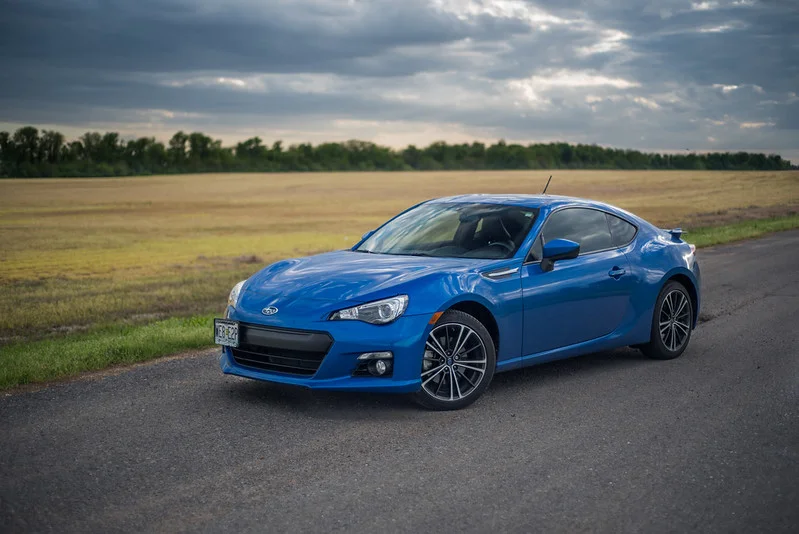
Subaru Brz: Quick Model Overview
Before we go into details, let’s look at the main generations:
- First Generation (2012–2020): Shared with Toyota 86/Scion FR-S, 2.0L naturally aspirated flat-four engine, manual or automatic transmission.
- Second Generation (2022–present): Redesigned, larger 2.4L engine, improved chassis, updated interior and tech.
The first generation is where most problem years are found, so most of this article will focus on those earlier models.
The Most Important Brz Years To Avoid
Let’s get straight to the point: If you’re buying a used BRZ, these are the main years to be cautious about:
- 2013 Subaru BRZ
- 2014 Subaru BRZ
- 2017 Subaru BRZ
Here’s why these years stand out — and what you should know before buying.
1. 2013 Subaru Brz
The 2013 model was the BRZ’s debut year. Like many first-year cars, it suffered from early production issues. Owners and experts have reported a few key problems:
- Engine Problems: Some 2013 BRZs had problems with engine idle, rough running, and even engine failure. The main culprit is often the FA20 engine’s valve spring, which can break and cause serious damage.
- Crickets Noise: Many early BRZs developed a high-pitched chirping sound from the high-pressure fuel pump. While it’s not a safety issue, it’s annoying and can hurt resale value.
- Electrical Glitches: Reports of faulty infotainment systems, Bluetooth issues, and dashboard warning lights were common.
- Recall History: The 2013 BRZ was part of multiple recalls, including a major one for valve springs in the FA20 engine.
Owner Experience Example
A 2013 BRZ owner shared on a popular forum that their engine failed at just over 30,000 miles due to a faulty valve spring. The repair required a full engine replacement, which Subaru covered under warranty, but it took nearly three months to complete.
2. 2014 Subaru Brz
The 2014 BRZ kept most of the parts and systems from the first year, which meant many of the same issues continued:
- Valve Spring Recall: The 2014 BRZ was also affected by the valve spring recall. The repair process itself sometimes led to further engine damage if not done carefully.
- Fuel Pump Noise: The infamous “crickets” continued in many 2014 models.
- Limited Updates: Subaru made very few changes between 2013 and 2014, so many early problems persisted.
Data Snapshot
According to the National Highway Traffic Safety Administration (NHTSA), the 2014 BRZ has a higher-than-average number of complaints about engine and electrical issues compared to later years.
3. 2017 Subaru Brz
2017 was a mid-cycle refresh year for the first-generation BRZ. While Subaru improved the car in some ways, new issues appeared:
- Engine Tuning Problems: Some owners reported rough idle, hesitation, and poor throttle response after the update. This was sometimes related to the revised ECU and software.
- Oil Consumption: The 2017 BRZ is known for higher-than-normal oil consumption, with some drivers needing to top off oil frequently between changes.
- Infotainment and Electronics: The updated infotainment system in 2017 had more bugs, including screen freezes and Bluetooth connection failures.
Real-world Example
Several 2017 BRZ owners on enthusiast forums noted that their cars would burn up to a quart of oil every 2,000 miles, well above normal. Subaru’s response varied — some owners received free repairs, while others were told it was “within normal range.”
Comparing Problem Years: 2013, 2014, And 2017
To help visualize these issues, here’s a breakdown of the main problems by year:
| Model Year | Main Issues | Recalls | Estimated Repair Cost |
|---|---|---|---|
| 2013 | Valve spring failure, fuel pump noise, electrical glitches | Multiple (valve spring, airbag, etc.) | $2,000–$6,000 (engine replacement) |
| 2014 | Valve spring failure, fuel pump noise, infotainment bugs | Multiple (valve spring, airbag, etc.) | $2,000–$6,000 (engine replacement) |
| 2017 | High oil consumption, infotainment bugs, engine tuning issues | Fewer than earlier years | $1,000–$3,500 (varies) |
Key insight: The earliest models (2013–2014) carry the most risk due to critical engine and recall issues. The 2017 model has fewer catastrophic failures but annoying reliability issues that can still cost owners extra time and money.
Other Brz Years: Are There More To Avoid?
While the three years above are the most commonly flagged, some buyers also report issues with other early models, especially 2015 and 2016. However, these problems are less widespread, and Subaru started addressing the biggest complaints.
2015–2016: These years still have the FA20 engine, but most major faults had been addressed or became less common. Some minor electrical and infotainment bugs remained, but engine reliability improved.
2018–2020: By these years, Subaru had ironed out most first-generation bugs. These BRZs are considered more reliable, with only a few recurring issues, mostly related to minor electronics.
2022–present: The second-generation BRZ, with its new 2.4L engine, has not shown any widespread or serious problems so far. Owners report improved build quality and fewer recalls.
How To Spot A Risky Brz: Warning Signs
If you’re shopping for a used BRZ from a year with known issues, here are signs to watch for:
- Unusual Engine Noises: Listen for ticking, knocking, or high-pitched “crickets” from the engine bay.
- Check Engine Light: An active warning light should always be inspected with a code reader.
- Service Records: Look for evidence of recall work, especially valve spring repairs. If a 2013 or 2014 BRZ hasn’t had this fixed, walk away.
- Oil Consumption: Ask the seller how often they top up the oil. Excessive oil use is a red flag.
- Infotainment Problems: Test the audio, navigation, and Bluetooth systems thoroughly.
- Rough Idle or Hesitation: These could be signs of engine or ECU issues.
Common Problems In “Bad” Brz Years
Some issues appear more often in the BRZ years to avoid. Here’s what you should know:
Valve Spring Failure
The FA20 engine uses a valve spring design that is prone to breaking in early models. When a valve spring breaks, it can cause the engine to lose power or even fail completely. This usually requires a full engine rebuild or replacement.
Subaru issued a recall, but in some cases, the repair process itself caused further engine damage.
High-pressure Fuel Pump “crickets”
A strange, loud chirping noise from the engine bay is a common complaint in 2013–2014 BRZs. It comes from the high-pressure fuel pump and, while not dangerous, is annoying and can affect the car’s resale value.
Electrical And Infotainment Issues
Owners report problems with the BRZ’s infotainment system, including freezing screens, Bluetooth failures, and poor audio quality. These are more common in early models and the 2017 update.
High Oil Consumption
Some 2017 BRZs, and a few from other years, burn more oil than expected. This can lead to engine wear if not monitored closely. Subaru sometimes considers this “normal,” but it can mean higher maintenance costs over time.
Brz Model Year Changes: What Got Better?
Subaru listened to feedback and made improvements over the years. Here’s a quick look at what changed:
| Model Year | Key Updates/Improvements |
|---|---|
| 2015–2016 | Improved build quality, updated infotainment, fewer engine failures |
| 2017 | Facelift, more power, new infotainment (but new bugs) |
| 2018–2020 | Refined electronics, improved reliability, fewer recalls |
| 2022–present | New 2.4L engine, better chassis, modern tech, no major issues so far |
Pro tip: Later models (2018 and newer) are the safest bets if you want to avoid known issues.
What To Consider When Buying A Used Brz
If you’re set on a BRZ from a year with known problems, here’s how to protect yourself:
- Check for completed recalls: Always ask for proof that recall work, especially the valve spring fix, has been done by a certified Subaru dealer.
- Have a pre-purchase inspection: A trusted mechanic can spot engine or electrical problems before you buy.
- Look for a warranty: Some used BRZs may still have part of their powertrain warranty, or you can buy an aftermarket warranty for peace of mind.
- Prioritize maintenance history: A well-maintained BRZ is less likely to have major issues, even from a risky year.
Real-world Brz Reliability: What The Data Shows
Let’s compare owner-reported problems across BRZ model years for a quick overview:
| Year | Engine Issues | Electrical Issues | Owner Satisfaction |
|---|---|---|---|
| 2013 | High | Medium | Low |
| 2014 | High | Medium | Low |
| 2015–2016 | Medium | Low | Medium |
| 2017 | Medium | High | Medium |
| 2018–2020 | Low | Low | High |
| 2022–present | Very Low | Very Low | High |
This data is based on owner surveys, NHTSA complaints, and reliability ratings from sources like Consumer Reports.
Two Common Mistakes When Shopping For A Used Brz
Many buyers focus only on price or mileage, but there are two easy-to-miss mistakes:
- Ignoring recall history: Buying a 2013 or 2014 BRZ without checking if the valve spring recall is done is risky. Some cars missed the fix and are likely to have major engine problems.
- Assuming low mileage means fewer problems: A lightly used BRZ from a “bad year” may still have hidden engine or electrical faults. Always get a pre-purchase inspection.
Are Some “Bad” Years Still Worth Buying?
Sometimes you find a 2013, 2014, or 2017 BRZ at a great price. Should you consider it? If all recall work is complete, the car has full service records, and it passes an inspection, it can still be a good deal.
But expect a higher risk of unexpected repairs. Factor this into your budget and be ready for more maintenance than with a newer BRZ.
Best Brz Years To Buy
While this article is about years to avoid, you might be wondering which years are safest. Here’s a short list of the best BRZ years for reliability:
- 2018–2020: Most reliable in the first generation.
- 2022–present: Second generation, improved engine, and updated tech.
These models have the fewest reports of major problems and are a safer bet for long-term enjoyment.
Frequently Asked Questions
What Is The Worst Year For The Subaru Brz?
The 2013 BRZ is considered the worst year due to serious engine problems, especially valve spring failures. Many cars needed engine replacements, and multiple recalls affected reliability.
Is The 2014 Brz Reliable After Recall Repairs?
If the valve spring recall work was done properly by a certified Subaru technician, the 2014 BRZ can be reliable. However, some repairs caused further engine issues if not done carefully, so always check service records.
Do All Early Brzs Have The “crickets” Noise?
Most 2013 and 2014 BRZs develop the high-pitched fuel pump chirp known as “crickets.” Some owners learn to live with it, but it can be reduced by changing fuel brands or replacing the pump. Later models rarely have this issue.
How Does The Brz Compare To The Toyota 86/scion Fr-s For Reliability?
The Toyota 86 and Scion FR-S share the same platform and engine as the BRZ. They have similar problems in early years, especially with valve springs and fuel pump noise. Reliability is nearly identical between brands.
Where Can I Check For Recalls On A Used Brz?
You can use the official NHTSA recall lookup or visit the NHTSA website to enter the car’s VIN and see open recalls. Always check before buying a used BRZ.
Final Thoughts
The Subaru BRZ is a fantastic sports car with a loyal following, but not every year is trouble-free. The 2013, 2014, and 2017 models stand out as the main years to avoid, mostly due to engine and reliability issues. If you’re considering a used BRZ, focus on 2018 and newer models for the best mix of performance and peace of mind. Always check for recall work, service history, and get an expert inspection before you buy. This will help you enjoy the driving fun of a BRZ without unexpected surprises.