
Buying a used Chevy truck can be a smart move. The right model will last for years, handle tough jobs, and keep its value. But some Chevy trucks have more problems than others. If you want to avoid expensive repairs and headaches, it’s important to know which years to avoid.
This guide explores the Chevy truck years to avoid, explains why, and shares tips to help you choose a reliable truck.
Why Some Chevy Truck Years Should Be Avoided
Not all Chevy trucks are the same. Some years have repeat issues, major recalls, or poor reliability scores. These problems often come from engine troubles, transmission failures, electrical glitches, or even rusty frames. Chevy has made many strong trucks, but a few model years stand out for the wrong reasons.
Buying a truck from a “bad” year can mean more time in the shop and higher repair bills. For example, a truck with a faulty transmission might cost thousands to fix. Some years also have more safety recalls, which can make driving risky if repairs aren’t done.
That’s why it’s smart to research first.
Chevy Silverado: Years To Avoid
The Chevy Silverado is one of the most popular trucks in America. Many Silverados are known for reliability and performance. However, certain years have caused problems for owners and mechanics alike.
1999-2003 Chevy Silverado 1500
The 1999-2003 Silverado models marked the start of a new generation, but they came with serious issues. Many owners report:
- Transmission failure before 100,000 miles
- Faulty fuel pumps
- Rusty brake lines causing brake failure
- Cracked dashboards
These problems are expensive to fix and can affect safety. For example, a failed fuel pump can leave you stranded. Rusty brake lines are especially dangerous in wet or snowy climates.
2004-2006 Chevy Silverado 1500
While some improvements were made, the 2004-2006 Silverado years still had notable problems:
- Instrument cluster failure
- Electrical system glitches
- Poor-quality interiors that break easily
Instrument cluster failure means you can’t see your speed, fuel, or warning lights—a major safety risk.
2007-2008 Chevy Silverado 1500
The 2007 model was the start of a new generation, but early versions had:
- Engine oil consumption issues
- Transmission problems
- Airbag recall defects
Oil consumption can lead to engine damage if not checked regularly. Airbag issues are a safety concern, especially for families.
2014-2016 Chevy Silverado 1500
Modern Silverados are usually better, but the 2014-2016 models saw:
- Transmission shuddering and hard shifting
- AC condenser failures
- Electrical problems causing warning lights to stay on
The transmission shudder is a common complaint. It feels like your truck is shaking or slipping when changing gears. Many owners needed repairs before 60,000 miles.
Problem Trends In Silverado Trucks
A quick look at common issues by year:
| Model Year | Major Issues | Estimated Repair Cost |
|---|---|---|
| 1999-2003 | Transmission, fuel pump, brake lines | $1,500–$3,500 |
| 2004-2006 | Instrument cluster, electrical, interior | $300–$1,200 |
| 2007-2008 | Oil consumption, transmission, airbags | $800–$2,000 |
| 2014-2016 | Transmission, AC condenser, electrical | $1,000–$3,000 |
Chevy Colorado: Years To Avoid
The Chevy Colorado is a popular mid-size truck, but not every model year is equal. Some Colorados are well-built, but certain years should be skipped.
2004-2006 Chevy Colorado
These first-generation Colorados have many complaints:
- Faulty cylinder heads leading to engine failure
- Transmission slipping
- Electrical gremlins (like power windows failing)
A failed cylinder head can ruin the engine, often costing more than the truck’s value to fix.
2015 Chevy Colorado
The 2015 Colorado was the start of a new generation, but early models saw:
- Transmission shudder
- Infotainment system problems
- Power steering loss
Losing power steering while driving is dangerous, especially at highway speeds.
Data Table: Chevy Colorado Issues By Year
| Model Year | Main Problems | Repair Estimates |
|---|---|---|
| 2004-2006 | Cylinder heads, transmission, electrical | $1,000–$3,500 |
| 2015 | Transmission, infotainment, steering | $900–$2,200 |
Chevy Avalanche: Years To Avoid
The Chevy Avalanche is no longer in production, but it’s still popular on the used market. Some years have more problems than others.
2002-2005 Chevy Avalanche
Early Avalanches often suffer from:
- Cladding fade (plastic panels turn chalky and ugly)
- Transmission failure
- Dashboard cracking
- Electrical issues
Cladding fade looks bad but doesn’t affect driving. However, transmission and electrical failures can be costly.
2007 Chevy Avalanche
The 2007 model has:
- Oil consumption issues
- Engine knocking sounds
- Active Fuel Management (AFM) problems
AFM can cause engines to use oil too quickly or even fail.
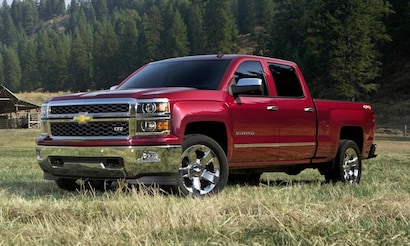
Chevy S-10: Years To Avoid
The S-10 was a popular compact truck before the Colorado. Some models are reliable, but others have clear problems.
1999-2003 Chevy S-10
Common issues include:
- Blown head gaskets
- Transmission slipping
- Rusty frames
- Fuel pump failures
Rusty frames can make a truck unsafe and hard to repair. Head gasket failure often means engine replacement.
Key Signs Of A Problem Chevy Truck
When shopping for a used Chevy truck, look for these warning signs. They can reveal if the truck comes from a problematic year or was not well cared for.
- Check engine light stays on
- Rough shifting or slipping gears
- Visible rust on the frame, brake lines, or body panels
- Burning oil smell or blue exhaust smoke
- Unusual engine noises like knocking or ticking
- Dashboard warning lights for airbags, brakes, or transmission
- Broken interior pieces or cracked dashboards
Always get a trusted mechanic to inspect any used truck before buying.
What Makes A “bad Year” For Chevy Trucks?
Some years stand out because more owners report serious problems. Here’s what usually causes it:
- Design flaws: Sometimes, Chevy tries a new engine, transmission, or feature that isn’t tested enough.
- Supplier issues: Cheap parts can cause repeat failures.
- First model year bugs: New generations often have problems that get fixed in later years.
- Ignored recalls: Some owners don’t fix recalls, so issues stay with the truck.
A good example is the 2007 Silverado. It was a new generation with new engines, but many trucks had transmission and oil problems that Chevy improved in later years.
How To Research Chevy Truck Reliability
Don’t just rely on owner stories. Use these steps to research any Chevy truck you’re considering:
- Check NHTSA recall history. The National Highway Traffic Safety Administration lists recalls and complaints.
- Visit CarComplaints.com. See what other owners report for specific years.
- Look up Consumer Reports reliability ratings.
- Read independent mechanic reviews.
- Ask about known issues on Chevy truck forums.
If you see the same complaint for a model year over and over, it’s a red flag.
How Chevy Improved Their Trucks Over Time
Not every Chevy truck year is bad. In fact, many problems get fixed in later years. For example:
- The 2017 Silverado improved transmission reliability and fixed many electrical issues.
- The 2009-2013 Colorado is much more reliable than earlier models.
- The 2010-2013 Avalanche solved most dashboard and engine problems.
Chevy often uses feedback and recall data to fix weak spots. That’s why newer trucks or later years in a generation are usually safer bets.
Best Chevy Truck Years (for Comparison)
To help you see the difference, here are some Chevy truck years known for reliability and fewer problems.
| Model | Best Years | Why They’re Reliable |
|---|---|---|
| Silverado 1500 | 2009, 2012, 2017-2018 | Improved transmissions, fewer recalls, strong engines |
| Colorado | 2012, 2016, 2020 | Better engines, fewer electrical issues |
| Avalanche | 2010-2012 | Fixed dashboard, better engine management |
Non-obvious Insights: What Most Buyers Miss
Many buyers focus on mileage or the price. But a low-mileage truck from a bad year can still have big problems. For example, a 2015 Colorado with 40,000 miles can have the same transmission shudder as one with 100,000 miles. Always research the model year, not just how much the truck was driven.
Another detail: recall repairs are not always done. If you buy used, ask for proof the recalls are fixed. Some dealers will check for free, but private sellers might not know.
How To Avoid Buying A Problem Chevy Truck
Use these steps to lower your risk:
- Research model years before shopping.
- Get a pre-purchase inspection by a trusted mechanic.
- Check the VIN for recalls and accident history.
- Ask about major repairs (transmission, engine, electronics).
- Test drive the truck for at least 15-20 minutes. Listen for noises, check shifting, and watch the gauges.
- Review service records if available.
Many buyers skip the VIN check or inspection to save money. But spending a little now can save thousands later.
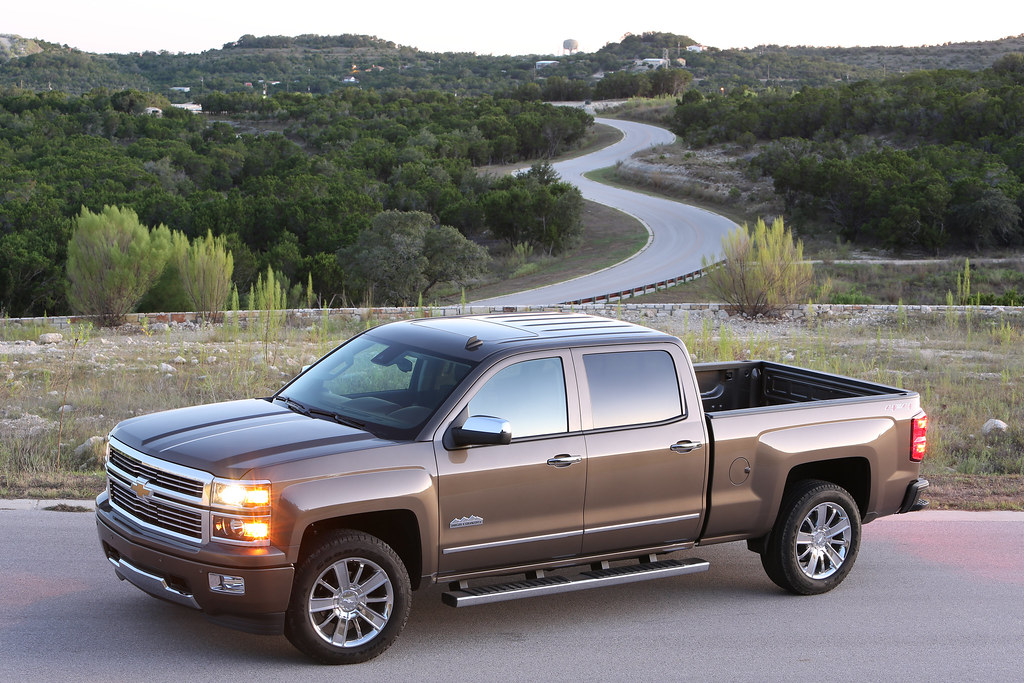
Chevy Truck Recalls: What To Know
Chevy has issued recalls for many trucks over the years. Some are minor (like replacing a seat belt clip), but others are serious (such as airbag or brake problems).
- Always ask if a used truck has had recall repairs done.
- You can check by entering the VIN at the official NHTSA site.
- Never ignore open recalls, especially for airbags, brakes, or steering.
Recalls are free to fix at any Chevy dealer. It’s worth the time for safety.
Should You Ever Buy A “bad” Chevy Truck Year?
Sometimes you’ll find a great deal on a truck from a “bad” year. Here’s when it might make sense:
- The problem was fixed by a previous owner (with proof).
- The truck is in excellent condition and priced low.
- You’re a mechanic or know someone who can fix issues cheaply.
But for most buyers, it’s safer to choose a more reliable year. Peace of mind is worth a little extra.

Cost Comparison: Bad Years Vs Good Years
Let’s compare average repair costs for a “bad” Chevy truck year vs a good one:
| Year/Model | Common Repairs (in 5 years) | Estimated Cost |
|---|---|---|
| 2015 Colorado (bad year) | Transmission, steering, electrical | $3,000–$4,500 |
| 2016 Colorado (good year) | Minor sensors, brakes | $1,000–$1,500 |
| 2007 Silverado (bad year) | Transmission, oil system, airbags | $2,500–$4,000 |
| 2017 Silverado (good year) | Minor electrical, routine maintenance | $800–$1,200 |
As you can see, a “bad” year can cost double or triple the repairs of a good year.
Real Owner Stories
Hearing from actual owners can help you understand what to expect. For example:
- Sarah bought a 2007 Silverado for $8,000. After just two years, she spent $3,000 on a new transmission and $1,000 on electrical repairs.
- Mike picked up a 2016 Colorado. He’s put 75,000 miles on it with only basic maintenance and one sensor replacement.
The difference often comes down to model year, not just luck.
The Role Of Maintenance
Even a reliable Chevy truck can become a problem if not maintained. Look for service records showing regular oil changes, transmission fluid changes, and timely repairs. Trucks from “bad” years need extra attention—if an owner didn’t take care, problems will be worse.
Where To Find Reliable Chevy Truck Info
Use trusted sources when researching. Good places include:
- The official Chevrolet website
- NHTSA.gov for recalls
- Independent mechanic reviews
- Owner forums and communities
- Consumer Reports for reliability data
These sites give honest details about real-world problems.
Frequently Asked Questions
Which Chevy Silverado Years Are The Most Reliable?
The 2009, 2012, and 2017-2018 Silverado 1500 models are known for reliability. They have fewer reports of major issues, strong engines, and improved transmissions compared to earlier years.
What Is The Worst Year For Chevy Colorado?
Most experts and owners agree the 2015 Colorado is the worst year. It had transmission shudder, power steering failures, and infotainment system glitches. Repairs can be expensive, and problems often start before 60,000 miles.
Can A Bad Year Chevy Truck Be Made Reliable?
Sometimes, yes—if the major issues (like transmission or engine) were repaired with quality parts. Always ask for proof of repairs and get a mechanic’s opinion before buying a truck from a problem year.
How Do I Check If A Used Chevy Truck Has Open Recalls?
Use the NHTSA VIN lookup tool online. Enter the truck’s VIN to see if it has any open recalls. Chevy dealers will fix recalls for free, but only if you ask.
Are Newer Chevy Trucks More Reliable?
Generally, yes. Chevy has fixed many issues in recent years. However, even some newer models (like early 2014-2016 Silverados) have had problems. Always check reviews and recall history before buying.
Buying a used Chevy truck is a big investment. By avoiding the years with the most issues and doing your homework, you can find a reliable, long-lasting truck. Remember, the model year matters as much as mileage. Always get an inspection, check for recalls, and choose a truck with a good track record.
Your next Chevy truck can serve you well for years—if you pick the right one.