
The Dodge Ram powered by the Cummins turbo-diesel engine is a legend in the automotive world. Whether it’s the mechanical simplicity of the early 5.9L 12-valve or the raw, high-output towing capacity of the modern 6.7L, these trucks are built for the long haul. However, in its 35-year history, not every model has lived up to the “bulletproof” reputation.
If you are hunting for a used Cummins, you are likely looking for a workhorse that won’t leave you stranded. But buy the wrong year, and you could face cracked engine blocks, “killer” mechanical failures, or emissions systems that cost more to fix than the truck is worth.
In this article, we break down the specific Dodge Cummins years to avoid, explaining the mechanical “why” behind their failures and highlighting which models are actually worth your hard-earned cash.
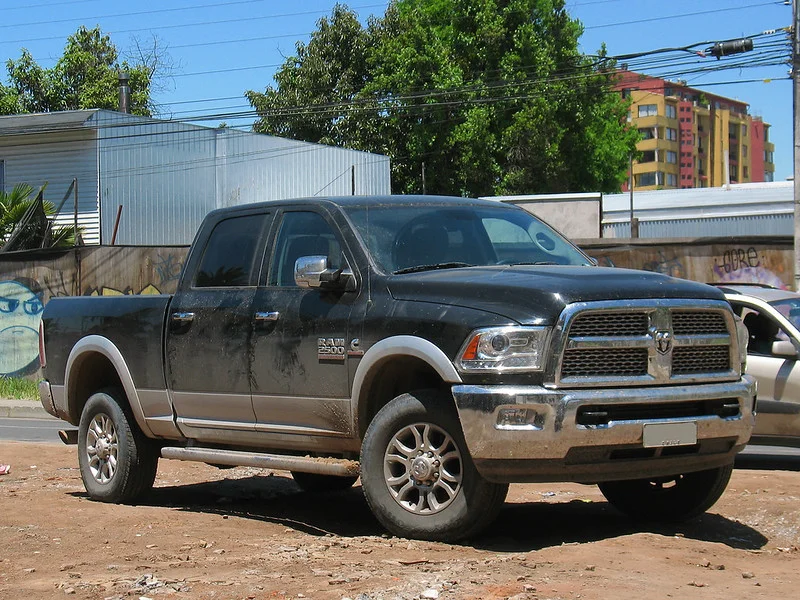
The Cummins Legacy: Why It Matters
Before we look at the bad years, it’s important to understand the platform. Unlike Ford’s PowerStroke or Chevy’s Duramax, the Cummins is an inline-six (I6) industrial-grade engine. Its design uses fewer moving parts than a V8, leading to inherently better durability.
The history is divided into five generations:
- 1st Gen (1989–1993): The 5.9L 12-valve that started it all.
- 2nd Gen (1994–2002): Split between the mechanical P-pump and the electronic 24-valve.
- 3rd Gen (2003–2009): The introduction of Common Rail injection and the move to 6.7L.
- 4th Gen (2010–2018): Modern comfort mixed with early emissions challenges.
- 5th Gen (2019–Present): Extreme luxury and high-tech power.
Top Dodge Cummins Years to Avoid (The “Buyer Beware” List)
Based on technician data, NHTSA recalls, and long-term owner reports, these are the model years that carry the highest risk of catastrophic failure.
1998.5–2002: The VP44 and “53 Block” Disaster
The late 2nd Gen trucks are arguably the most controversial. While they look great, they hide two of the most expensive flaws in diesel history.
- The “53” Engine Block: Between 1999 and 2001, many engines were cast by the TUPY foundry with a “53” stamp on the side. These blocks had thin water jacket walls. Under heavy load or thermal stress, they develop hairline cracks, leaking coolant externally. There is no permanent fix for a cracked 53 block other than a total engine replacement.
- The Bosch VP44 Pump: This was the first electronic injection pump for Cummins. It is notorious for failing if the lift pump (which feeds it fuel) loses pressure. Without fuel for lubrication, the VP44 burns itself out, a repair costing $2,000 to $3,500.
2003: The Experimental Common Rail
2003 was the first year of the 3rd Gen and the Common Rail system. While quieter and more powerful, the early Bosch CP3 implementation was prone to injector failures. Furthermore, the ECU (Engine Control Unit) in 2003 models is unique and notoriously difficult to find or repair if it fries, often leading to “no-start” conditions that baffle mechanics.
2007.5–2012: The Early 6.7L Emissions Nightmare
When Cummins moved from the 5.9L to the 6.7L to meet EPA standards, they added the DPF (Diesel Particulate Filter) and EGR (Exhaust Gas Recirculation) systems.
- Soot Clogging: These early systems were not refined. If the truck was used for short trips or excessive idling, soot would clog the DPF and the Variable Geometry Turbo (VGT).
- Turbo Actuator Failure: The VGT uses an electronic actuator to move internal vanes. Soot buildup causes these vanes to stick, leading to a loss of boost and a $3,000+ turbo replacement.
2019–2020: The CP4 Pump Recall
In a rare misstep for the 5th generation, RAM switched from the reliable Bosch CP3 high-pressure fuel pump to the Bosch CP4.2.
- Self-Destruction: The CP4 was designed for European fuel, which is more lubricated than American “dry” diesel. In the US, the CP4 pump can fail internally, sending metal shards through the entire fuel system (injectors, lines, rails). This is a $10,000+ repair.
- The Fix: RAM issued a massive recall to revert these trucks back to the CP3 pump. If you buy a 2019–2020, ensure the recall work has been completed.
Reliability Comparison Table: What to Watch For
| Era | Years to Avoid | The “Dealbreaker” Issue | Estimated Repair Cost |
| 2nd Gen | 1999–2001 | Cracked 53 Block | $7,000 – $10,000 |
| 2nd Gen | 1998.5–2002 | VP44 Pump Failure | $2,500 – $3,500 |
| 3rd Gen | 2003 | ECU & Injector Gremlins | $1,500 – $4,000 |
| 4th Gen | 2007.5–2010 | DPF/EGR Clogging | $3,000+ |
| 5th Gen | 2019–2020 | CP4 Fuel Pump Failure | $10,000+ |
Technical Deep-Dive: Fatal Flaws You Must Know
The “Killer Dowel Pin” (KDP)
This affects all 12-valve 5.9L engines (1989–1998). Inside the timing gear housing, a small steel dowel pin was used to align the housing during assembly. Over time, vibrations can cause this pin to back out.
- The Damage: If the pin falls, it gets caught in the timing gears. This can crack the gear housing (oil leak) or, in worst-case scenarios, cause the engine to skip time, leading to valves hitting pistons and a totaled engine.
- The Fix: A simple “KDP Tab” kit costs $50 and locks the pin in place. Never buy a 1st or 2nd gen without asking if the KDP has been “tabbed.”
The 68RFE Transmission Weakness
While the Cummins engine is strong, the automatic transmissions paired with them (specifically the 68RFE found in 2007.5–present 2500 models) are often the weak link.
- Overdrive Failure: If you add a performance tuner or tow heavy in overdrive, the 68RFE clutches will slip and burn.
- Recommendation: If you plan on towing heavy, look for the Aisin AS69RC transmission (found in 3500 High Output models) or stick with a manual G56 transmission (available until 2018).
The “Golden Years”: Best Cummins Models to Buy
Now that you know what to steer clear of, which years should you actually put in your driveway?
1. 1996–1998 (12-Valve P-Pump)
This is considered the “Holy Grail” of diesel trucks. It features the mechanical Bosch P7100 injection pump. It has no complex computers, no emissions sensors, and can run on almost anything. With basic mods, these can produce massive power reliably.
2. 2006–2007 (The 5.9L Common Rail Peak)
This is the final year of the 5.9L engine. It features the modern Common Rail system for quiet operation and easy tuning, but it lacks the DPF and EGR emissions equipment found in the 6.7L. It is widely considered the best balance of modern tech and old-school reliability.
3. 2014–2018 (The Refined 4th Gen)
By 2014, RAM added DEF (Diesel Exhaust Fluid) / SCR technology. While it added another fluid to fill, it allowed the engine to run more efficiently and reduced the soot buildup issues that plagued the 2007–2012 models. These are excellent, comfortable long-distance towers.
4. 2021–Present (The High-Output King)
With the return of the Bosch CP3 fuel pump and a massive 1,075 lb-ft of torque available in the High Output (HO) models, the newest Rams are incredibly capable. If your budget allows, these are the most refined trucks ever built.
Pre-Purchase Inspection: A Technical Checklist
Before you sign the papers on a used Dodge Cummins, perform these checks:
- The Blow-By Test: With the engine running and warm, unscrew the oil fill cap and set it upside down on the hole. If the cap dances around or blows off, the engine has “blow-by” (worn piston rings). If it stays still, the engine is healthy.
- The “53” Stamp: Crawl under the driver’s side of a 1999–2001 truck. Look at the lower front of the engine block for a large “53” cast into the metal. If you see it, proceed with extreme caution.
- Turbo “Whistle” and Lag: On 6.7L models, listen for a high-pitched siren sound or a “cleaning” cycle that never ends. This indicates the VGT vanes are sticking.
- Coolant Smell: Smelling sweet “syrup” around the engine bay of a 6.7L often means the EGR cooler is leaking internally—a common and messy failure.
- Transmission Fluid: Pull the dipstick. If the fluid is dark brown or smells burnt, the 68RFE transmission is on its last legs.
Maintenance is the Great Equalizer
It is worth noting that even a “bad year” can be a good truck if the owner was meticulous. A 2001 with a replaced VP44 and a “fixed” fuel system can be very reliable. Conversely, a “good” 2006 that has had its oil changed every 15,000 miles is a ticking time bomb.
Pro Tip: Always ask for service records proving that fuel filters were changed every 10,000 miles. In common-rail engines, dirty fuel is the #1 killer of $3,000 injector sets.
Summary Table: Recommendation by Usage
| If you want… | Buy these years | Why? |
| Max Reliability | 1994–1998 | P-Pump simplicity. |
| Daily Driving | 2006–2007 | 5.9L power without emissions. |
| Heavy Towing | 2015–2018 | Aisin transmission & SCR efficiency. |
| Luxury & Tech | 2021+ | Refined interior and CP3 pump. |
| Budget Performance | 2004–2005 | Strong 5.9L Common Rail foundation. |
Frequently Asked Questions (FAQs)
Is the “53 Block” really that common?
It is estimated that tens of thousands of these blocks were produced. While not every single one cracks, the failure rate is high enough that most experts advise against buying them unless the price is exceptionally low.
Can I “delete” the emissions on a 2008–2012 model?
While technically possible, it is illegal for road use in the US under EPA regulations. Many shops will no longer perform this work, and you will fail inspections in many states. It is better to buy a 2014+ model that runs reliably with the stock equipment.
What is the most reliable Cummins engine?
The 12-valve 5.9L (6BT) is widely considered the most reliable diesel engine ever put in a pickup truck due to its mechanical nature.
How long does a Cummins engine last?
With proper maintenance, the “bottom end” (pistons and crank) can last 500,000 miles. Most owners retire the trucks because the body or transmission fails long before the engine does.
Why did RAM switch to the CP4 pump in 2019?
The switch was likely for weight and cost savings, but the pump proved unable to handle the lower lubrication levels of American ultra-low-sulfur diesel (ULSD).
Is the 24-valve better than the 12-valve?
The 24-valve (1998.5+) offers better airflow and electronic tuning, but the 12-valve offers unmatched mechanical reliability.
Should I buy a truck with over 200,000 miles?
On a Cummins, 200k is often considered “mid-life.” However, the front end (ball joints, steering) and transmission will likely need work if they haven’t been replaced already.
What is the “Death Wobble”?
This is a front-end vibration common on 4WD Rams where the steering wheel shakes violently. It’s caused by worn track bars or steering dampeners, not the engine.
Is the G56 manual transmission good?
Yes, but the dual-mass flywheel (DMF) is a weak point. Most owners swap it for a solid flywheel conversion once the stock clutch wears out.
What oil should I use?
Most Cummins experts recommend a high-quality 15W-40 or 5W-40 synthetic diesel oil, changed every 5,000 to 7,500 miles depending on use.
Conclusion: Making the Right Choice
Choosing a Dodge Cummins is an investment in power and longevity. By steering clear of the Dodge Cummins years to avoid—specifically the 1999–2002 VP44 models, the soot-prone 2007–2012 early 6.7Ls, and the un-recalled 2019 CP4 models—you are already ahead of the curve.
Research the maintenance history, perform a physical inspection for the “53” stamp and the “HEMI tick” (or in this case, the “injector knock”), and you’ll find a truck that will serve you for decades.