
The Jeep Wrangler JK is a favorite among off-road lovers and adventure seekers. Its tough build and iconic look have made it one of the most popular vehicles in the Jeep lineup. However, not all JK model years are equal. If you’re thinking about buying a used Wrangler JK, knowing which years to avoid can save you from expensive repairs and headaches. This guide offers clear advice, practical examples, and real data to help you make a smart choice.
Understanding The Jeep Wrangler Jk Series
The Jeep Wrangler JK was produced from 2007 to 2018. It replaced the TJ generation and introduced many improvements, including a stronger frame, better ride comfort, and more modern features. The JK also added the four-door Unlimited version, appealing to families and those needing extra space.
But every car model has ups and downs. The JK series saw big changes in engines, electronics, and build quality during its production. Some years brought major improvements, while others had issues that led to recalls and owner complaints.
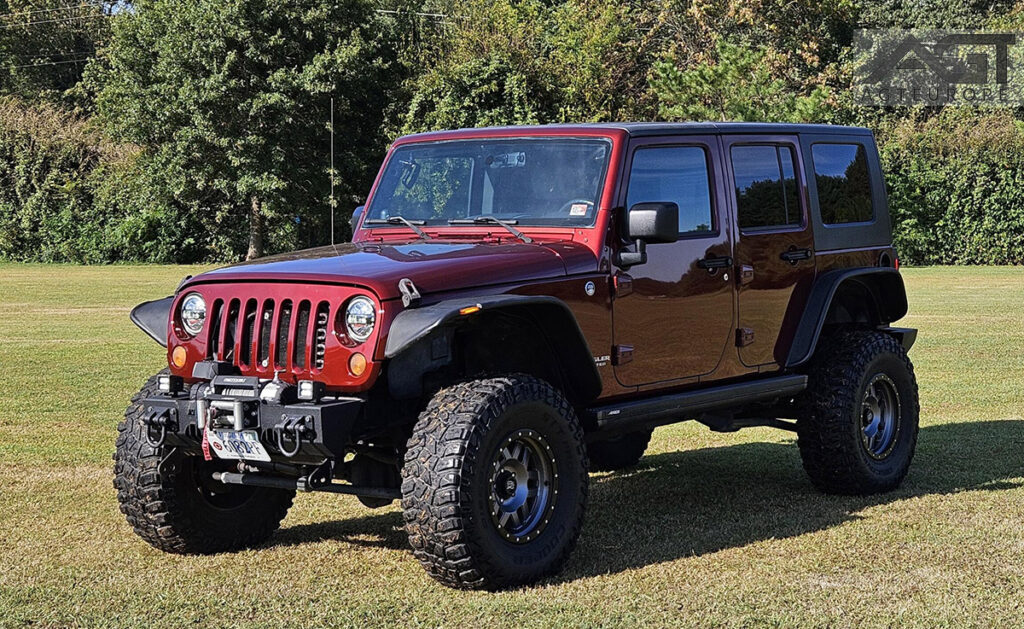
Jk Years To Avoid: Data And Reasons
Not every Jeep Wrangler JK is trouble-free. Some model years are known for specific problems. Let’s look at the years you should think twice about before buying, with clear reasons and real examples.
1. 2007 Jeep Wrangler Jk
The first year of the JK brought many changes, but it also came with serious reliability issues. Owners reported problems with:
- Electrical systems
- Leaking roofs
- Engine stalling
- Transmission failure
Many 2007 JKs suffered from TIPM (Totally Integrated Power Module) failures. This part controls most of the car’s electronics. When it fails, you might lose headlights, wipers, or even the ability to start the engine. Repairing or replacing the TIPM can cost $900–$1,200.
Another major concern was the death wobble—a violent shaking of the steering wheel often caused by worn-out suspension parts. While this problem can happen in other years, 2007 models had more reports due to early design flaws.
2. 2008 Jeep Wrangler Jk
The 2008 JK continued to struggle with electrical and sensor issues. Many owners complained about:
- Airbag warning lights
- Faulty fuel sensors
- Premature brake wear
A common problem was the leaking hardtop. Water could drip into the cabin, causing damage to carpets and electronics. The cost to fix water leaks ranged from $300 to $900, depending on severity.
The engine used in 2008 JKs, the 3.8L V6, was criticized for low power and high oil consumption. Some drivers needed to add oil between changes, and a few experienced engine failures before 100,000 miles.
3. 2012 Jeep Wrangler Jk
The 2012 model year saw the introduction of the new 3.6L Pentastar V6 engine. While this engine improved performance, it also brought its own set of problems:
- Cylinder head failure
- Camshaft issues
- Ticking noises from the engine
The 2012 JK had the highest number of engine complaints, especially regarding cylinder head failure. Repairs for this issue often cost $3,000–$5,000. Jeep later extended the warranty for affected engines, but many owners still faced big bills.
Another issue was the automatic transmission. Some drivers reported rough shifting and sudden loss of power. The 2012 JK had more transmission recalls than other years.
4. 2013 Jeep Wrangler Jk
Although the 2013 JK kept the Pentastar engine, it continued to suffer from:
- Electrical glitches
- Engine misfires
- Water leaks
A unique problem for this year was the airbag recall. Some JKs had faulty airbag inflators that could explode and cause injury. Jeep issued a recall, but some vehicles may not have been fixed.
The electrical system in 2013 models was also prone to failures. Owners reported issues with dashboard lights, power windows, and sometimes total loss of power. Repair costs varied, but fixing electrical problems often cost $500–$1,500.
5. 2014 Jeep Wrangler Jk
The 2014 JK started to see improvements, but it still had more issues compared to later years:
- Water leaking into cabin
- Transmission troubles
- Engine ticks and misfires
While fewer engine complaints were reported, transmission issues persisted. The automatic transmission sometimes slipped or failed to shift smoothly. Some owners needed full transmission replacements, costing $2,000–$4,000.
A less obvious issue was premature rust. Some 2014 JKs showed rust on door hinges, underbody, and frame. Rust can lead to expensive repairs or reduce the vehicle’s lifespan.
Comparing Problem Years: Data Table
To help you see the differences between these years, here’s a comparison based on common owner complaints and repair costs.
| Model Year | Major Issues | Avg. Repair Cost | Common Mileage for Problems |
|---|---|---|---|
| 2007 | Electrical, TIPM, death wobble | $900–$1,200 | 50,000–80,000 |
| 2008 | Leaking roof, sensor failure, oil consumption | $300–$900 | 40,000–70,000 |
| 2012 | Engine cylinder head, transmission | $3,000–$5,000 | 30,000–60,000 |
| 2013 | Airbag recall, electrical, engine misfire | $500–$1,500 | 35,000–65,000 |
| 2014 | Transmission, rust, water leaks | $2,000–$4,000 | 45,000–80,000 |
Why These Years Are Problematic
Understanding why certain years are more troublesome can help you avoid future headaches. Most issues are linked to:
- Engine changes: New engines often have growing pains. The switch from the 3.8L to the 3.6L brought better performance but also new failures.
- Electronic upgrades: Early JK models introduced modern electronics, but these systems weren’t always reliable.
- Production quality: Jeep improved build quality over time. Early JKs had more fit-and-finish problems, like leaking roofs and rattling doors.
One non-obvious insight: Jeep often used the same parts across different model years. If a part was faulty in 2007, it might still show up in later JKs until Jeep fixed the issue. This means some problems linger for several years.
Years Worth Considering
If you want a Wrangler JK but want to avoid the worst years, look for models from 2015 to 2018. These years saw fewer complaints, better reliability, and improved engines and transmissions.
Improvements In Later Jk Models
- Better build quality
- Improved electronics
- Fewer recalls
- Stronger engine reliability
The later JKs also got more modern interiors and extra safety features. Owners report fewer leaks, less rust, and more consistent performance.
Common Problems Across All Jk Years
Even the best JKs have typical issues. Knowing these can help you plan for maintenance and avoid surprises.
- Death wobble: Can happen on any JK, especially after suspension modifications or worn steering parts.
- Water leaks: Hardtops and soft tops may leak if not sealed properly.
- Rust: Frame and underbody can rust, especially in wet climates.
- Electrical glitches: Power windows, locks, and dashboard lights sometimes fail.
- Engine ticks: Usually harmless but can signal bigger problems if ignored.
Practical Tips For Buying A Used Wrangler Jk
Buying a used Jeep Wrangler JK can be exciting, but you need to be careful. Here are some practical steps:
- Check for recalls: Use the VIN to see if the car had recalls and if repairs were done.
- Inspect for leaks and rust: Look under carpets and check the frame for rust. Water leaks can cause mold and electrical damage.
- Test electronics: Try all switches, windows, and lights. Faulty electronics are common in problem years.
- Review service records: A well-maintained Jeep is less likely to have big issues.
- Drive at highway speeds: Check for death wobble or steering shake.
- Listen for engine ticks: Persistent ticking can mean engine trouble.
A less obvious tip: Ask the seller about oil consumption. Some JKs use oil faster than normal. If you need to add oil between changes, the engine may be worn or have hidden problems.
Comparing Jk With Other Wrangler Generations
To understand if the JK’s problems are unique, let’s compare it to the previous TJ and newer JL generations.
| Generation | Years Produced | Main Issues | Reliability |
|---|---|---|---|
| TJ | 1997–2006 | Frame rust, weak axles | High |
| JK | 2007–2018 | Engine, electronics, leaks | Medium |
| JL | 2018–Present | New tech glitches | High (so far) |
This comparison shows the JK was a step forward in comfort and features but had more reliability issues than the TJ. The JL seems better so far but is still new.
Jeep Wrangler Jk Recall Data
Recalls are a sign of widespread problems. Here’s a summary of recall numbers for the JK years to avoid.
| Model Year | Recalls Issued | Main Recall Reasons |
|---|---|---|
| 2007 | 9 | Airbags, brakes, electronics |
| 2008 | 8 | Fuel leaks, sensors, airbags |
| 2012 | 7 | Engine, transmission, airbags |
| 2013 | 6 | Airbags, electrical, brakes |
| 2014 | 5 | Transmission, rust, airbags |
You can check official recall data on the NHTSA website.

How Mileage Affects Reliability
Mileage matters when buying a used JK. High-mileage Jeeps (over 100,000 miles) are more likely to have problems, but many issues in bad years appear much earlier. For example, cylinder head failures in 2012 JKs often happened before 60,000 miles.
If you find a JK from a bad year with low mileage, don’t assume it’s safe. Some issues are linked to age, not just miles. Always get a mechanic’s inspection.
Owner Satisfaction And Resale Value
Owner satisfaction varies by year. Wranglers from good years (2015–2018) hold value well and keep owners happy. Problem years have lower resale prices, mainly because buyers know about the issues.
Data from used car sites shows:
- 2007–2008 JKs are often 10–15% cheaper than 2015–2018 JKs with similar mileage.
- 2012–2014 JKs sell slower and are less desired by dealers.
If you plan to resell your Jeep, avoid the troubled years. You’ll get more money and have an easier sale.
Common Buyer Mistakes
Many buyers make mistakes when shopping for a used JK:
- Ignoring recalls: Not checking for open recalls is risky.
- Skipping mechanic checks: A test drive isn’t enough. Get a professional inspection.
- Trusting low price: Cheap JKs from bad years often cost more in repairs.
- Missing service history: No records can mean hidden problems.
- Not checking for leaks: Water damage is common and costly.
A non-obvious mistake: Some buyers focus only on engine and transmission, ignoring the frame and body. Rust or accident damage can ruin a Jeep’s value and safety.
Frequently Asked Questions
What Is The Jeep Wrangler Jk?
The Jeep Wrangler JK is the third generation of the Wrangler series, made from 2007 to 2018. It brought bigger size, improved comfort, and more modern features compared to earlier models.
Why Are 2007 And 2008 Jks Considered Years To Avoid?
These years had major issues with electronics, leaking roofs, and unreliable engines. The TIPM and sensor failures led to frequent repairs, making them less reliable and more expensive to own.
How Can I Check If A Used Jk Has Recall Repairs Done?
Use the car’s VIN on the official NHTSA website. This will show recall history and if repairs were completed.
Is The Death Wobble A Problem For All Jks?
The death wobble can happen on any Wrangler, especially with worn suspension or steering parts. It is more common in early JKs but can appear in any year.
Are Later Jks (2015–2018) Safer To Buy?
Yes, later JKs have fewer complaints, improved build quality, and better engine reliability. They are generally safer and more dependable than earlier JKs.
Buying a used Jeep Wrangler JK is about balancing fun, adventure, and reliability. Knowing which years to avoid will help you pick a Jeep that’s ready for the road—or the trail—without costly surprises. Always check recalls, look for leaks and rust, and get a mechanic’s opinion before buying.
With the right information, you can enjoy everything the Wrangler JK offers while steering clear of its most troublesome years.