
Lexus Is350 Years To Avoid
Finding the right used car can be exciting, but it can also be stressful—especially if you’re considering the Lexus IS350. This luxury sedan is known for its smooth ride and reliability, but not every year is trouble-free. Some model years have more complaints, expensive repairs, or common problems. If you’re looking to buy a used IS350, it’s important to know which years are best avoided and why. In this guide, you’ll get clear insights, practical tips, and the details you need to make a smart decision.
Why Some Lexus Is350 Years Are Best Avoided
Even brands famous for reliability have weak spots. The IS350 has a strong reputation, but certain years were affected by design flaws, recalls, or higher repair costs. Sometimes these issues come from new technology, changes in the engine, or problems that only show up after several years of driving. Understanding these patterns can help you avoid costly mistakes.
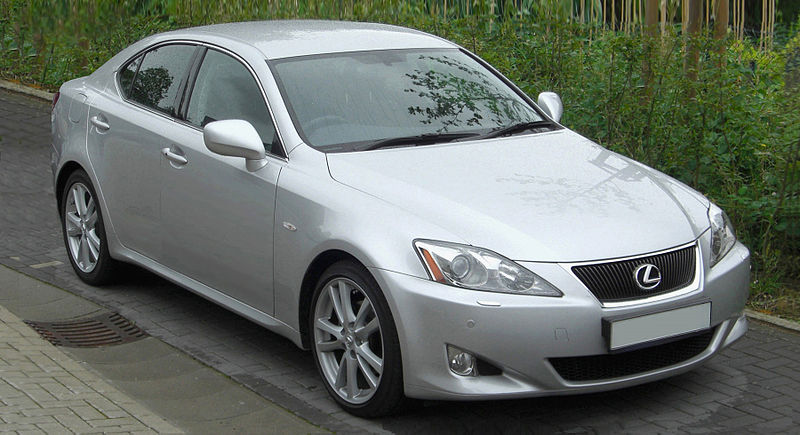
Common Issues In Problematic Is350 Years
Before we look at specific years, it’s helpful to know the most common problems reported by owners and mechanics. Here are a few to watch for:
- Carbon buildup: Some IS350 engines, especially early direct injection models, suffer from carbon buildup. This causes rough idling and lower performance.
- Water pump leaks: Affected years may have water pump failures, leading to overheating and expensive repairs.
- Dashboard melting: Certain years had dashboards made from materials that can melt or become sticky in hot climates.
- Transmission hesitation: Some automatic transmissions hesitate or shift roughly, especially after high mileage.
- Infotainment system glitches: Malfunctions with navigation, touchscreens, or audio systems can be frustrating and costly to repair.
Not every IS350 will have these problems, but some years see them much more often.
Lexus Is350 Years To Avoid
Below, you’ll find detailed information on the IS350 model years that are best avoided. This section covers each year, what problems to expect, and why these years stand out. If you’re considering one of these, it may be wise to look for a different year or inspect the car extra carefully.
2006 Lexus Is350
The 2006 IS350 was the first model year for the second-generation IS. Many buyers were excited by the new look and powerful V6, but several problems became apparent:
- Carbon buildup: Early direct injection engines were prone to carbon deposits, causing misfires and rough running.
- Dashboard melting: The dashboard and door panels could become sticky or melt in hot climates.
- Transmission issues: Some owners reported harsh shifting or delayed engagement.
- Recalls: There were recalls for fuel system problems and airbag inflators.
This year can be tempting due to its price, but the risk of expensive repairs is higher.
2007 Lexus Is350
The 2007 model carried over most of the 2006 features, but it also brought many of the same concerns:
- Interior quality: Dashboard and panel materials still suffered in heat.
- Electrical glitches: Problems with power windows and locks appeared more often this year.
- Engine problems: The carbon buildup issue continued.
If you’re buying a 2007, check for repair records and consider the risk of sticky dash repairs.
2008 Lexus Is350
With 2008, Lexus started addressing some issues, but a few remained:
- Sticky dashboard: The melting and stickiness problems persisted.
- Water pump leaks: Reports of water pump failures increased, leading to overheating if not fixed quickly.
- Navigation system faults: The optional navigation system sometimes froze or restarted on its own.
It’s possible to find well-maintained 2008 models, but these common problems can lead to unexpected expenses.
2009 Lexus Is350
By 2009, some improvements arrived, but not enough to erase concerns:
- Dashboard degradation: The sticky/melting dash was still a problem.
- Engine misfires: Carbon buildup remained an issue, especially for short-trip drivers.
- Paint quality: Some owners noticed premature fading or chipping.
A careful inspection is important if you consider this year, especially in hot or sunny regions.
2010 Lexus Is350
The 2010 IS350 saw some updates, but also repeat complaints:
- Electrical failures: Issues with the infotainment system and dashboard lights were common.
- Water pump: Continued reports of leaks and early failures.
- Recalls: This year was affected by several recalls, including for fuel delivery and airbag problems.
These problems may not affect every car, but they do raise the risk of higher maintenance costs.
2011 Lexus Is350
By 2011, Lexus improved some materials, but trouble spots remained:
- Navigation issues: Some cars had faulty navigation units that required expensive replacements.
- Dashboard stickiness: While improved, some cars still developed soft, sticky surfaces.
- Suspension wear: Owners reported premature suspension bushing wear, leading to clunking sounds.
If you’re looking at a 2011, check for suspension repairs and test all electronics.
2012 Lexus Is350
The 2012 model is often considered better, but a few issues lingered:
- Water pump: Leaks and failures still appeared, though less often.
- Paint chipping: Reports of clear coat peeling or paint chips continued.
- Interior wear: Some owners found early signs of interior trim wear, especially on the steering wheel.
It’s a safer bet than earlier years, but still worth a detailed inspection.
2013 Lexus Is350
In 2013, the IS350 was nearing a new generation, but some problems persisted:
- Infotainment glitches: Some systems froze or lost Bluetooth connection.
- Suspension noise: Continued reports of clunks and rattles.
- Dashboard quality: Fewer complaints, but still not perfect.
This year is less risky, but electronics should be checked carefully.
2014 Lexus Is350
The 2014 IS350 introduced the third generation. While the car was redesigned, new issues appeared:
- Transmission hesitation: Reports of rough or delayed shifting increased.
- Electronic bugs: Infotainment and dashboard glitches were more common as new tech was added.
- Recalls: Some cars were affected by airbag and fuel system recalls.
New technology means new risks. Test drive and check for software updates.
2015 Lexus Is350
By 2015, Lexus was refining the new generation, but some bugs lingered:
- Navigation system: Laggy or freezing screens were reported.
- Climate control issues: Problems with the AC and heater controls.
- Suspension: Noisy bushings and premature wear still surfaced.
A 2015 IS350 can be a great car, but electronic and suspension checks are a must.
How To Spot A Problem Year
If you’re shopping for a used IS350, here’s how to spot a model from a problematic year and what to check:
- Check the VIN: Use the vehicle identification number to confirm the year and check for recalls.
- Inspect the dashboard: Look for stickiness, cracks, or melting—especially in older models.
- Listen during the test drive: Pay attention to clunks, rattles, or delayed shifts.
- Check service records: A well-documented car with repairs for common issues is less risky.
- Test all electronics: Try the navigation, climate control, and audio systems multiple times.
- Look for leaks: Inspect around the water pump and under the engine for signs of coolant.
Many buyers skip these steps and regret it later. A careful inspection can save you thousands of dollars.
What Makes A Lexus Is350 Year Reliable?
Not all IS350s are risky. Some years stand out for their durability, low repair costs, and owner satisfaction. Here’s what makes a good model year:
- Fewer recalls: Reliable years have fewer manufacturer recalls.
- Improved parts: Later years often feature upgraded materials and technology.
- Positive owner reviews: High ratings on forums and review sites signal better reliability.
- Lower repair costs: Less time in the shop means more time on the road.
If you find a well-cared-for IS350 from a good year, it can be a fantastic long-term car.
How The Is350 Compares To Similar Cars
The IS350 competes with other luxury sedans like the BMW 3 Series, Audi A4, and Infiniti Q50. Here’s a quick comparison of reliability and common issues:
| Model | Reliability Score | Common Problems |
|---|---|---|
| Lexus IS350 | 8.5/10 | Water pump, dashboard, infotainment |
| BMW 3 Series | 7/10 | Cooling system, electronics, oil leaks |
| Audi A4 | 6.5/10 | Timing chain, oil consumption |
| Infiniti Q50 | 7.5/10 | Steering, infotainment |
The IS350 often leads in long-term reliability, but the problem years listed above can be exceptions.
Repair Costs: Problem Years Vs. Good Years
Let’s compare average annual repair costs for problematic IS350 years and more reliable ones:
| Model Year | Average Annual Repairs | Typical Issues |
|---|---|---|
| 2006 | $900 | Dashboard, transmission, water pump |
| 2010 | $850 | Electronics, water pump |
| 2015 | $650 | Navigation, suspension |
| 2018 | $400 | Minor electronics |
As you can see, picking a more reliable year can save you hundreds of dollars each year in repairs.
Tips For Buying A Used Lexus Is350
If you’re set on an IS350, here’s how to avoid surprises:
- Get a pre-purchase inspection: A professional mechanic can spot issues you might miss.
- Review the service history: The more records, the better.
- Check for open recalls: Make sure previous recalls were addressed.
- Test all features: Especially infotainment, AC, and power accessories.
- Ask about the dashboard: Sticky or cracked? Replacement can be costly.
- Negotiate repairs: If you find a problem, ask the seller to fix it or lower the price.
Skipping these steps is one of the most common mistakes buyers make.

Non-obvious Insights Most Buyers Miss
- Short-trip driving increases engine problems: Many IS350s with carbon buildup issues belong to drivers who make lots of short trips. These cars don’t get hot enough to burn off deposits. If you mostly drive short distances, this problem is more likely to affect you.
- Sun exposure speeds up interior wear: Cars from hot, sunny states (like Arizona or Florida) are much more likely to have sticky dashboards or faded paint. Always check the car’s history and inspect interior surfaces closely.
- Some recalls are only fixed if requested: Not all IS350 recalls are automatically repaired. Owners must bring the car to the dealer. Always check for open recalls using the VIN, even if the seller says “all recalls done.”
- Aftermarket parts can solve recurring problems: Some owners use upgraded water pumps or dashboard covers to fix common problems for good. Ask if the car has any quality aftermarket upgrades.
- Dealer service isn’t always better: Many independent Lexus specialists are more familiar with IS350 issues than dealers and may offer better repair quality for less money.
What To Do If You Already Own A Problem Year
If you already have an IS350 from a problematic year, don’t worry—many cars run well with proper care. Here’s how to keep it reliable:
- Follow maintenance schedules strictly.
- Clean the intake system every 30,000–50,000 miles to reduce carbon buildup.
- Inspect for leaks regularly.
- Park in shade or use a sunshade to slow dashboard wear.
- Update software for infotainment and transmission if possible.
Many problems are manageable if you act early.
The Bottom Line
The Lexus IS350 is a fun and reliable luxury sedan when you pick the right year. But skipping research or inspection can lead to expensive headaches. The years listed above are best avoided due to higher risk and common problems, while later models offer a safer bet.
Always check repair records, inspect the car carefully, and don’t rush your decision. A little caution now can save you thousands later.
For more detailed recall data, check the official NHTSA website.
Frequently Asked Questions
What Is The Most Reliable Lexus Is350 Year?
The most reliable IS350 years are usually 2017 and newer. These models have fewer reports of major issues and benefit from improved technology and materials.
Are All Early Is350s Risky To Buy?
Not all early IS350s are bad, but 2006–2010 models have more frequent problems like dashboard melting, water pump leaks, and carbon buildup. If you find one with full service history and repairs, it can still be a good buy—but inspect carefully.
How Much Does It Cost To Fix A Sticky Dashboard?
Repairing a sticky dashboard can cost $1,000 to $2,000 if replaced with OEM parts. Some owners use dashboard covers as a cheaper fix, but these may not look as nice.
Does The Is350 Have Transmission Problems?
Some years, especially 2014–2015, have reports of transmission hesitation or rough shifting. These are often software-related and can sometimes be fixed with updates.
Is The Is350 More Reliable Than German Rivals?
Yes, in general, the Lexus IS350 is more reliable than most BMW 3 Series or Audi A4 models. However, maintenance and repair costs can still add up if you buy a problematic year.
A smart, careful approach will help you enjoy the IS350’s strengths while avoiding its weaknesses.