
If you’re thinking about buying a Toyota Highlander, knowing which model years to avoid can save you a lot of headaches and money. Not every Highlander is created equal—some years come with costly problems like transmission troubles, electrical glitches, or premature brake wear.
You want a reliable SUV that feels safe, smooth, and hassle-free on the road. You’ll discover the specific Highlander years that have a history of issues, so you can steer clear of them and find the best model for your needs.
Keep reading to protect your investment and enjoy your drive with confidence.
Best Model Years By Generation
The Toyota Highlander has evolved through several generations since its debut. Each generation brought improvements in design, performance, and features. Some model years stand out for their reliability and overall value.
Choosing the right generation and model year can save money and reduce maintenance issues. This guide highlights the best Highlander years by generation.
First Generation (2001–2007)
The first generation set the foundation for the Highlander’s reputation. The later years, especially 2005 to 2007, are the most reliable. Toyota fixed many early issues, improving engine performance and safety features.
Models from 2005 onward have better transmissions and fewer recalls. They offer solid fuel economy and durable interiors. These years are ideal for budget-conscious buyers.
Second Generation (2008–2013)
The second generation introduced a more modern look and advanced safety tech. The 2011 to 2013 models are the best choices. Toyota enhanced the engine and transmission, reducing common problems.
These years also offer improved ride comfort and better fuel efficiency. Buyers appreciate the stronger build quality and updated infotainment systems.
Third Generation (2014–2019)
This generation brought a complete redesign with more power and technology. The 2016 to 2019 models are highly recommended. They include upgraded safety features like lane assist and adaptive cruise control.
Reliability improved, and hybrid options became more popular. These years provide a smooth ride and spacious interiors, making them great family vehicles.
Fourth Generation (2020–present)
The newest generation focuses on modern tech and comfort. Early models from 2020 and 2021 show promise but watch for minor software updates. The 2022 and newer models have refined features and better fuel economy.
They offer advanced driver assistance systems and improved cabin materials. These years are best for buyers wanting the latest technology with Toyota reliability.
Key Considerations For Buyers
Choosing the right Toyota Highlander requires careful thought. Some model years have more problems than others. Knowing which years to avoid helps buyers make smart decisions. Focus on key factors like early model issues, safety features, and maintenance history. These points guide you toward a reliable Highlander that lasts.
Avoid Early Years
Early Highlander models had more mechanical problems. Transmission issues appeared in some first-generation vehicles. These problems caused rough shifting and delays in gear changes. Avoid models from the earliest years to reduce repair risks. Later models improved with better engineering and fixes.
Safety Features
Safety technology changes year by year. Newer Highlanders include advanced features like lane assist and automatic braking. Older models lack these important safety upgrades. Check which safety systems come with each year. Prioritize models with modern safety to protect yourself and your family.
Maintenance Records
A well-kept maintenance record is a strong sign of care. Vehicles with regular oil changes and inspections last longer. Ask sellers for service history before buying. Avoid cars without clear or complete maintenance documents. Proper upkeep means fewer surprises and lower repair costs.
Transmission Problems By Year
Transmission problems are a major concern for many Toyota Highlander buyers. Some model years have a higher chance of transmission failure and related issues. Knowing which years to avoid can save you money and stress.
This section breaks down transmission problems by year. It highlights early model issues, common complaints, and affected model years. This helps you understand what to watch for when choosing a Highlander.
Early Model Issues
The first generation Highlanders, especially from the early 2000s, had several transmission troubles. Owners reported rough shifting and delayed gear engagement. These issues caused jerking and hesitation during driving. Many early models also experienced transmission fluid leaks, worsening the problem over time.
Common Transmission Complaints
Harsh shifting remains a frequent complaint across several Highlander years. Drivers often mention sudden jerks or slipping gears. Some models show a delay when shifting from park to drive. These symptoms can lead to costly repairs or complete transmission replacement. Regular maintenance helps but does not always prevent these problems.
Affected Model Years
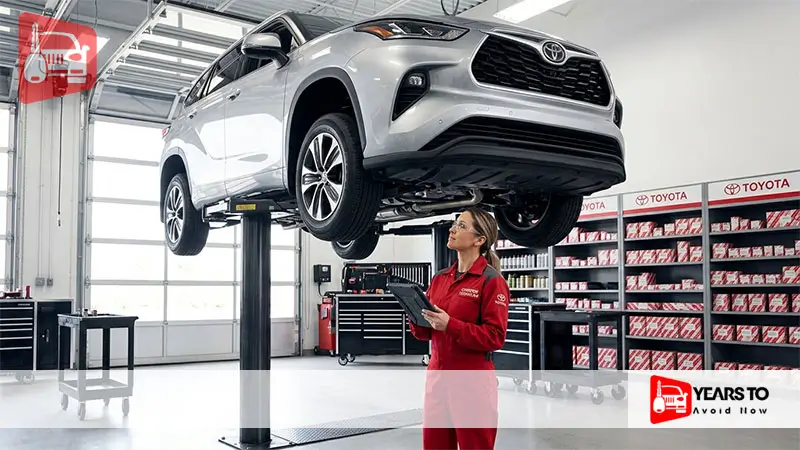
Highlanders from 2001 to 2007 show the highest transmission failure rates. The 2003 to 2005 range is especially known for harsh shifting and transmission breakdowns. Some 2008 and 2009 models also have reported issues but to a lesser extent. Later models after 2010 generally have better transmission reliability.
Common Issues Across Generations
Toyota Highlanders have earned a strong reputation for reliability. Still, some common problems appear across many model years. These issues can affect comfort, safety, and overall ownership experience. Knowing these troubles helps you avoid costly repairs and frustration.
Every generation faces certain recurring flaws. These range from minor annoyances to serious mechanical faults. Buyers should watch for these signs to pick the best Highlander year. Below are three common problems found across multiple generations.
Interior Rattles
Many Highlanders suffer from annoying interior rattles. These noises come from loose panels, trim, or fittings. They increase with time and wear, especially on older models. Rattles spoil the quiet cabin feel and can drive drivers mad on long trips.
Fixing rattles often requires removing and tightening parts. Sometimes, replacing clips or adding insulation helps. While not dangerous, these sounds reduce perceived quality. Choose newer models or well-maintained ones to minimize this issue.
Brake Problems
Brake issues are common in Highlanders of various years. Problems include premature pad wear, noise, and occasional brake judder. Some owners report spongy brake pedals or reduced braking power.
These faults may stem from design flaws or poor maintenance. Regular brake checks and timely pad replacements prevent accidents. Avoid early models with known brake complaints to ensure safety and peace of mind.
Air Conditioning Failures
Air conditioning systems in Highlanders sometimes fail unexpectedly. Common symptoms are weak airflow, strange noises, or no cold air. Leaks in the AC system or failing compressors cause these problems.
Repairs can be expensive and time-consuming. Older Highlanders may require full system overhauls. Test the AC thoroughly before buying and consider model years with improved HVAC components.
Electrical And Software Glitches
Electrical and software glitches can cause headaches for Highlander owners. These issues affect daily driving comfort and vehicle reliability. Certain model years are more prone to these problems. Knowing about these can help you avoid costly repairs and frustration.
Battery Drain
Some Highlander models suffer from rapid battery drain. The vehicle’s electrical system can stay active even after turning off the engine. This drains the battery overnight or during long stops. A weak battery can lead to starting problems and extra replacement costs.
Dashboard Screen Failures
The dashboard screen can stop working or freeze in some Highlander years. This affects the display of important information like speed and warnings. Drivers may lose access to vital controls or alerts. Repairing or replacing these screens can be expensive.
Infotainment System Issues
Infotainment systems in certain Highlander models often face glitches. Problems include unresponsive touchscreens, freezing, and Bluetooth connection failures. These issues reduce convenience and make hands-free phone use difficult. Updates or repairs may be required to fix these bugs.
Engine And Oil Concerns
The Toyota Highlander is known for its reliability, but certain model years face engine and oil issues. These problems can lead to costly repairs and reduced vehicle lifespan. Knowing which years to avoid helps buyers make smarter choices.
Engine and oil concerns often include oil leaks, excessive consumption, and engine noise. These issues affect performance and can cause long-term damage if ignored. Some Highlander years have a higher chance of developing these problems.
Common Engine Problems In Early Highlander Models
Early Highlander models, especially those before 2005, show frequent engine oil leaks. Gaskets and seals wear out faster than expected. Drivers report burning oil and rough engine idling. These problems can cause overheating and reduced fuel efficiency.
Excessive Oil Consumption Issues
Certain Highlander years consume more oil than normal. This means owners must add oil often to avoid damage. Excessive oil use may indicate worn piston rings or valve seals. Models from 2006 to 2010 have more complaints about this problem.
Engine Noise And Rough Running Symptoms
Some Highlanders produce unusual engine noises like ticking or knocking. These sounds suggest internal engine wear or oil starvation. Rough running engines also show poor acceleration and hesitation. These symptoms often appear in models with high mileage and poor maintenance.
Importance Of Regular Oil Changes
Regular oil changes prevent many engine problems. Fresh oil keeps engine parts lubricated and cool. Skipping oil changes leads to sludge buildup and engine wear. Always follow the manufacturer’s recommended oil change schedule for your Highlander.
Tips To Avoid Problematic Models
Choosing the right Toyota Highlander model year can save you stress and extra costs. Some years have more issues than others. These tips help you spot and avoid problematic models. Knowing what to check and where to find reliable info is key. Use these steps to make a smart purchase.
Check Service History
Always ask for the vehicle’s service records. Regular maintenance means the car was cared for. Look for oil changes, brake checks, and transmission service. Missing records can hide neglected repairs. A well-documented history lowers the risk of surprises.
Watch For Recalls
Recalls point to safety or mechanical problems. Visit the official recall website and enter the car’s VIN. Some Highlander models had recalls on airbags, brakes, or engines. Confirm if these issues were fixed before buying. Ignoring recalls can cost more later.
Consult Owner Forums
Owner forums offer real user experiences. Search for Highlander years and common problems. Read about frequent repairs, driving issues, and long-term reliability. Forums reveal hidden flaws that reports may miss. Learn from others to avoid trouble.
Frequently Asked Questions
What Is The Best Year For A Used Highlander?
The best used Toyota Highlander years are 2016 to 2019. These models offer strong reliability and updated safety features. Avoid early 2001-2003 models due to transmission issues. Always prioritize well-maintained vehicles with full service records for the best value and performance.
Which Toyota Highlander Is More Reliable?
The 2014-2019 Toyota Highlander models show strong reliability with fewer transmission issues. Avoid early 2001-2007 models prone to transmission problems. Well-maintained later models, especially 2017-2019, offer durability and better performance. Prioritize full service records for the best reliability.
What Year Do Toyota Highlanders Have Transmission Problems?
Toyota Highlanders from 2001 to 2007 commonly face transmission problems like rough shifting and delayed engagement. Early models especially show these issues.
What Is The Biggest Problem With A Toyota Highlander?
The biggest problem with a Toyota Highlander is transmission issues in older models. Other concerns include interior rattles, electrical glitches, and premature brake wear.
Which Toyota Highlander Years Have The Most Problems?
Early models from 2001 to 2007 often had transmission and engine issues. These years showed more complaints and recalls. Avoiding these can reduce repair risks.
Conclusion
Choosing the right Toyota Highlander year matters for a smooth experience. Some early models had transmission and shifting problems. Always check the vehicle’s maintenance history before buying. A well-kept Highlander beats a low-mileage one without records. Focus on later model years for better reliability and fewer issues.
This approach helps avoid costly repairs and stress. Drive confidently with informed choices about Highlander years to avoid.