
When considering an Audi A3, it is vital to know the Audi A3 years to avoid. This knowledge can save prospective buyers significant time, money, and stress. The Audi A3 is celebrated for its sophisticated design and dynamic performance.
However, not every model year upholds the brand’s high standards of reliability. Certain years have been associated with recurring mechanical or electrical issues.
Identifying these problematic years is crucial for making a smart investment.
This comprehensive guide will help you navigate the various generations and pinpoint which Audi A3 models might lead to unexpected expenses.
Our aim is to empower you with the information needed to purchase a reliable and enjoyable vehicle.
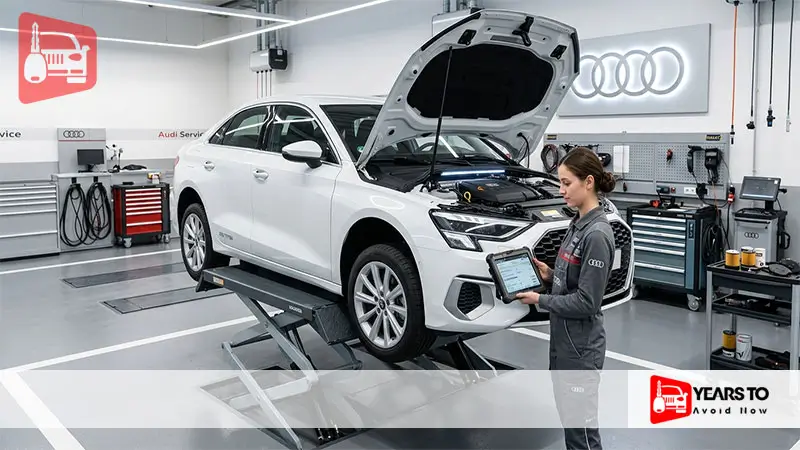
Understanding the Audi A3 Generations and Common Issues
The Audi A3 has evolved through several distinct generations since its introduction. Each generation brought new technologies and designs.
However, some of these innovations also introduced new potential vulnerabilities. Familiarizing yourself with these generational shifts helps contextualize common problems.
First Generation (Typ 8L: 1996-2003)
The original Audi A3 laid the groundwork for its success. It was based on the Volkswagen Golf Mk4 platform.
While generally robust, early models can suffer from age-related wear.
Common issues for this generation include:
- Electrical System Glitches: Faulty window regulators, central locking issues, and dashboard light malfunctions.
- Suspension Components: Worn bushings and shock absorbers, leading to a less stable ride.
- Rust: Especially on older models in areas with harsh winters or road salt.
- Engine Sensors: Mass Air Flow (MAF) sensors and oxygen sensors can fail, affecting performance and fuel economy.
These issues are often tied to the vehicle’s age rather than inherent design flaws.
However, they can still be costly to repair.
Second Generation (Typ 8P: 2003-2013) – Key Audi A3 Years to Avoid
The 8P generation saw significant advancements and a wider range of engines. This period also introduced some of the more commonly cited problematic years.
Several specific Audi A3 years to avoid fall within this generation, particularly the early to mid-2000s models.
2006-2008 Audi A3: DSG Transmission Concerns
The introduction of the Direct-Shift Gearbox (DSG) was a game-changer for performance. However, early iterations of the DSG (specifically the 6-speed wet-clutch DQ250) were not without their troubles.
Many owners reported issues with the mechatronic unit, a complex control module. Symptoms included harsh shifting, hesitation, and complete transmission failure. Repairs for these issues can be extremely expensive, often costing thousands of dollars.
Clutch pack wear was also accelerated in some cases, especially in vehicles used for frequent city driving.
2008-2010 Audi A3: TSI Engine Oil Consumption and Timing Chain Issues
Certain 2.0L TFSI (Turbo Fuel Stratified Injection) engines, particularly those with engine codes like ‘CAEB’ or ‘CCTA’, were notorious. These engines were known for excessive oil consumption. This often indicated worn piston rings or other internal engine wear. Owners frequently had to top off oil between scheduled changes. Another major concern was the timing chain tensioner design. A faulty tensioner could lead to timing chain slack, causing catastrophic engine damage if not addressed. Regular maintenance alone sometimes could not prevent these issues.
A pre-purchase inspection focusing on engine health is paramount for these years.
Other Common Issues Across the 8P Generation (2003-2013)
Beyond the major engine and transmission concerns, other problems emerged. These issues, while less severe, contribute to the overall reliability profile.
- Electrical Gremlins: Similar to the first generation, but also including issues with infotainment systems and various sensors.
- PCV Valve Failure: The Positive Crankcase Ventilation (PCV) valve is a common failure point in TFSI engines. It can lead to rough idling, oil leaks, and check engine lights.
- Carbon Buildup: Direct injection engines are prone to carbon buildup on intake valves. This reduces performance and fuel efficiency over time. Regular cleaning (walnut blasting) is often required.
- Turbocharger Issues: Wastegate actuator failure or turbocharger bearing wear can occur, especially in higher mileage vehicles.
- Fuel Pump Problems: Both the low-pressure and high-pressure fuel pumps can fail, leading to starting issues or power loss.
Careful consideration of these potential problems is essential when looking at an A3 from this era.
Third Generation (Typ 8V: 2013-2020) – Generally More Reliable, But Watch Out For Early Models
The 8V generation marked a significant improvement in overall reliability. Audi addressed many of the issues present in the previous generation. However, even this generation has a few minor points to consider.
2014-2015 Audi A3: Initial Software and Minor Glitches
Early models of the 8V generation, specifically 2014 and 2015, sometimes experienced minor software bugs. These could affect the infotainment system, driver assistance features, or instrument cluster. Most of these issues were resolved with software updates during routine servicing. Some owners also reported minor rattles or squeaks in the cabin. These are often less critical than the mechanical failures of earlier generations.
Slightly Increased Oil Consumption in Some TFSI Engines
While not as severe as the 8P generation, some 8V TFSI engines might still consume a bit of oil. This is often within manufacturer specifications and not indicative of a major problem. Regular oil level checks are still recommended, especially for turbocharged engines. Overall, the 8V generation is a much safer bet when trying to avoid problematic Audi A3 years.
Fourth Generation (Typ 8Y: 2020-Present)
The latest generation of the Audi A3 continues to build on the reliability of its predecessor. Being newer, there are fewer long-term reliability reports available. Initial feedback suggests strong performance and minimal widespread issues. However, as with any new model, early production runs can sometimes have minor teething problems. These are typically addressed through warranty repairs and subsequent model year refinements.
Beyond the Audi A3 Years to Avoid: What to Look For When Buying Used
Even if you avoid the most problematic years, a thorough inspection is always necessary. A used car’s condition depends heavily on its maintenance history and how it was driven.
Comprehensive Service History
Always request a full service history for any Audi A3 you consider. Look for evidence of regular oil changes, transmission fluid changes (especially for DSG models), and other scheduled maintenance. Missing service records can be a red flag, indicating neglect. Audi dealerships or reputable independent specialists should have performed the work.
Pre-Purchase Inspection (PPI)
A Pre-Purchase Inspection by a trusted, independent mechanic is non-negotiable. Ideally, choose a mechanic familiar with Audi vehicles. They can identify potential issues that are not immediately obvious to the untrained eye. A PPI can uncover costly problems like suspension wear, fluid leaks, or hidden electrical faults. It provides peace of mind and negotiation leverage.
Check for Recalls
Verify if the vehicle has any outstanding recalls from the manufacturer. Audi, like all automakers, issues recalls to fix safety or performance defects. A quick search using the VIN on the NHTSA website or Audi’s official site can provide this information. Ensure all recall work has been completed.
Test Drive Experience
During your test drive, pay close attention to several key areas:
- Engine Performance: Listen for unusual noises, check for smooth acceleration, and ensure no warning lights appear.
- Transmission: Feel for smooth shifts, no hesitation, or clunking noises, especially with DSG models.
- Brakes: Ensure they are firm and responsive, without pulling or grinding.
- Suspension: Drive over bumps to check for excessive bouncing or strange noises.
- Electricals: Test all lights, windows, air conditioning, and infotainment features.
Any unusual behavior should prompt further investigation.
Mileage and Wear
Higher mileage vehicles, regardless of year, will naturally have more wear and tear. However, a well-maintained high-mileage car can be a better buy than a low-mileage neglected one. Examine the interior for signs of excessive wear on seats, steering wheel, and pedals.
These can indicate the car’s true usage and care level.
What Makes a Specific Audi A3 Year “Bad”?
The designation of “bad” years for an Audi A3 typically stems from several factors. These factors often lead to higher ownership costs and frustration for drivers.
Manufacturing Defects
Sometimes, a particular batch of components or an assembly process can be flawed. This leads to widespread failures in a specific model year.
Examples include the early DSG mechatronic units or timing chain tensioners.
Design Flaws
Certain engine designs, like the piston ring issues in some TFSI engines, can be inherently problematic. These flaws may not become apparent until several years into ownership.
They often require expensive, engine-out repairs.
Software Bugs
Modern cars rely heavily on complex software systems. Early versions of these systems can contain bugs that affect performance or features.
While often fixable with updates, they can be annoying and time-consuming.
Cost of Repairs
Even if a problem is not widespread, the cost of repairing an Audi can be significant. This is especially true for major components like transmissions or engine internals.
A year with known expensive common failures is generally one to approach with caution.
Reliable Audi A3 Years: Which Ones to Consider
While we focused on the Audi A3 years to avoid, it’s also important to highlight the reliable ones. Generally, later models within each generation tend to be more refined.
Later 8P Generation (2011-2013)
By the end of the 8P generation, Audi had largely ironed out the major kinks. Improved DSG units and revised TFSI engines offered better reliability.
These years can represent good value if well-maintained.
Third Generation (Typ 8V: 2016-2020)
The sweet spot for reliability and modern features is often found in the later 8V models. These vehicles benefit from updated engines, refined transmissions, and more mature technology.
They offer a strong balance of performance, luxury, and dependable operation.
Fourth Generation (Typ 8Y: 2020-Present)
For those seeking the latest technology and highest levels of safety, the 8Y generation is excellent. As newer models, they come with manufacturer warranties and the most advanced features.
While long-term data is still accumulating, initial reports are highly positive.
Frequently Asked Questions
Which Audi A3 years are generally considered the most reliable?
The Audi A3 models from 2011-2013 (late 8P generation) and 2016-2020 (later 8V generation) are generally considered more reliable. These years benefited from improvements to engines and transmissions, addressing issues found in earlier models.
What are the most common problems to look out for in problematic Audi A3 models?
Common problems in less reliable Audi A3 years include issues with the DSG transmission’s mechatronic unit, excessive oil consumption in certain TFSI engines, timing chain tensioner failures, and carbon buildup on intake valves. Electrical glitches and PCV valve failures are also frequently reported.
How can I check an Audi A3’s service history?
You should always ask the seller for a complete service history. This includes receipts and records from Audi dealerships or certified independent mechanics. Additionally, you can often get a vehicle history report (like CarFax or AutoCheck) using the VIN, which may detail service entries and recall completions.
Is it expensive to maintain an Audi A3?
Maintaining an Audi A3 can be more expensive than maintaining a non-luxury compact car. Parts and labor for European luxury vehicles are generally higher. However, choosing a reliable model year and following a strict maintenance schedule can help keep costs manageable.
What should I look for during a pre-purchase inspection of a used Audi A3?
During a pre-purchase inspection, a mechanic should check the engine for leaks, unusual noises, and oil consumption. They should also inspect the transmission for smooth shifting, test all electrical components, examine the suspension for wear, and look for any signs of rust or accident damage. Pay special attention to known issues for the specific model year.
Are newer Audi A3 models more reliable than older ones?
Generally, yes, newer Audi A3 models tend to be more reliable. Audi has progressively refined its engineering and addressed past issues with each new generation. The 8V (2013-2020) and 8Y (2020-present) generations show significant improvements in reliability compared to earlier models.
Conclusion
Navigating the used car market requires diligence, especially when considering a premium vehicle like the Audi A3. By understanding the Audi A3 years to avoid, you can significantly reduce your risk of purchasing a problematic car. The 2006-2010 period, particularly due to early DSG transmission and certain TFSI engine issues, warrants extra caution. Prioritize models from the later 8P generation (2011-2013) or the 8V generation (2016-2020) for a more reliable experience. Always combine this knowledge with a thorough service history review and a professional pre-purchase inspection.
Making an informed decision ensures your Audi A3 ownership experience is one of pleasure and performance, not unexpected repairs.
Invest wisely to enjoy the sophisticated driving dynamics Audi is known for.