
Are you considering an Acura TSX but want to ensure a wise purchase? Knowing the specific Acura TSX years to avoid is crucial for any potential buyer.
Certain model years of this popular sedan have been reported to experience common mechanical issues, which can lead to unexpected repair costs and significant frustration.
This comprehensive guide will help you identify the problematic TSX models, allowing you to make a confident decision and drive away with a reliable vehicle.
Understanding the Acura TSX Generations and Why Some Years Are Problematic
The Acura TSX was produced across two distinct generations, each with its own set of characteristics and potential pitfalls.
Understanding these generations helps in pinpointing the Acura TSX years to avoid based on reported reliability concerns.
Early models of any car can sometimes have “first-year” bugs, while later models might introduce new components that develop issues.
First Generation Acura TSX (2004-2008)
The first generation TSX quickly gained a reputation for being a sporty and reliable compact executive car.
However, even within this generally robust lineup, some specific issues emerged that potential buyers should be aware of.
Identifying these can help you avoid certain Acura TSX years to avoid within this generation.
Common Issues in the 2004-2008 TSX Models
While many first-gen TSXs are still running strong, a few recurring problems have been noted.
These issues, while not universal, are worth investigating when considering a used model.
- VTC Actuator Noise: This is a common complaint, particularly in the 2004-2006 models. Owners might hear a loud grinding or rattling noise during a cold start.
- Power Steering Pump Leaks: Some models, especially the 2004 and 2005 years, were prone to power steering pump leaks. This can lead to a loss of power steering fluid and difficult steering.
- Excessive Oil Consumption: While less prevalent than in the second generation, some 2004-2006 TSX models with the K24A2 engine have reported higher-than-normal oil consumption.
- A/C Compressor Failure: The air conditioning compressor can fail prematurely in some vehicles from this era, leading to expensive repairs.
For these reasons, the Acura TSX years to avoid or at least approach with caution in the first generation would primarily be the 2004 and 2005 models, with the 2006 also showing some of these tendencies.
Thorough pre-purchase inspections are highly recommended for any vehicle from these years.
Second Generation Acura TSX (2009-2014)
The second generation TSX saw a redesign, offering more interior space and updated styling.
It continued to be offered with the 2.4L four-cylinder engine and later introduced a 3.5L V6 option.
However, this generation also introduced some new challenges, making certain Acura TSX years to avoid more pronounced.
Key Problematic Acura TSX Years to Avoid (2009-2014)
The most significant and widely reported issue in the second generation concerns the 2.4L K24Z3 engine.
This problem primarily affects specific years and is a major factor when considering which Acura TSX years to avoid.
- Excessive Oil Consumption (2009-2011): This is arguably the most notorious issue for the second-generation 2.4L models. Many owners reported significant oil loss between oil changes, sometimes requiring a quart or more every 1,000 miles. This can lead to engine damage if not carefully monitored and topped off.
- VTC Actuator Issues (2009-2011): Similar to the first generation, the VTC actuator can become noisy, especially on cold starts. While not always a critical failure, it’s an annoying and potentially costly repair.
- Automatic Transmission Problems (2009-2010): Some early second-generation models, particularly the 2009 and 2010 years, have reported issues with the automatic transmission, including harsh shifts or premature failure.
- Brake Wear: While not a critical mechanical failure, some owners complained about faster-than-average brake pad and rotor wear, especially on the early second-gen models.
Based on these pervasive issues, the Acura TSX years to avoid in the second generation are primarily the 2009, 2010, and 2011 models, especially if equipped with the 2.4L four-cylinder engine.
The excessive oil consumption issue, in particular, can be a major headache and expense.
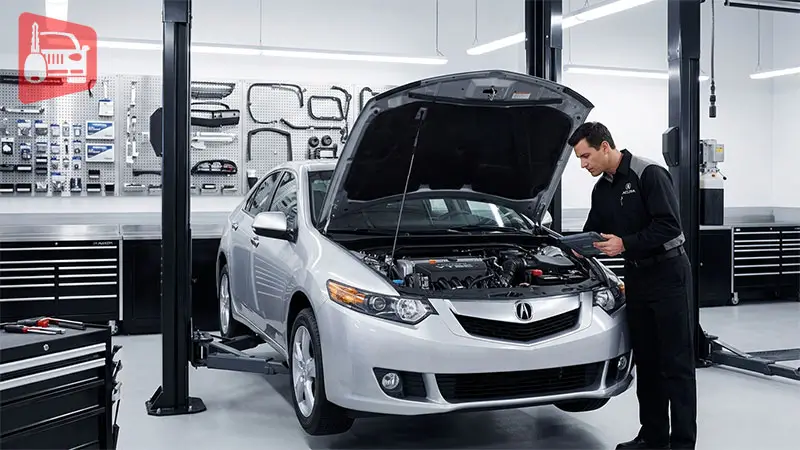
Detailed Look at Specific Issues and Their Impact
Understanding the nature of these common problems can further clarify why certain Acura TSX years to avoid are highlighted.
Knowing what to look for can help you identify a potentially problematic vehicle before purchase.
Excessive Oil Consumption
This issue primarily affects the 2009-2011 2.4L K24Z3 engines.
The problem stems from piston rings that can become clogged or improperly seated, leading to oil bypassing into the combustion chamber.
Symptoms include frequently needing to add oil, a burning oil smell, and potentially fouled spark plugs.
If left unaddressed, severe oil consumption can lead to premature engine wear or even catastrophic failure.
Acura did issue a technical service bulletin (TSB 12-048) and extended warranty for some vehicles, but many may no longer be covered.
VTC Actuator Noise
The Variable Timing Control (VTC) actuator is a component in the engine that adjusts camshaft timing.
When it fails, it often produces a loud grinding or rattling noise for a few seconds immediately after a cold start.
While not immediately dangerous, it can be irritating and indicates a part that will eventually need replacement.
This issue is prevalent across both generations but seems more widely reported in early models of each.
Power Steering Pump Leaks
In the first generation, particularly the 2004-2005 models, power steering pump leaks were a common occurrence.
Symptoms include a whining noise when turning the steering wheel, difficulty steering, or visible fluid leaks under the front of the car.
Replacing the pump and associated hoses can be a moderately expensive repair.
Automatic Transmission Issues
While generally reliable, some owners of 2009-2010 TSXs reported issues with the 5-speed automatic transmission.
These could range from harsh shifts, delayed engagement, or in rare cases, complete failure.
Transmission repairs are among the most expensive vehicle repairs, making these Acura TSX years to avoid or scrutinize carefully.
Which Acura TSX Years are Most Reliable?
If you’re looking to purchase an Acura TSX, knowing which years are generally considered reliable is just as important as knowing the Acura TSX years to avoid.
Later models in each generation often benefit from refinements and fixes to earlier issues.
Recommended First Generation TSX Years (2006-2008)
The 2006, 2007, and 2008 models of the first generation are generally considered more robust.
Acura had time to iron out some of the initial kinks from the 2004 and 2005 models.
These years still offer the classic TSX driving dynamics with fewer reported widespread issues.
Recommended Second Generation TSX Years (2012-2014)
For the second generation, the 2012, 2013, and 2014 models are often recommended.
By 2012, many of the oil consumption issues in the 2.4L engine were reportedly mitigated or less common.
These later models also benefit from any incremental improvements made during the production run.
The V6 models (2010-2014) are generally considered reliable and do not suffer from the same oil consumption issues as the 2.4L engine.
Tips for Buying a Used Acura TSX (Regardless of Year)
Even when considering the more reliable years, it’s crucial to perform due diligence.
A car’s maintenance history and previous owner care play a huge role in its longevity.
- Get a Pre-Purchase Inspection (PPI): This is the most important step. Have a trusted independent mechanic inspect the vehicle thoroughly, especially focusing on the engine, transmission, and power steering system.
- Check Service Records: Look for evidence of regular oil changes, transmission fluid changes, and any major repairs or recalls addressed.
- Test Drive Extensively: Pay attention to engine noises (especially on cold start), transmission shifts, and steering feel. Drive at various speeds and conditions.
- Monitor Oil Level: If you’re considering a 2009-2011 2.4L model, ask the seller about oil consumption and check the dipstick. If possible, monitor it over a few days.
- Check for Recalls: Ensure all outstanding recalls have been addressed.
By following these steps, you can significantly reduce your risk, even with the Acura TSX years to avoid.
Frequently Asked Questions
What are the most common problems with the Acura TSX?
The most common problems depend on the generation. First-gen (2004-2008) often had VTC actuator noise and power steering leaks. Second-gen (2009-2014), particularly 2.4L models from 2009-2011, are notorious for excessive oil consumption and VTC actuator issues.
Is the Acura TSX a reliable car overall?
Yes, generally the Acura TSX is considered a reliable car, especially when well-maintained and avoiding the specific problematic years. It’s known for its strong Honda engineering, good fuel economy, and enjoyable driving dynamics.
Does the 2012 Acura TSX have oil consumption issues?
The 2012 Acura TSX (2.4L engine) is less prone to the severe oil consumption issues seen in the 2009-2011 models. While some engines may still consume a minor amount of oil, it is generally not considered excessive compared to earlier years.
What engine is in the problematic Acura TSX models?
The primary engine associated with the excessive oil consumption issue in the second generation is the 2.4-liter K24Z3 four-cylinder engine, found in models from 2009 to 2011.
Are Acura TSX V6 models more reliable than the 4-cylinder?
Acura TSX V6 models (available from 2010-2014) are generally considered very reliable and do not suffer from the same widespread oil consumption issues as the 2.4L four-cylinder engine. They offer more power with robust performance.
How can I check if a used Acura TSX has issues before buying?
Always get a pre-purchase inspection by a trusted mechanic, review detailed service records, and conduct a thorough test drive. Pay close attention to engine noises, transmission shifts, and check the oil level carefully.
Conclusion
Making an informed decision when buying a used car is paramount. While the Acura TSX is a highly regarded vehicle, understanding the Acura TSX years to avoid can save you from future headaches and unexpected expenses.
Specifically, approach the 2004, 2005, 2009, 2010, and 2011 models with extra caution, especially if they have the 2.4L engine in the latter years.
Focus on models from 2006-2008 for the first generation, or 2012-2014 (including V6 options) for the second generation, as these are generally considered more reliable.
Always prioritize a comprehensive pre-purchase inspection and a detailed review of service records to ensure you drive away with a well-maintained and dependable Acura TSX.
Your journey to owning a great Acura starts with smart research and careful selection.