
Many people look at the Acura RDX when searching for a reliable, luxury compact SUV. Acura, the luxury arm of Honda, is known for building vehicles that last. The RDX offers sporty handling, a comfortable ride, and lots of features. But like any car, not every year is perfect. If you are thinking about buying a used Acura RDX, it is important to know which years are best to avoid. This knowledge can help you save money, avoid frustration, and enjoy your SUV for years.
Some Acura RDX models have had more problems than others. Issues like engine trouble, transmission faults, and electrical glitches have appeared in certain years. On the other hand, some model years have a strong reputation for durability and owner satisfaction. Let’s dive deep into which Acura RDX years you should avoid, why these problems happened, and how to make a smart choice when shopping for this popular SUV.
What Makes A “bad” Acura Rdx Year?
Not every problem means a car year is bad. To judge fairly, we look at:
- Reliability ratings from sources like Consumer Reports and J.D. Power
- Owner complaints on sites like CarComplaints.com and NHTSA
- Recalls and technical service bulletins (TSBs)
- Repair costs and how often repairs are needed
A model year with many serious issues, expensive fixes, and lots of owner complaints is usually one to avoid. However, a single recall or a minor problem that was quickly fixed may not be a reason to skip that year.
Acura Rdx Generations And Key Changes
The RDX has seen several updates since its launch:
| Generation | Years | Main Features |
|---|---|---|
| First | 2007-2012 | Turbocharged 4-cylinder, SH-AWD |
| Second | 2013-2018 | V6 engine, improved ride, more tech |
| Third | 2019-present | Turbocharged 4-cylinder returns, new platform, updated tech |
Each generation brought updates and changes that affected performance, comfort, and reliability.
Acura Rdx Years To Avoid
Now, let’s look at the specific Acura RDX years to avoid and why.
2007-2008: The Problematic Debut
The very first RDX model years (2007 and 2008) had growing pains. Acura introduced a turbocharged 2.3L engine with SH-AWD (Super Handling All-Wheel Drive). While the idea was exciting, several issues appeared:
- Turbocharger failures: Owners reported that the turbo system could fail, leading to expensive repairs (often $2,000 or more).
- Engine stalling and hesitation: Some drivers experienced sudden loss of power or rough idling, often related to sensor problems or carbon buildup.
- High repair costs: Early models had more frequent and costly repairs compared to later years.
- Transmission issues: Some reports of harsh shifting or hesitation.
These problems led to a lot of frustration for owners. Many repairs came after the warranty expired, leaving owners with big bills.
2010-2012: Unresolved Engine And Electrical Issues
While some improvements were made after the first two years, 2010–2012 RDXs still saw a fair share of issues:
- Check engine lights: Persistent and tricky to diagnose, often linked to the turbo or emission system.
- Electrical gremlins: Problems with the navigation system, climate controls, and power accessories.
- Oil consumption: Some owners noted that the engine burned more oil than expected, which could lead to engine wear if unchecked.
These years are not as bad as 2007–2008, but they still stand out in owner complaint records. Repairs were less severe, but the number of small problems made ownership annoying for many.
2013: The First V6 Year Stumbles
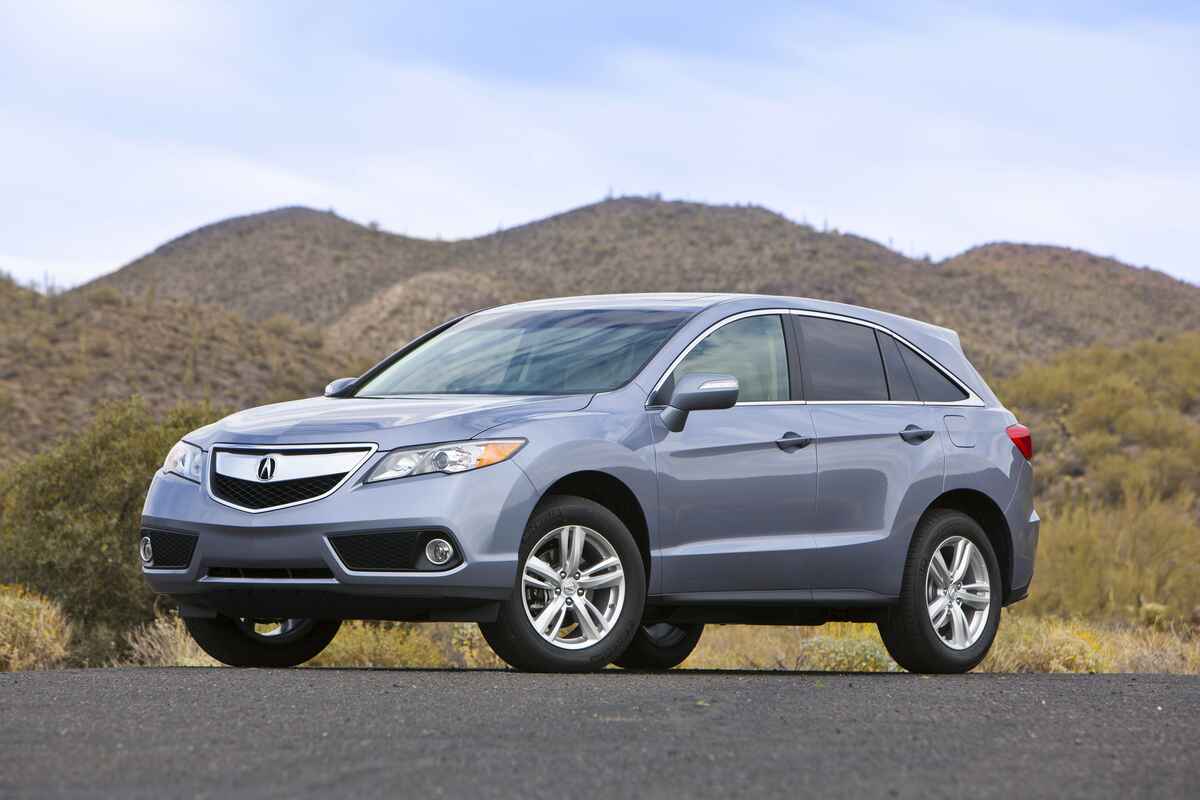
2013 was the start of the second generation RDX, and it brought a big change: a switch to a naturally aspirated 3.5L V6 engine. While this engine was smoother and more powerful, new problems appeared:
- Transmission hesitation: Many owners reported that the transmission hesitated when shifting, especially from first to second gear.
- Electronics problems: Early infotainment systems could freeze or reboot, and some users had issues with backup cameras.
- Suspension complaints: Some drivers found the ride too soft, and there were reports of premature wear on suspension components.
Acura improved these issues in later years, but the 2013 model had more headaches than most.
2019: New Generation, New Issues
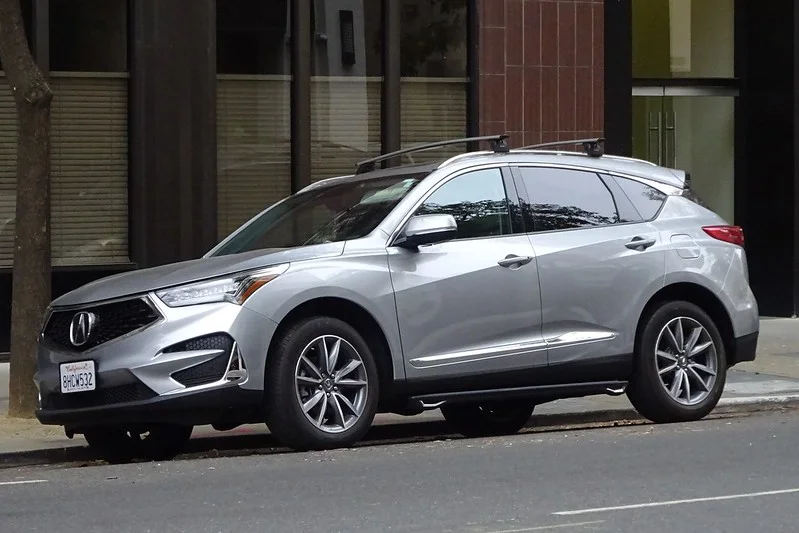
The 2019 RDX marked the start of the third generation and a return to a turbocharged 2.0L engine. It also introduced a new 10-speed automatic transmission and a new infotainment system. Unfortunately, being the first year of a redesign, it had several teething problems:
- Transmission trouble: The 10-speed automatic could be jerky, slow to respond, or even fail completely in rare cases.
- Infotainment frustrations: Many owners disliked the new True Touchpad Interface, which was slow and buggy at launch.
- Electrical problems: Early models had issues with sensors, cameras, and some driver-assist features.
- Noise and build quality: Some users reported excessive wind noise and rattles, which are unusual for Acura.
These problems led to a spike in complaints and several technical service bulletins. Later model years saw improvements, but the 2019 is considered risky unless you know it’s had all updates.
Why Do These Years Stand Out?
Not every used RDX from a “bad” year is guaranteed to have problems. However, the years above show a clear pattern:
- First model years often have more bugs as new technology is introduced.
- Major redesigns can bring new features but also new problems.
- Turbocharged engines (especially early ones) are more sensitive to neglect and can be expensive to fix.
It’s also important to note that some problems, like infotainment glitches, may simply be annoying, while others (like transmission failures) can be very costly.
Common Acura Rdx Problems By Year
To help you see the patterns, here’s a quick overview of the most reported issues by model year:
| Year | Most Common Problems | Estimated Repair Cost |
|---|---|---|
| 2007–2008 | Turbo failure, engine stalling, transmission issues | $1,500–$3,000 |
| 2010–2012 | Check engine light, electrical, oil consumption | $300–$1,200 |
| 2013 | Transmission hesitation, infotainment, suspension | $500–$2,000 |
| 2019 | Transmission, infotainment, electronics | $1,000–$4,500 |
This table shows not just the main problems, but also the typical cost to fix them. Some repairs (like turbo failure) are especially expensive.
Good Acura Rdx Years: Safer Choices
While some years should be avoided, others are known for reliability and owner satisfaction. If you are looking for a used RDX, consider these years:
- 2014–2018: Most problems from earlier years were solved. Owners report a smooth ride, strong V6 engine, and few major issues.
- 2020–present: Acura addressed most of the 2019 issues. Reviews show improved reliability, especially for the transmission and infotainment system.
Of course, any used car can have problems, but these years are statistically safer.
What To Look For When Buying A Used Acura Rdx
If you are set on buying an RDX, here are some tips to get the best experience:
- Check service history: Make sure the car was maintained. Regular oil changes and timely repairs are especially important for turbocharged engines.
- Test all electronics: Try the infotainment, navigation, backup camera, and any driver-assist features. Glitches can be expensive to fix.
- Listen for noises: On a test drive, listen for rattles, wind noise, or clunks from the suspension.
- Look for recalls: Search the VIN on the NHTSA website to see if all recalls have been completed.
- Get a pre-purchase inspection: A trusted mechanic can spot hidden problems and tell you what repairs might be coming soon.
These steps can help you avoid the mistakes many first-time buyers make, like skipping the inspection or assuming all Acuras are problem-free.

Hidden Risks: What Most Buyers Miss
There are a few insights about used Acura RDX models that even experienced buyers can miss:
- Turbocharged engines need special care: Early RDXs with turbos are more sensitive to oil quality and maintenance. If the previous owner skipped oil changes or used the wrong oil, the turbo can fail early. Always check service records and avoid cars without proof of regular care.
- Infotainment system repairs add up: Many buyers focus on engines and transmissions but ignore the cost of fixing navigation or audio system problems. Out-of-warranty repairs on these systems can cost over $1,000 and are hard to do yourself.
- Not all recalls are equal: Some recalls fix minor safety issues, but others (like those for transmission or braking systems) are much more serious. Make sure you know what recalls have been done and what they were for.
Acura Rdx Vs. The Competition
How does the RDX compare to other compact luxury SUVs? Here’s a quick side-by-side look at reliability and common issues:
| Model | Known Issues | Reliability (out of 5) |
|---|---|---|
| Acura RDX | Turbo/Transmission (early years), electronics (2019) | 3.5 |
| Lexus NX | Infotainment quirks, minor engine noise | 4.5 |
| BMW X3 | Cooling system, oil leaks, electronics | 3 |
| Audi Q5 | Timing chain, fuel system, electronics | 3 |
| Mercedes GLC | Transmission, suspension, electronics | 3 |
The RDX scores well, but it is not as bulletproof as the Lexus NX. It is, however, less risky than some German rivals, which often have more expensive repairs.
Should You Avoid All “bad” Years Completely?
It is possible to find a well-cared-for RDX from a year with a bad reputation, but you must be extra careful. Sometimes, a previous owner fixed all known issues or the car was lightly driven. However, the risk is higher, and resale value may be lower in the future.
If you get a great deal on a 2013 or 2019 RDX, check that all recalls and service bulletins have been addressed. Avoid cars with a spotty maintenance record or signs of rushed repairs.
Maintenance Tips To Extend Rdx Life
If you already own or plan to buy a used RDX, there are steps you can take to avoid the most common problems:
- Change oil on time: Especially important for turbocharged engines. Stick to Honda/Acura’s oil recommendations.
- Use high-quality fuel: Turbos and direct-injection engines work best on premium gas. Cheap fuel can cause knocking or carbon build-up.
- Update software: Infotainment and transmission issues are sometimes fixed by a software update. Acura dealers can help.
- Check and replace fluids: Don’t forget about transmission and differential fluids. These are often ignored but crucial for long-term health.
- Watch for warning signs: If you see warning lights, feel rough shifting, or notice odd sounds, get the car checked quickly. Small problems can become big ones if ignored.
By following these steps, you can avoid many of the headaches that come with the problematic RDX years.
Frequently Asked Questions
What Is The Most Reliable Acura Rdx Year?
The 2016 and 2018 RDX models are widely seen as the most reliable. They have few major complaints, strong engines, and reliable electronics.
Are Turbocharged Rdx Models Less Reliable Than V6 Models?
Generally, early turbocharged RDXs (2007–2012) had more problems than the later V6 models (2013–2018). Turbo engines need more careful maintenance and can be expensive to fix if neglected.
Should I Avoid Buying A First-year Redesign Like The 2019 Rdx?
First-year redesigns often have more issues as new features are tested in real-world use. The 2019 RDX had more complaints about transmission and electronics than later years. If you choose a 2019, make sure all recalls and updates have been completed.
How Expensive Is It To Fix Common Acura Rdx Problems?
Repair costs vary. Turbo or transmission repairs can run $2,000–$4,500. Electrical or infotainment fixes are often $500–$1,500. Maintenance costs are average for a luxury SUV, but major repairs can be pricey if the car is out of warranty.
Where Can I Check If An Acura Rdx Has An Open Recall?
You can check for recalls using the VIN at the NHTSA recall website. This site is official and free to use.
Finding the right Acura RDX means knowing which years to avoid and why. By doing your research and following smart buying steps, you can enjoy this luxury SUV without the headaches. Remember, a little extra care up front can save you thousands later.