
The Acura TSX has been a popular choice for drivers who want a blend of luxury, reliability, and sporty handling—all at a reasonable price. Launched in 2004, the TSX was Acura’s answer to the European sedan market, offering sharp styling, responsive engines, and a comfortable ride.
But like many used cars, not every year is equal. Some Acura TSX models stand out for their dependability, while others have common issues that can cost owners time and money. If you’re thinking about buying a used TSX, knowing which years to avoid is essential to make a smart choice.
This guide will help you understand the problematic years of the Acura TSX, why those years struggled, and what years are more reliable. You’ll also get practical advice about buying a TSX, tips for inspecting used models, and answers to the most common questions buyers have.
Whether you’re a first-time buyer or a car enthusiast, this article will help you feel confident before you make your decision.
Acura Tsx Overview: What Makes It Popular
The Acura TSX was designed to combine Japanese reliability with European driving dynamics. It’s a compact sedan, smaller than the Acura TL, but larger than the Honda Civic. The TSX shares its platform with the Honda Accord (European version), which helps it deliver a smooth ride and crisp handling. Key features include:
- 2.4-liter four-cylinder engine (2004–2010): Known for being reliable and fun to drive.
- 3.5-liter V6 engine (2010–2014): Offers more power, but adds complexity.
- Luxury interior: Leather seats, premium audio, and advanced safety features.
- Sporty suspension: Gives the TSX a responsive feel.
Drivers love the TSX for its affordable luxury, strong resale value, and reputation for lasting over 200,000 miles with proper care. However, some years have proven less reliable than others.
Acura Tsx Generations And Model Years
The TSX was produced in two main generations:
| Generation | Model Years | Major Changes |
|---|---|---|
| First Generation | 2004–2008 | Original design, 2.4L engine, manual/automatic transmission |
| Second Generation | 2009–2014 | Redesign, larger body, V6 option (from 2010), improved tech |
Each generation brought improvements, but also new issues. Understanding which years to avoid is key for buyers.
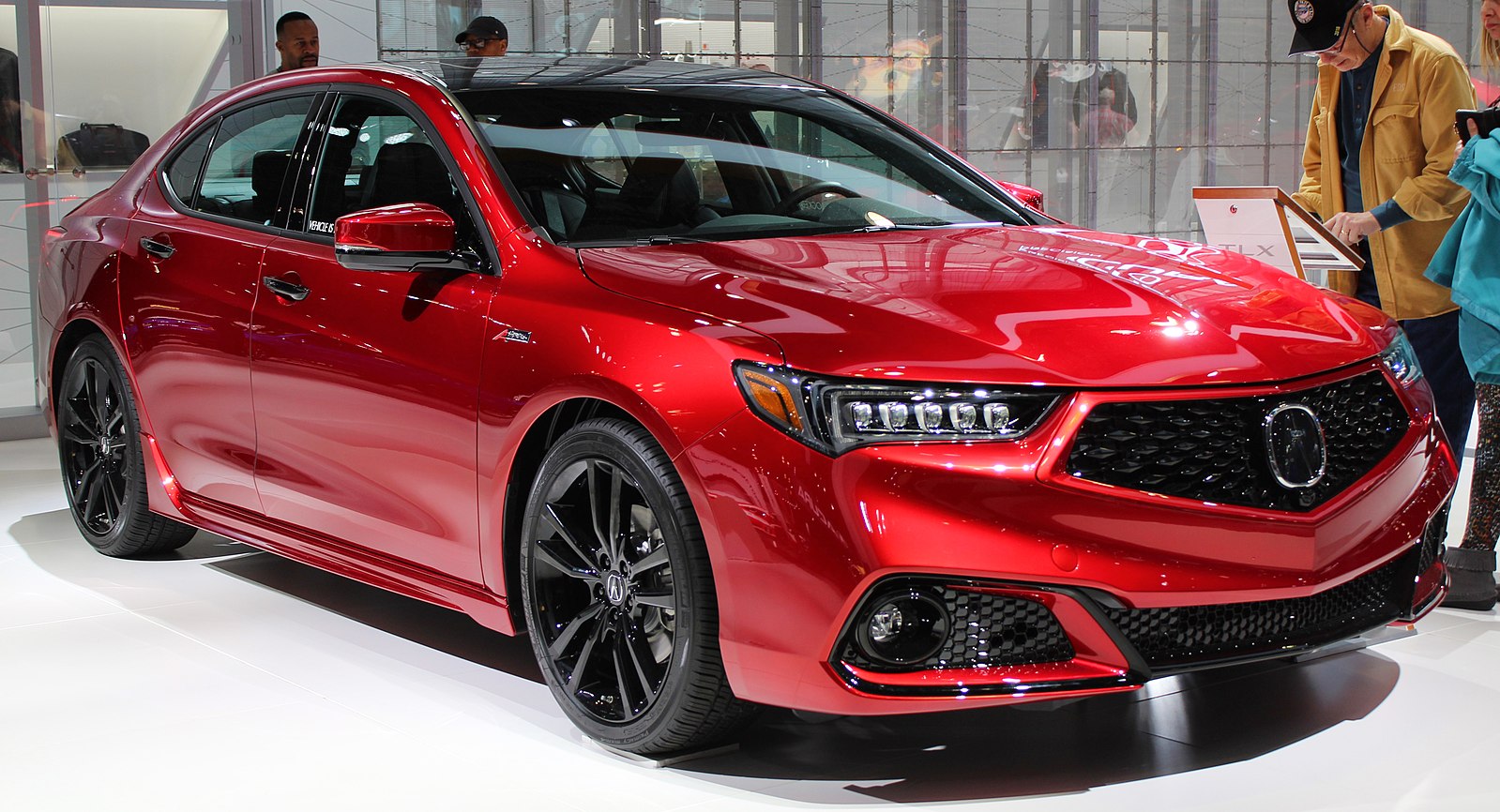
Acura Tsx Years To Avoid
Not every TSX model year is a bad choice, but some have consistent complaints. Based on owner reports, mechanic reviews, and recall data, the following years stand out as ones you should approach with caution:
- 2004 Acura TSX
- 2005 Acura TSX
- 2010 Acura TSX
- 2011 Acura TSX
Let’s look at what makes these years problematic.
2004 Acura Tsx: First-year Problems
The 2004 TSX was Acura’s first attempt at this model in North America. First-year models often have teething issues, and the TSX was no exception.
Common issues:
- Transmission failures: Some owners reported rough shifting, slipping, or total transmission breakdowns after 90,000 miles.
- Power steering problems: Leaks from the power steering hose could lead to a loss of steering assist, especially in cold weather.
- Electrical glitches: Dashboard lights, radio, and navigation system failures were common.
Why it matters: Repairs can be expensive. Transmission fixes can cost $2,000–$3,000. Power steering repairs run $600–$1,000. For a used car, these costs can outweigh savings.
2005 Acura Tsx: Continued Reliability Issues
The 2005 TSX saw improvements, but many of the same problems from 2004 persisted.
Recurring problems:
- Power steering hose leaks: Acura issued a recall, but some owners still report issues after repairs.
- Engine oil leaks: Gaskets and seals sometimes fail before 100,000 miles.
- Air conditioning failures: Compressor and condenser problems lead to expensive fixes.
Owner complaints: Many buyers reported spending over $1,000 in repairs within the first year of ownership. Some issues, like oil leaks, can lead to engine damage if ignored.
2010 Acura Tsx: Second Generation V6 Issues
The 2010 TSX was part of the second generation and introduced the 3.5L V6 engine. While more powerful, the V6 brought new challenges.
Major problems:
- Excessive oil consumption: V6 models often burn oil quickly, requiring frequent top-offs.
- Engine misfires: Spark plug and ignition coil failures sometimes lead to rough running and reduced power.
- Bluetooth and navigation malfunctions: Electronics became more advanced, but reliability suffered.
Why it matters: The V6’s oil consumption can cause internal engine damage if ignored. Electronics repairs are tricky and expensive.
2011 Acura Tsx: Ongoing Engine And Electronics Issues
The 2011 TSX continued to have engine and electronics problems, especially in V6 models.
Key complaints:
- High oil use: Owners report needing to add oil every 1,000–2,000 miles.
- Dashboard electrical failures: Touchscreen, radio, and climate controls sometimes stop working.
- Premature brake wear: Brakes may need replacement every 20,000–30,000 miles, increasing maintenance costs.
Data shows this year has more complaints about engine and electronics than most other TSX years.
Comparing Problem Years Vs. Reliable Years
To help buyers see the difference, here’s a comparison of the most problematic TSX years and some of the best years:
| Model Year | Common Issues | Owner Satisfaction | Estimated Repair Costs |
|---|---|---|---|
| 2004 | Transmission, power steering, electronics | Low | $2,000–$4,000 |
| 2005 | Power steering, oil leaks, AC | Low | $1,500–$3,000 |
| 2010 | Oil consumption, misfires, electronics | Medium | $1,500–$3,500 |
| 2011 | Oil consumption, electronics, brakes | Medium | $1,500–$3,000 |
| 2007 | Minor electrical | High | $800–$1,500 |
| 2013 | Minor engine, suspension | High | $900–$1,600 |
Reliable years like 2007 and 2013 have fewer issues and lower repair costs.
Why These Years Struggle: Underlying Causes
Understanding why certain years are problematic helps buyers avoid mistakes. Here are some non-obvious insights:
- Design changes and recalls: First-year models (like 2004) often have problems that aren’t discovered until thousands are sold. Recalls fix the issue, but some cars escape proper repair.
- Supplier issues: 2010–2011 saw changes in suppliers for electronics and engine parts. Some parts failed quality checks, leading to frequent replacements.
- New technology risks: Adding Bluetooth, navigation, and touchscreens increased complexity but also introduced new failure points.
Many buyers focus only on mileage or price, but ignoring the model year’s history can lead to expensive surprises.
Acura Tsx Years Worth Considering
If you want a reliable TSX, focus on these years:
- 2006–2008: Improved reliability, fewer recalls, strong resale value.
- 2012–2014: Later second-generation models fixed earlier issues, especially with V6 engines and electronics.
These years have strong owner satisfaction and fewer major complaints.
Why 2006–2008 Are Better
The 2006–2008 TSX models benefited from Acura’s corrections to early design flaws. Power steering issues were addressed, and electrical reliability improved. Owners report fewer trips to the mechanic and lower repair costs.
Why 2012–2014 Stand Out
By 2012, Acura fixed most V6 oil consumption problems and improved electronics. These models have updated safety features and hold value well.
Practical Tips For Buying A Used Acura Tsx
Before you buy a used TSX, consider these steps to avoid costly mistakes:
- Check for recalls and completed repairs: Ask the seller for recall records. Make sure power steering and electronics recalls were handled.
- Inspect for oil leaks and consumption: Look for oil stains under the car and ask about oil usage history.
- Test drive with attention to transmission and brakes: Listen for rough shifting, slipping, or noise from brakes. These can signal expensive repairs ahead.
- Review service records: Reliable sellers will have maintenance records showing regular oil changes and repairs.
- Use a trusted mechanic for inspection: A pre-purchase inspection can reveal hidden issues.
Many buyers skip these steps and regret it later. Spending $100–$200 for an inspection can save thousands.
Cost Of Ownership: Maintenance And Repairs
Owning an Acura TSX isn’t expensive compared to luxury rivals, but bad years can increase costs. Here’s a quick overview:
| Year | Annual Maintenance Cost | Common Repairs | Average Mileage Before Major Issues |
|---|---|---|---|
| 2004 | $950 | Transmission, power steering | 85,000 |
| 2005 | $900 | Power steering, AC | 90,000 |
| 2007 | $750 | Minor electrical | 120,000 |
| 2011 | $1,100 | Engine, brakes | 80,000 |
| 2013 | $800 | Suspension, engine | 130,000 |
Later years (2012–2014) tend to have lower maintenance costs and last longer before major repairs.
Common Buyer Mistakes To Avoid
Buying a used Acura TSX can be rewarding, but avoid these mistakes:
- Ignoring recall history: Many buyers don’t check if recalls were completed, especially for steering and electronics.
- Focusing only on price: A cheap TSX from a bad year can cost more in repairs than a pricier, reliable model.
- Skipping professional inspection: Relying on seller promises instead of a mechanic’s review is risky.
Smart buyers ask questions, check records, and invest in inspections.
Real Owner Experiences
Owner forums and review sites are filled with stories from TSX drivers. Here are a few examples:
- 2004 owner: “Transmission started slipping at 90,000 miles. Dealer quoted $2,800 for repairs. Wish I’d researched before buying.”
- 2010 V6 owner: “Car burns oil fast—every 1,500 miles I have to add a quart. Navigation system stopped working after 60,000 miles. Nice drive, but too many headaches.”
- 2007 owner: “Bought with 110,000 miles. Only had to change brake pads and tires. Great reliability.”
These stories highlight the importance of checking year-specific issues before buying.
How The Tsx Compares To Other Sedans
The Acura TSX competes with models like the BMW 3 Series, Audi A4, and Lexus IS. While the TSX is often more reliable, bad years can make it less appealing.
Advantages:
- Lower maintenance costs than German rivals
- Better resale value for reliable years
- Fewer expensive repairs for late models
Disadvantages:
- Early years have more major repairs
- V6 models can be costly if oil issues aren’t fixed
If you want a luxury sedan with fewer headaches, focusing on the right TSX years is key.
Where To Research Further
For in-depth recall information and owner reviews, sites like Consumer Reports are helpful. They offer detailed reliability scores and maintenance advice.

Frequently Asked Questions
What Are The Worst Acura Tsx Years?
The most problematic years are 2004, 2005, 2010, and 2011. These models have frequent issues with transmission, power steering, oil consumption, and electronics.
Is The Acura Tsx A Reliable Car Overall?
Yes, the TSX is generally reliable, especially from 2006–2008 and 2012–2014. Avoiding bad years and checking maintenance history is important.
How Much Does It Cost To Fix Common Tsx Problems?
Transmission repairs can cost $2,000–$3,000. Power steering fixes range from $600–$1,000. V6 engine issues may cost $1,000–$2,500. Electronics repairs are often $500–$1,200.
What Should I Check Before Buying A Used Tsx?
Look for completed recalls, check for oil leaks, inspect transmission and brakes, review service records, and get a mechanic’s inspection.
Does The Tsx Hold Its Resale Value?
Reliable years (like 2007 and 2013) hold value well. Problem years lose value faster due to costly repairs and frequent complaints.
Buying a used Acura TSX can be a smart move if you know which years to avoid and what to look for. By doing your homework, you can enjoy a luxury sedan that offers great value, strong performance, and lasting reliability.