
The Volkswagen Passat is a car that many people know. It has a long history and is famous for its comfort, style, and space. But not all Passat years are the same. Some years have big problems that can cost you money and time.
If you are thinking about buying a Passat, it’s important to know which years to avoid. This guide will help you understand the worst Passat years, why they are risky, and how to make a smarter choice.
Why Some Vw Passat Years Are Risky
Every car model has good and bad years. For the Passat, some years are known for engine issues, transmission failures, and expensive repairs. These problems are not just minor annoyances—they can leave you stranded or cost thousands of dollars. Sometimes, a bad year is caused by a new design, poor parts, or weak quality control. Owners’ reports, mechanic opinions, and recall data help us see which years are trouble.
The Vw Passat Years You Should Avoid
After studying owner complaints, recall records, and repair costs, several Passat years stand out as the ones to avoid. Here are the most problematic years, with clear reasons why:
1. 2001–2005 Passat (b5 Generation)
The B5 generation, especially 2001–2005, is often called the worst for reliability. These models have several big problems:
- Oil sludge in 1.8T engines: The turbocharged 1.8-liter engine is famous for oil sludge. If oil changes are missed or the wrong oil is used, the engine can die. Repairs often cost over $3,000.
- Electrical failures: Owners report problems with power windows, locks, and dashboard lights.
- Water leaks: Faulty seals lead to water getting inside the cabin, causing mold and electrical issues.
- Costly timing belt repairs: The timing belt must be changed often, and failure ruins the engine.
2. 2006–2007 Passat (b6 Early Years)
The B6 Passat looked modern, but the first two years had major flaws:
- High pressure fuel pump failures: This part fails often, leading to stalling and expensive repairs.
- Engine misfires: Many owners report rough running and check engine lights.
- Sunroof leaks: Water leaks from the sunroof cause damage to the interior and electronics.
- Transmission problems: Some cars have jerky shifting or complete transmission failure.
3. 2012 Passat (b7 First Year)
When VW moved Passat production to the US in 2012, the first models had many issues:
- Weak door locks: Locks often stop working, leaving people locked in or out.
- Airbag recall: The Takata airbag recall affected many 2012 Passats, risking safety.
- Steering issues: Owners complain about stiff or noisy steering.
4. 2013–2014 Passat
These years continued some problems from 2012, with new issues:
- Diesel engine problems: The TDI engines were part of the diesel emissions scandal. Many cars needed expensive fixes or buybacks.
- Fuel system recalls: There were multiple recalls for fuel leaks and pump failures.
- Electrical glitches: Owners report problems with radio, navigation, and sensors.
5. 2015 Passat
VW tried to improve the Passat after the diesel scandal, but 2015 models still had trouble:
- Turbocharger failures: Especially in 1.8T engines, turbochargers often fail and cost over $2,000 to replace.
- Bluetooth and infotainment problems: Poor software leads to dropped connections and frozen screens.
- Suspension complaints: Some cars have noisy or weak suspension parts.
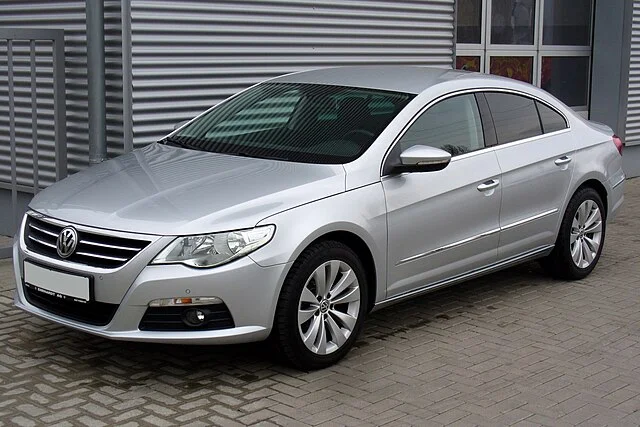
Data On Passat Reliability And Repair Costs
To see the difference between good and bad Passat years, it’s helpful to look at repair data. Below is a comparison of average annual repair costs and complaint numbers for key years:
| Model Year | Average Repair Cost | Owner Complaints (per 1000 cars) | Major Recalls |
|---|---|---|---|
| 2001 | $1,150 | 42 | Oil sludge, water leaks |
| 2006 | $1,030 | 38 | Fuel pump, transmission |
| 2012 | $980 | 35 | Airbag, steering |
| 2014 | $910 | 29 | Diesel, fuel system |
| 2016 | $690 | 15 | Minor recalls |
Notice how repair costs and complaints drop in newer years. This shows why avoiding the worst years can save you money and stress.
Common Problems In Bad Passat Years
Not all issues are equal. Here are the most serious problems found in the years to avoid:
Engine Sludge And Failure
Oil sludge is when dirty oil builds up inside the engine. In the 2001–2005 Passat, this was so common that VW had to offer special warranty fixes. But if owners missed oil changes or used the wrong oil, VW did not cover repairs.
Engine failure from sludge usually means a full engine replacement.
Electrical Issues
Many Passats from 2001–2007 have electrical problems. These include power window failure, broken door locks, and dashboard lights that won’t work. Sometimes these issues are caused by water leaks, which damage wiring and sensors.
Transmission Problems
Some Passats, especially 2006–2007, suffer from transmission failure. This can mean jerky shifting, slipping gears, or total breakdown. Repairing or replacing a transmission often costs $3,500 or more.
Water Leaks
Water leaks are a hidden threat. Leaks from the sunroof or door seals let water inside, which leads to mold, bad smells, and electrical shorts. Fixing leaks can be expensive and sometimes does not solve the problem fully.
What Makes A Passat Year Reliable?
Reliable Passat years avoid big problems. They use proven engines and parts, have fewer recalls, and cost less to repair. Owners and mechanics both agree that certain years are much safer to buy.
| Year | Engine Types | Common Issues | Owner Satisfaction |
|---|---|---|---|
| 2016 | 1.8T, 3.6 V6 | Minor electronics | High |
| 2017 | 1.8T, 2.0T | Few recalls | Very high |
| 2019 | 2.0T | Almost none | Excellent |
These years have lower repair costs and higher satisfaction scores. They are less likely to leave you with a big bill.
How To Check A Used Passat Before Buying
If you want a Passat, but worry about getting a bad year, you can protect yourself:
- Check the VIN history: Use a service like Carfax to see accident and repair records.
- Ask for service records: Make sure the car had regular oil changes and recalls fixed.
- Get a pre-purchase inspection: A trusted mechanic can spot hidden problems.
- Look for signs of leaks: Check carpets, headliner, and under seats for moisture.
- Test all electronics: Try windows, locks, radio, and lights.
- Drive the car: Listen for strange noises, feel for rough shifting, and check for warning lights.
Practical Example
Suppose you find a 2003 Passat with low miles and a good price. You check the VIN, and see two previous owners. The service records show oil changes every year, but not every 5,000 miles. You notice a musty smell inside.
After a mechanic checks, they find water damage under the carpet and early engine sludge. Even though the car looks clean, these signs mean it’s risky.
Non-obvious Insights For Passat Buyers
Many first-time buyers focus on price and mileage. But there are two important things that beginners often miss:
- Recalls are not always fixed: Even if a car has recalls, the owner might not have brought it in. Always check recall status with VW.
- Low mileage does not mean fewer problems: Passats that sit unused can have more issues, like dried out seals and old fluid. Ask how the car was driven, not just how far.
Comparing Passat To Other Sedans
You might wonder how the Passat stacks up against similar cars. Here’s a quick comparison of Passat vs. Toyota Camry and Honda Accord for reliability in the worst Passat years:
| Model Year | VW Passat | Toyota Camry | Honda Accord |
|---|---|---|---|
| 2005 | Oil sludge, electrical | Minor engine issues | Transmission problems (rare) |
| 2012 | Airbag, door locks | Few complaints | Few complaints |
| 2014 | Diesel, fuel system | Reliable | Reliable |
Camry and Accord are more reliable in these years. Passat’s problems are bigger and more expensive.
How Volkswagen Responded To Passat Problems
Volkswagen did not ignore the issues. Over time, they improved quality and fixed many flaws. For example, they changed the engine design after oil sludge problems and improved electronics in later years. In response to the diesel scandal, VW offered buybacks and repairs.
But these solutions came too late for many owners.
Tips For Buying A Safer Passat
If you still want a Passat, here’s how to choose a safer model:
- Pick 2016 or newer: These years have fewer complaints and better engines.
- Avoid turbocharged 1.8T in older years: This engine is trouble in 2001–2015.
- Check for completed recalls: Make sure airbags, fuel systems, and electronics were fixed.
- Prefer one-owner cars with records: More owners often means more hidden problems.
- Test all features: Don’t skip the electronics, sunroof, or locks.
The Cost Of Ignoring Year Problems
Some buyers think a cheap Passat is a good deal. But buying a bad year can mean paying much more in repairs. For example, a 2002 Passat for $3,000 may need a $3,000 engine fix in the first year. Over five years, bad Passat years can cost $4,000 more than reliable years.
This is why knowing which years to avoid matters.
How To Research Passat Years
There are many ways to research Passat years. Use owner forums, mechanic reviews, and recall databases. The National Highway Traffic Safety Administration (NHTSA) keeps records of recalls and complaints. You can also use the Consumer Reports website for unbiased reliability ratings.
Frequently Asked Questions
What Is The Worst Vw Passat Year?
The 2003 Passat is often called the worst year because of oil sludge, electrical failures, and water leaks. Many owners report expensive engine and transmission repairs.
Are Passats From 2001–2005 Reliable?
No. The 2001–2005 Passat has many problems, especially with the 1.8T engine. Oil sludge, timing belt failures, and electrical issues make these years risky to buy.
Is The 2012 Passat A Good Choice?
The 2012 Passat has several problems, including airbag recalls, weak door locks, and steering issues. It is not a top pick for reliability. Consider newer years.
Which Passat Years Are Safest To Buy?
The safest Passat years are 2016, 2017, and 2019. These models have improved engines, fewer recalls, and high owner satisfaction. Repairs are less costly.
How Can I Check If A Passat Has Had Recalls Fixed?
Use the VW website or the NHTSA recall lookup. Enter the VIN to see recall history and if repairs are complete. Always ask the seller for proof.
Final Thoughts
Choosing a Volkswagen Passat means balancing style, comfort, and reliability. But picking the wrong year can lead to headaches and big bills. The worst Passat years—2001–2005, 2006–2007, 2012, 2013–2014, and 2015—have problems that are hard and costly to fix. If you want a safer Passat, focus on newer models, check records, and test everything before you buy.
By avoiding the risky years and following practical advice, you can enjoy the Passat’s strengths without the stress. Remember, a little research saves a lot of money and trouble.