
The BMW 528i is a car with a strong reputation for comfort, performance, and luxury. Many drivers dream of owning one, hoping for the classic German engineering experience. But not every 528i is a great buy. Some years are known for expensive issues or poor reliability.
If you’re thinking about buying a used BMW 528i, knowing which years to avoid can save you money, time, and frustration.
This guide will help you understand which BMW 528i years have the most problems, why they are risky, and what to look for if you want to enjoy your BMW ownership. You’ll find real data, examples, and advice for making a smart choice.
If you want a great experience—not endless repairs—this article is for you.
The Bmw 528i: A Quick Overview
The BMW 528i is part of the BMW 5 Series, which is one of the brand’s most popular lines. The 528i badge has been used on several generations, but most buyers today focus on models from the late 1990s to the mid-2010s. These cars are loved for their balance of power, luxury, and handling.
Over the years, the 528i has changed engines, features, and technology. Some models have inline-six engines, others use turbocharged four-cylinders. These changes mean that some years offer much better reliability than others.
Why Some Bmw 528i Years Should Be Avoided
Not all BMW 528i years are created equal. A few model years stand out for frequent mechanical failures, high repair costs, or poor owner satisfaction. Here’s why:
- Engine problems: Certain engines are more prone to issues like oil leaks, timing chain failures, or turbocharger faults.
- Electronics and sensors: Modern BMWs have complex electronics. Faulty sensors or computer glitches can trigger warning lights and expensive repairs.
- Transmission issues: Some years have more reports of rough shifting or transmission failure.
- High maintenance costs: Even simple repairs can be costly due to the price of BMW parts and labor.
It’s important to know these risks before you buy. Some problems appear only after 60,000–100,000 miles, so even a used car that looks good may have hidden trouble ahead.

Bmw 528i Years To Avoid: The Most Problematic Models
Based on owner reports, expert reviews, and repair statistics, these BMW 528i years are most often listed as ones to avoid:
1997–2000 (e39 Generation, Early Years)
These early E39 528i models (especially 1997, 1998, and 1999) are known for several reliability issues:
- Cooling system failures: Water pumps, radiators, and expansion tanks often fail before 100,000 miles.
- Electrical problems: Issues with window regulators, instrument clusters, and various sensors are common.
- Oil leaks: Valve cover and oil filter housing gaskets are weak spots.
While the E39 is considered a classic, these early years need constant attention. Unless you love working on cars or want a project, it’s best to skip these models.
2008–2011 (e60 Generation, Final Years)
The E60 generation (produced from 2004–2010) has mixed reviews, but the late years—especially 2008, 2009, and 2010—are known for:
- High-pressure fuel pump (HPFP) failures: Especially on turbocharged models, leading to stalling and engine warning lights.
- Valve cover and gasket leaks: These can cause misfires and oil smoke.
- Electronics gremlins: Problems with iDrive, navigation, and other features are expensive to fix.
Many owners report that repairs can quickly cost thousands. The E60’s complex electronics and aging components make these years risky unless you have detailed service records.
2011–2013 (f10 Generation, N20 Engine)
The F10 528i (2011–2016) brought a big change: the switch to a 2.0L turbocharged four-cylinder engine (N20) in 2012. The early years of this engine (2012 and 2013) are especially troublesome:
- Timing chain failures: The N20 engine has a known problem with timing chain guides and tensioners. If they fail, the engine can be destroyed.
- Engine noise and vibration: Some cars develop rough running or rattling noises.
- Turbocharger wastegate issues: These can cause loss of power and check engine lights.
BMW improved the N20 engine in later years, but 2012–2013 models are considered the most risky for costly engine repairs.
Summary Table: Bmw 528i Years To Avoid
Here’s a quick look at the years with the most reported problems:
| Model Year | Main Issues | Estimated Repair Cost (Major Failures) |
|---|---|---|
| 1997–2000 | Cooling system, electrical, oil leaks | $1,000–$3,500 |
| 2008–2010 | Fuel pump, electronics, gasket leaks | $1,200–$4,000 |
| 2012–2013 | Timing chain, turbo, engine noise | $2,500–$7,000 |
Insight: Many people overlook the cost of “minor” leaks and electronics. But these small issues can add up to major expenses, especially as the car ages.
Most Reliable Bmw 528i Years
Not every 528i is a problem. Some model years are praised for reliability and lower maintenance costs. If you want a 528i that’s less likely to give you trouble, look for:
- 2001–2003 (E39, Late Years): By this time, BMW fixed many earlier issues. These cars are still old, but they’re easier to maintain if well kept.
- 2004–2007 (E60, Early Years): These years have fewer turbo and electronics problems. The naturally aspirated inline-six engine (N52) is more robust than later turbo engines.
- 2014–2016 (F10, Improved N20 Engine): BMW updated the timing chain and other weak spots. These newer cars are more reliable if they have a full service history.
Buying a car from one of these years, with proper records, gives you the best chance for a smooth ownership experience.
Key Mechanical Problems In Bmw 528i (by Generation)
Understanding what goes wrong in each generation helps you spot warning signs before buying.
E39 (1997–2003): Strengths And Weaknesses
- Strengths: Classic BMW handling, durable transmission, easy DIY repairs.
- Weaknesses: Cooling system parts last only 60,000–100,000 miles. Electrical gremlins in early years. Plastic parts become brittle over time.
Tip: If you buy an E39, budget for a full cooling system refresh and check all rubber and plastic components.
E60 (2004–2010): Modern Features, More Complexity
- Strengths: Advanced features (iDrive, comfort), strong inline-six engines in early years.
- Weaknesses: Expensive electronics to repair. HPFP failures on turbo models. Leaky gaskets and oil seals.
Tip: Avoid cars with many warning lights, and always test the iDrive system before buying.
F10 (2011–2016): Turbo Era Challenges
- Strengths: Fuel efficiency, advanced safety, quieter ride.
- Weaknesses: Early N20 engines (2012–2013) have serious timing chain risks. Turbo repairs can be very costly.
Tip: Ask for proof of timing chain service or updates before buying an early F10.
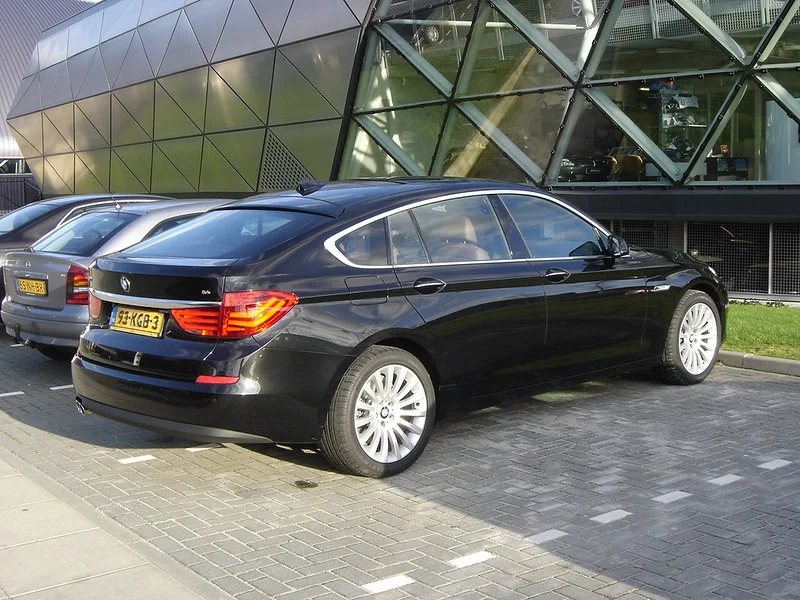
Comparing Bmw 528i Generations
How do these generations compare in terms of reliability and ownership costs? Here’s a breakdown:
| Generation | Engine Type | Common Problems | Overall Reliability |
|---|---|---|---|
| E39 (1997–2003) | Inline-6 (M52/M54) | Cooling, electronics, oil leaks | Fair (late years better) |
| E60 (2004–2010) | Inline-6, V8, turbo I6 | HPFP, gaskets, electronics | Mixed (early years better) |
| F10 (2011–2016) | Turbo I4 (N20), I6 | Timing chain, turbo, sensors | Good (after 2014 best) |
Non-obvious insight: Many buyers focus only on the engine. But the electronics and plastic parts cause just as many headaches—especially in E60 and F10 models.
How To Spot A Risky Bmw 528i Before You Buy
Even if you avoid the worst years, you should always check a used BMW carefully. Here’s how to reduce your risk:
- Get a pre-purchase inspection by a BMW specialist. They can spot hidden engine or electronics issues.
- Ask for a full service history. Look for proof of major repairs (like timing chain, water pump, or fuel pump replacements).
- Check for warning lights on the dashboard. Any lights for the engine, transmission, or ABS are a red flag.
- Listen for engine noises. Rattling, ticking, or rough idle can signal timing chain problems or turbo failure.
- Test all electronics. Make sure the iDrive, windows, climate control, and sound system work properly.
- Look for oil leaks under the car and around the engine bay.
If the seller can’t provide records, or the car has many warning signs, walk away. There are always better options.
Common Mistakes When Buying A Used Bmw 528i
Many buyers make these mistakes, leading to expensive problems:
- Ignoring the timing chain issue in 2012–2013 models
- Not checking for a full service history
- Underestimating repair costs (parts and labor are expensive)
- Skipping a specialist inspection
- Assuming low miles means good condition (age can affect plastics and electronics even with low mileage)
Avoid these mistakes by doing your homework and getting expert help.
Real Owner Experiences: What People Say
Online forums and owner groups are full of stories—good and bad—about the BMW 528i. Here are a few examples:
- A 2013 528i owner shared: “At 70,000 miles, my engine started making a rattling noise. Dealer said the timing chain was failing. $5,000 for repairs!”
- A 2009 528i driver: “The iDrive screen went blank, and the dealer wanted $2,000 to replace the module. I wish I had checked everything before buying.”
- A 2002 528i enthusiast: “Needed a new radiator and hoses at 90,000 miles. Not cheap, but now the car runs great. Worth it if you love working on cars.”
Non-obvious insight: Many owners say that buying from a private party with full records is safer than buying from a dealer with little history.
Cost Of Ownership: Repair And Maintenance Data
BMWs are known for higher-than-average repair costs. Here’s what you can expect for the 528i:
| Year/Generation | Average Annual Maintenance | Common Major Repair Cost |
|---|---|---|
| 1997–2003 (E39) | $900–$1,400 | $1,500–$3,000 |
| 2004–2010 (E60) | $1,200–$1,800 | $2,000–$4,000 |
| 2011–2016 (F10) | $1,200–$1,900 | $2,500–$7,000 |
Tip: Budget at least $1,500 per year for repairs and maintenance—more if you choose a risky year.
When Is It Worth Buying A 528i From A “bad” Year?
It’s possible to find a 528i from a risky year that’s still a good buy. Here’s when it might make sense:
- The car has detailed service records showing all major problem areas have been fixed.
- A trusted BMW specialist has inspected and approved it.
- The price is very low, giving you room to pay for repairs.
- You plan to keep the car short-term or use it as a project.
If none of these is true, it’s usually better to wait for a model from a more reliable year.
Alternatives To The Bmw 528i
If you’re worried about reliability or repair costs, consider these alternatives:
- Lexus GS350: Known for reliability and comfort, with fewer expensive problems.
- Acura TL: Good balance of sporty driving and lower maintenance.
- Audi A6 (non-turbo years): Offers luxury, but avoid turbo models with known engine issues.
- Mercedes E-Class (E350): Comparable luxury, but check for air suspension and transmission history.
Each car has its own strengths and weaknesses. The key is to research each model year, just like you would for the BMW 528i.
Final Thoughts
The BMW 528i is a joy to drive when it works well, but certain model years can turn ownership into a headache. Avoiding 1997–2000, 2008–2010, and 2012–2013 models will reduce your risk of expensive problems. Always look for a well-maintained car with full service records, and don’t skip a professional inspection.
If you do your homework, you can enjoy the best of BMW without the stress.
For more details on BMW reliability and repair history, check the official Consumer Reports BMW 5 Series page.

Frequently Asked Questions
What Is The Worst Year For The Bmw 528i?
The 2012 and 2013 BMW 528i are widely considered the worst years due to serious timing chain problems with the N20 engine. These failures can destroy the engine, leading to very high repair costs.
Are Bmw 528i Expensive To Maintain?
Yes. Even in good years, the BMW 528i costs more to maintain than most non-luxury cars. Plan for $1,200–$1,900 per year, and much more if a major part fails.
How Can I Tell If A Bmw 528i Has The Timing Chain Issue?
Listen for rattling or ticking noises from the engine, especially at cold start. Ask for service records that show the timing chain and guides were replaced. A BMW specialist can inspect and give you a clear answer.
Is A High-mileage Bmw 528i A Good Idea?
It depends. A high-mileage 528i can be reliable if it has full service records and key parts replaced. But without proof of good maintenance, it can quickly become expensive. Always get a specialist inspection.
What Is The Best Engine In The Bmw 528i?
The inline-six (N52) engine in 2006–2010 models is considered the most reliable and smooth. It has fewer turbo and timing chain issues than later four-cylinder engines.
The right research can help you enjoy the BMW experience without regrets.