
Buying a used Audi S7 can be a thrilling idea for car lovers. The S7 mixes luxury, power, and style in a package that stands out on the road. However, not every model year brings the same happiness. Some years have more problems than others, and knowing these issues can save you money and headaches. Many people get caught up in the excitement of owning a performance car and forget to check the history of specific models. This guide will walk you through the Audi S7 years to avoid, explain why, and help you make a smart decision if you’re looking for a used S7.
Understanding The Audi S7 Line
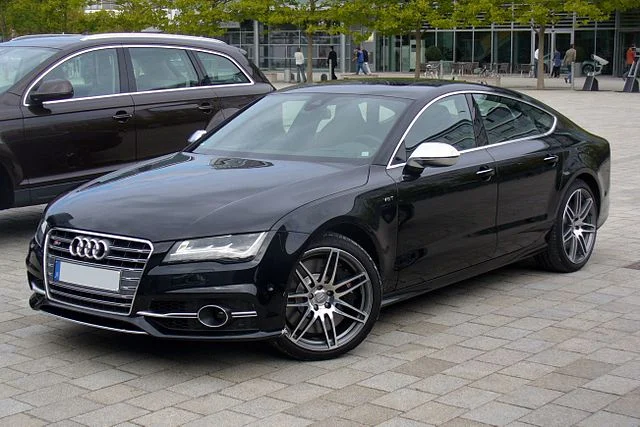
The Audi S7 debuted in 2012 as a high-performance version of the A7 Sportback. It has a stylish body, strong engines, and advanced tech. Over the years, Audi improved the S7, but some model years have known issues. Problems can range from engine trouble to electrical gremlins, and not all of them show up on a simple test drive. If you want to enjoy the blend of speed and comfort, it’s important to avoid the risky years.
Why Some S7 Years Are Riskier
Certain model years stand out for their higher repair costs, frequent breakdowns, or expensive recalls. These aren’t just small issues; they can mean big bills and time in the shop. The S7’s complex technology and turbocharged engines make repairs more difficult and costly. Owners often share their stories online, and data from sources like the NHTSA and CarComplaints.com reveal patterns. Before looking at the seven years to avoid, it helps to know that these warnings are based on real-world problems, not just opinions.

Audi S7 Years To Avoid: The 7 Most Problematic
Here are the seven Audi S7 years you should avoid, listed with details on what went wrong and how it might affect you.
1. 2013 Audi S7
The 2013 S7 was the first model year in the U.S., which often means more problems as Audi worked out the kinks. Owners have reported oil consumption issues, where the engine burns oil quickly, sometimes needing a quart every 1,000 miles. This can lead to engine damage if not watched closely. Another common complaint is turbocharger failure. Replacing a turbo can cost over $3,000.
Electrical problems are also frequent in the 2013 model, including infotainment glitches and sensor failures that affect safety features like adaptive cruise control. For a car that cost over $75,000 new, these issues are disappointing. Many buyers are drawn to the 2013 S7 because of its lower price now, but the repair bills can quickly erase any savings.
Key Issues
- High oil consumption (1 quart every 1,000 miles)
- Turbocharger failure ($3,000+ repair)
- Infotainment and sensor glitches
2. 2014 Audi S7
The 2014 S7 is similar to the 2013 model, and many of the same problems continued. The turbocharger was still a weak point, and Audi had not fully fixed the oil consumption problem. Some owners experienced carbon buildup in the intake valves. This is common with direct-injection engines and can cause rough idling, power loss, or even check engine lights. Cleaning the valves can cost $800–$1,200.
Another problem is the DSG transmission. Some 2014 S7s have rough shifting or delayed response, especially as they age. The repair for transmission issues can easily reach $4,000 or more. The combination of engine and transmission problems makes the 2014 model risky for used buyers.
Key Issues
- Persistent turbo and oil consumption problems
- Carbon buildup on intake valves
- DSG transmission issues
3. 2015 Audi S7
While Audi made some improvements in 2015, new issues appeared. The steering system received complaints for stiffness or inconsistent feel, especially in cold weather. There were also reports of premature brake wear, with owners needing to replace pads and rotors sooner than expected. Brake jobs on the S7 are expensive due to its performance parts.
Another area of concern is the MMI infotainment system. Many drivers saw system crashes or a frozen screen, which can be distracting and annoying. Some owners also mention water leaks into the cabin, usually from clogged sunroof drains. This can lead to mold and electrical problems if not handled quickly.
Key Issues
- Steering stiffness and inconsistency
- Premature brake wear (costly replacements)
- MMI infotainment failures
- Water leaks from sunroof drains
4. 2016 Audi S7
The 2016 model year brought a facelift with updated styling and tech, but it wasn’t trouble-free. Many 2016 S7s faced fuel system problems, including faulty fuel pumps that could cause stalling. Replacement costs for a high-pressure fuel pump can be over $1,500.
Adaptive cruise control and lane assist systems were also more common on this model, but owners found them unreliable. False warnings or sudden braking sometimes happened, making the driving experience stressful. Electrical issues with the virtual cockpit display, such as flickering or blackouts, also popped up.
Key Issues
- Faulty fuel pump causing stalling
- Unreliable driver assistance systems
- Virtual cockpit display failures
5. 2017 Audi S7
The 2017 S7 saw fewer problems than earlier years, but some issues remained. The air suspension system sometimes failed, leading to a bumpy ride or sagging on one side. Fixing air suspension can cost $2,000–$4,000, and it’s not always covered by warranty.
Turbocharger reliability was better in 2017, but a number of owners still reported failures, especially at higher mileage. The engine start-stop system also caused frustration, with rough restarts or the engine not turning off when expected. While these might seem minor, they can be annoying and expensive to fix.
Key Issues
- Air suspension failures (costly to repair)
- Some turbocharger issues
- Engine start-stop system problems
6. 2018 Audi S7
The last year of the first-generation S7, the 2018 model had more advanced tech but wasn’t immune to trouble. Software glitches in the infotainment and driver assistance systems were common. Some owners experienced random reboots or loss of navigation.
There were also reports of coolant leaks from the water pump or hoses. If not noticed, a coolant leak can lead to overheating and engine damage. Interior build quality complaints increased, with some drivers mentioning rattles and loose trim after a few years.
Key Issues
- Infotainment and software glitches
- Coolant leaks (potential for overheating)
- Interior rattles and trim issues
7. 2020 Audi S7
Audi skipped the S7 for the U.S. market in 2019, then brought it back in 2020 with a new engine: a 2.9-liter V6 with mild hybrid. This engine promised better fuel economy but arrived with early teething problems. Owners noticed turbo lag, slower response, and some had turbo failures before 40,000 miles.
48-volt electrical system issues were also reported, leading to warning lights or loss of hybrid functions. The new brake-by-wire system sometimes felt inconsistent, worrying drivers used to a firmer pedal. Being a new generation, 2020 models are more expensive to repair due to less aftermarket support and fewer used parts.
Key Issues
- Turbo lag and premature turbo failures
- 48-volt electrical system glitches
- Brake-by-wire pedal feel problems
Quick Comparison: Problem Frequency By Year
To help you see the differences, here’s a look at how often major problems were reported for each year:
| Model Year | Engine/Powertrain Issues | Electrical Issues | Other Major Problems |
|---|---|---|---|
| 2013 | High | High | Turbo failure |
| 2014 | High | Medium | Transmission trouble |
| 2015 | Medium | Medium | Brakes, water leaks |
| 2016 | Medium | High | Fuel system, cockpit |
| 2017 | Low | Medium | Air suspension |
| 2018 | Medium | High | Coolant leaks |
| 2020 | Medium | High | 48V system, brakes |
Common Problems Explained
Some issues are more likely with any high-performance, complex car like the S7, but certain patterns are clear in these seven years.
Turbocharger Issues
Turbochargers give the S7 its power, but they’re also a weak spot. High heat and oil quality matter a lot. If the turbo fails, you’ll notice loss of power, whining noises, or smoke from the exhaust. Replacing turbos is expensive, and ignoring the problem can damage the engine further.
Non-obvious tip: Even if a used S7 feels fast, ask for service records showing regular oil changes and any turbo work.
Electrical Glitches
Modern Audis have many electronic systems. Problems can range from simple sensor errors to full system failures. For example, a flickering virtual cockpit or a non-working MMI system can make daily driving frustrating. Electrical repairs often require special tools and knowledge, which adds to the cost.
Insight: Some electrical issues show up only after the car’s battery is replaced or after software updates. Always check every function during a test drive.
Oil Consumption
Many early S7s use oil faster than normal. You might not see leaks, but the oil level drops quickly. Running low on oil can destroy the engine. This issue is more common in the 2013 and 2014 models.
Suspension Problems
Air suspension is great for comfort and handling, but repairs are costly. A sagging car, strange noises, or warning lights can mean expensive fixes. Experience-based tip: If the car sits unevenly after parking overnight, the air suspension may be leaking.
How These Problems Affect Ownership Costs
The S7 is not a cheap car to own, even if you buy it used. Here’s a look at average repair costs for common issues:
| Problem | Average Repair Cost | Year(s) Most Affected |
|---|---|---|
| Turbocharger Replacement | $3,000–$5,000 | 2013, 2014, 2017 |
| Fuel Pump Replacement | $1,200–$1,800 | 2016 |
| Transmission Repair | $4,000–$6,000 | 2014 |
| Air Suspension Repair | $2,000–$4,000 | 2017 |
| Infotainment System Fix | $800–$2,000 | 2015, 2016, 2018 |
What To Look For Instead
Not every S7 is risky. Many owners enjoy years of trouble-free driving. Here’s what makes a better S7 choice:
- 2019 S7 (if available): This year was skipped in the U.S., but European models had fewer issues.
- 2017 and 2018 S7s: If you can find one with full service records, these tend to be more reliable after the earlier problems were fixed.
- Certified Pre-Owned (CPO): These cars go through extra checks and come with a warranty, reducing your risk.
Pro Tip
Always get a pre-purchase inspection by an independent Audi specialist. They know where to look for hidden issues, and the $200–$300 fee can save you thousands.
Non-obvious Buyer Mistakes
Many buyers focus only on mileage, but service history is more important for the S7. A well-maintained car with 80,000 miles can be better than a neglected car with 40,000 miles. Also, don’t trust that a clean Carfax means the car is perfect; some issues don’t get reported.
Another common mistake is ignoring the cost of extended warranties. For a complex car like the S7, these can be a lifesaver. However, always read the fine print—some plans exclude major components like the air suspension or infotainment system.
How To Check For Past Problems
If you’re serious about an S7, use these steps:
- Run a VIN check on sites like Carfax or AutoCheck for accident history and recalls.
- Ask for service records and check for regular oil changes, turbo replacements, and software updates.
- Test drive every function: All screens, air suspension, brakes, and driver aids.
- Inspect for leaks: Look under the car and in the footwells for oil, coolant, or water.
- Bring a mechanic: Even if you know about cars, an expert eye can spot hidden issues.
The Value Of Ownership
Despite the risks, many people love owning an S7. The car’s mix of speed, comfort, and style is rare. But these pleasures come at a price. If you avoid the worst years and stay ahead of maintenance, the S7 can be a rewarding car. For more on reliability data, check trusted sources like Consumer Reports.
Frequently Asked Questions
Is The Audi S7 Expensive To Maintain?
Yes, the Audi S7 is more expensive to maintain than most sedans. Regular service, special parts, and labor can add up quickly, especially if major repairs like the turbocharger or air suspension are needed.
What Is The Best Year For A Used Audi S7?
The best years are usually 2017 and 2018, as Audi fixed many earlier issues. Look for cars with a full service history and a clean inspection report.
How Can I Avoid Buying A Problematic S7?
Get a pre-purchase inspection, focus on service records, and avoid the years listed above. Certified Pre-Owned cars are safer choices.
Do All S7s Have Turbo Problems?
Not all, but 2013, 2014, and some 2017 models are most affected. Regular oil changes and proper maintenance help prevent turbo issues.
Are Extended Warranties Worth It On The S7?
For most buyers, extended warranties can offer peace of mind. Just make sure the warranty covers the S7’s common problem areas, including electronics and suspension.
Finding the right Audi S7 is about more than price or looks. If you avoid the worst years and do your homework, you can enjoy one of the best performance sedans without big surprises.