
The Mitsubishi Montero has been a familiar sight on roads and trails for decades. Known in some markets as the Pajero or Shogun, this SUV mixes off-road strength with family comfort. But not every Montero year is equally reliable. Some models stand out for their durability, while others are known for costly problems and frustrating repairs.
If you’re thinking about buying a used Montero, knowing which years to avoid is crucial. This guide dives deep into the Montero’s history, highlighting trouble spots, common issues, and the years that often leave owners disappointed.
Why Certain Mitsubishi Montero Years Are Problematic
The Montero’s long production run—from the early 1980s to the mid-2000s in the US—means there are many versions on the used market. Changes in technology, manufacturing, and design brought both improvements and new risks. Some years are notorious for engine troubles, transmission failures, or rust.
Others have less obvious problems that only appear after several years of use.
Not all issues are equally severe. For example, a minor electrical glitch is less serious than a blown head gasket or failed transmission. But repeated problems—even small ones—can drain your wallet and patience. Owners often share their experiences on forums and review sites, and their stories are backed up by recall data and reliability reports.
Mitsubishi Montero Generations Overview
Before diving into specific years to avoid, it helps to understand the Montero’s different generations. Each generation has unique strengths and weaknesses.
| Generation | Years | Key Features |
|---|---|---|
| First (L040) | 1982–1991 | Boxy design, basic off-road features, early engines |
| Second (V20) | 1992–1999 | Improved comfort, better engines, more options |
| Third (V60) | 2000–2006 (US) | Unibody frame, more luxury, modern tech |
Most major problems are found in the second and third generations, especially as these vehicles age.
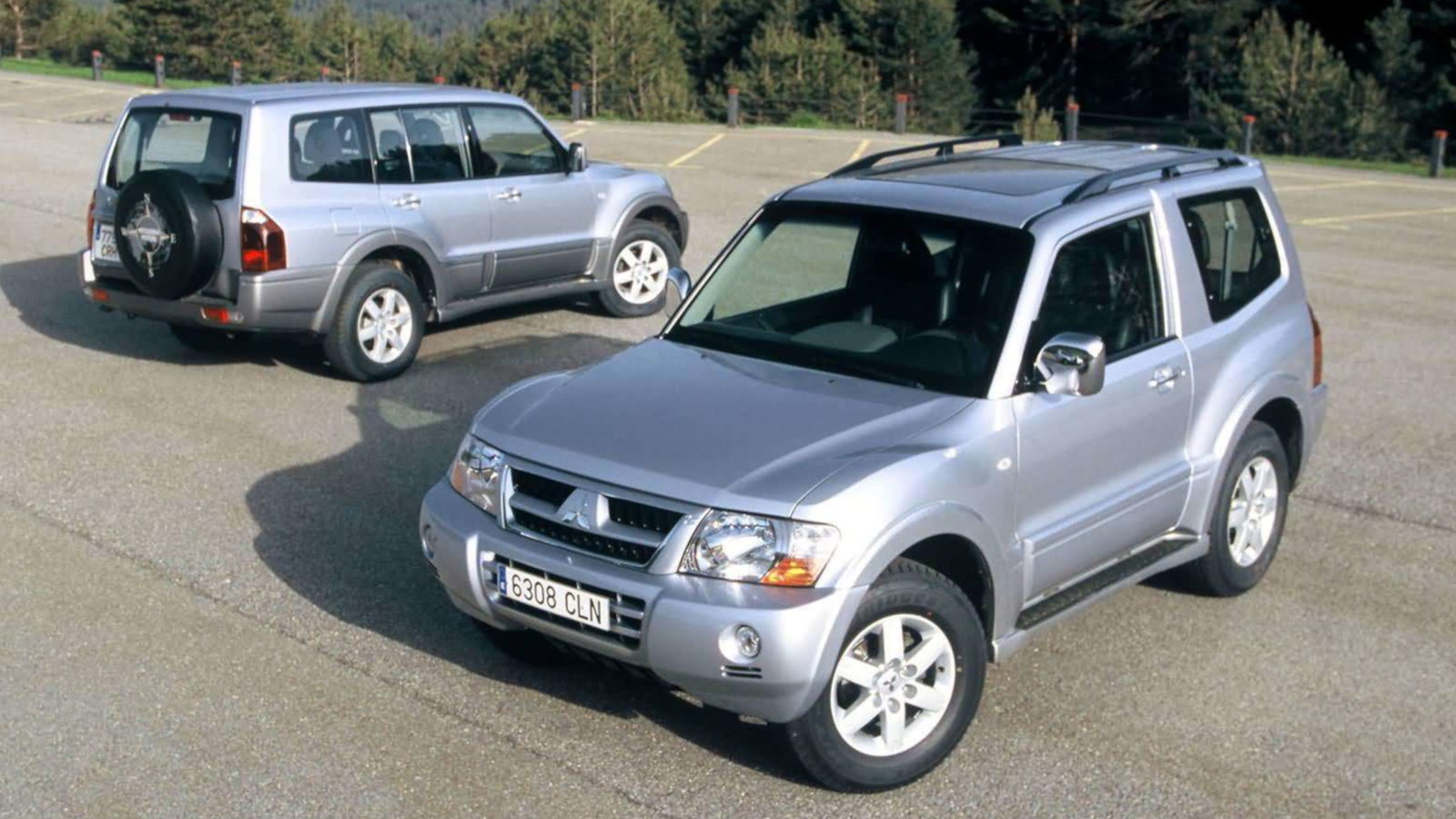
Mitsubishi Montero Years To Avoid
While every used SUV needs careful inspection, some Montero years have a reputation for headaches. Based on owner reports, mechanic feedback, and recall data, the following years are best avoided if you want to reduce risk and repair costs.
1. 1995 Mitsubishi Montero
The 1995 Montero is often cited as one of the worst years. Owners have reported:
- Engine issues: Head gasket failures are common, leading to overheating and expensive repairs.
- Transmission problems: Hard shifting, slipping, and eventual failure can occur, especially on higher-mileage vehicles.
- Suspension and steering flaws: Worn-out suspension bushings and weak steering components result in loose handling.
- Electrical glitches: Power windows and locks often stop working.
Why does this year stand out? The 1995 model was a transition point before a mid-cycle refresh, and Mitsubishi used some components that did not hold up well. Parts quality and design were not at their best.
2. 1997 Mitsubishi Montero
The 1997 model improved on some fronts but introduced new headaches:
- Crankshaft pulley failures: The crank pulley can separate, causing belts to fail and even severe engine damage.
- Transmission reliability: The automatic transmission is known for early wear, especially if maintenance was skipped.
- Rust: Frame and body rust are much worse in this year, especially in areas with salted winter roads.
A surprising detail: Some owners report that the 1997’s fuel system is more prone to leaks, partly due to aging rubber hoses that degrade faster than in other years.
3. 2001 Mitsubishi Montero
The third-generation Montero arrived with more modern features, but the 2001 year has notable flaws:
- Engine oil leaks: The 3.5L V6 often develops leaks at the valve covers and oil pan, sometimes reaching the timing belt area.
- Brake issues: ABS warning lights and premature wear of brake pads/rotors are common.
- Transfer case failures: Some owners report the transfer case getting stuck in 4WD mode or leaking fluid.
- Electrical system: Dashboard warning lights and sensor failures are frequent complaints.
One insight many miss: The 2001’s new unibody construction means that rust can be harder to fix, as repairs often involve cutting into the frame—much costlier than patching a traditional ladder frame.
4. 2003 Mitsubishi Montero
The 2003 Montero is infamous for several technical service bulletins and recalls:
- Timing belt tensioner issues: A failed tensioner can cause catastrophic engine damage, especially if the timing belt slips.
- Transmission shudder: At certain speeds, the automatic transmission may shudder or hesitate, often needing a rebuild.
- Weak air conditioning: AC compressors and lines fail early, leading to costly repairs.
- Interior electronics: Problems with the power seat controls and dashboard displays are often reported.
Unlike earlier Monteros, the 2003’s problems are often expensive to repair, and parts availability can be an issue.
5. 2004 Mitsubishi Montero
Although the 2004 model tried to address earlier issues, it brought new ones:
- Engine overheating: Some units suffer from cooling system failures, which can warp cylinder heads.
- Drivetrain noises: Owners complain about clunking sounds from the rear differential, which may require a full replacement.
- Suspension wear: Front suspension bushings and ball joints wear quickly, affecting ride quality and alignment.
An often-overlooked problem: The 2004 Montero’s updated emissions system includes sensors that are expensive to replace and fail more often than in previous years.
Common Problems In Bad Montero Years
Understanding the main trouble spots helps you evaluate any used Montero—even one not on the “avoid” list.
Engine Problems
Head gasket failures, overheating, and oil leaks are the most expensive and common issues. These problems are often seen in Monteros with the 3.0L and 3.5L V6 engines. Early signs include:
- Coolant loss with no visible leak
- White smoke from the exhaust
- Sweet smell from the engine bay
Ignoring these symptoms can lead to complete engine failure.
Transmission Issues
Automatic transmissions in certain years are prone to:
- Hard or delayed shifting
- Transmission slipping or failing to go into gear
- Fluid leaks
If you test drive a Montero and notice rough shifting or hear whining noises, expect a costly repair.
Rust And Corrosion
Many Monteros, especially those from the 1990s, suffer from:
- Frame rust, especially in the rear
- Body panel corrosion around the wheel wells and doors
- Rusted brake and fuel lines
This is more than a cosmetic issue—severe rust can make the vehicle unsafe to drive.
Suspension And Steering
Worn bushings, ball joints, and tie rods are common. Symptoms include:
- Clunking noises over bumps
- Loose or wandering steering
- Uneven tire wear
These issues affect safety and comfort, and repairs can add up quickly.
Electrical System Flaws
As Monteros added more electronics, new problems appeared:
- Power window and door lock failures
- Dashboard warning lights that won’t go out
- Intermittent sensor faults
While some problems are minor, others can lead to failed emissions tests or drivability issues.

Comparison: Problematic Vs Reliable Montero Years
To help you visualize the risks, here’s a side-by-side look at years to avoid and years with the best reputation.
| Year | Common Problems | Reliability Rating |
|---|---|---|
| 1995 | Engine, transmission, suspension | Low |
| 1997 | Crank pulley, rust, transmission | Low |
| 2001 | Oil leaks, brakes, transfer case | Below Average |
| 2003 | Timing belt, transmission, AC | Low |
| 2004 | Overheating, drivetrain, suspension | Below Average |
| 1998, 1999 | Minor electrical, routine maintenance | High |
| 2000 | Few issues, reliable engine | High |
Signs Of A Bad Montero: What To Look For When Buying
Spotting a risky Montero before you buy can save you thousands. Here’s what to check during your search:
- Check for Rust: Look at the frame rails, under the doors, and around the rear suspension. Any bubbling paint or flaky metal is a red flag.
- Listen for Engine Noise: Knocking, ticking, or loud tapping sounds can mean internal engine damage.
- Test All Electronics: Try every window, lock, and dashboard control. Electrical issues are common and costly to trace.
- Inspect the Transmission: Shift from park to drive and reverse with your foot on the brake. Delayed response or a “clunk” is a warning sign.
- Review Maintenance Records: A Montero with full service history is less likely to have hidden issues.
- Look for Warning Lights: If the check engine, ABS, or transmission light is on, get a diagnostic scan before making an offer.
Expert tip: Always bring a trusted mechanic for a pre-purchase inspection, especially for Monteros from the “avoid” years.
Why These Years Had More Problems
It’s not just bad luck—certain Montero years struggled because of:
- Rushed design changes: Major updates brought untested parts and systems.
- Cost-cutting measures: Lower-quality components (like bushings and sensors) to save money in manufacturing.
- Aging technology: As emissions and safety standards changed, Mitsubishi sometimes adapted older engines and transmissions instead of designing new ones.
- Supply chain issues: In some years, parts suppliers changed, leading to inconsistent quality.
These factors combined to make some Montero years much less reliable than others.
Montero Years With Better Reliability
Not every Montero year is bad news. Some stand out for their robust build and fewer complaints.
- 1998–1999: These years have fewer major issues, especially with regular maintenance. Engines are strong, and electronics are simpler.
- 2000: Last of the “old school” Monteros, with fewer reports of rust and drivetrain problems.
- 2005–2006: The final US models benefited from fixes to earlier issues, though they’re rarer and more expensive.
Buying one of these years doesn’t guarantee a perfect SUV, but your chances of serious trouble are much lower.

Real-world Owner Experiences
Hearing from actual Montero owners helps reveal problems not found in brochures. Here’s what some have said:
- “My 1995 Montero blew a head gasket at 120,000 miles. The repair cost more than the car was worth.”
- “I loved my 1997, but rust killed the frame after just 10 years in the Midwest. No amount of undercoating helped.”
- “Our 2001 Montero had constant warning lights, even after changing sensors. We traded it in for a different SUV.”
- “The 1998 Montero just won’t quit. Regular oil changes and timing belt at 90,000 miles—it’s still going strong at 220,000 miles!”
These stories highlight the importance of picking the right year and investing in proper care.
Comparison: Montero Vs Other Suvs In Reliability
How does the Montero stack up against its main competitors? Let’s compare the Montero to two similar vehicles: the Toyota 4Runner and the Nissan Pathfinder.
| Model (1990s–2000s) | Engine Reliability | Transmission Reliability | Rust Issues | Repair Cost |
|---|---|---|---|---|
| Mitsubishi Montero | Average (varies by year) | Below average (certain years) | High risk (especially 1990s) | Moderate–High |
| Toyota 4Runner | High | High | Low–Moderate | Moderate |
| Nissan Pathfinder | Above average | Average | Moderate | Moderate |
The data shows that while the Montero offers good value and off-road ability, it can’t match the Toyota 4Runner for long-term reliability, especially in the problem years.
How To Make A Safe Used Montero Purchase
If you’re set on a Montero, here are steps to reduce your risk:
- Choose Reliable Years: Stick to 1998, 1999, 2000, or 2005–2006.
- Get a Full Inspection: An experienced Mitsubishi mechanic can spot hidden trouble.
- Check for Recalls and Service Bulletins: Make sure previous owners addressed major factory issues.
- Budget for Repairs: Even reliable Monteros may need timing belt, water pump, and suspension work by 100,000 miles.
- Avoid High-Rust Regions: Monteros from the southern US or dry climates generally have far less rust.
A safe Montero purchase is all about knowledge, patience, and careful inspection.
Frequently Asked Questions
What Is The Most Reliable Year For The Mitsubishi Montero?
Many owners and mechanics recommend the 1998, 1999, and 2000 Montero models as the most reliable. These years have fewer major issues, strong engines, and simpler electronics.
Why Are Some Montero Years More Prone To Rust?
Monteros from the mid-1990s used less rust-resistant coatings, especially on the frame and rear suspension. Vehicles from snowy regions, where salt is used on roads, are far more likely to have severe rust problems.
How Expensive Are Common Montero Repairs?
Repair costs vary. A head gasket replacement can cost $1,500–$2,500. Transmission rebuilds run $2,000–$3,500. Suspension and minor electrical repairs are usually $200–$600 each, but frequent problems add up.
Are Third-generation Monteros (2000–2006) A Good Choice?
Early third-gen models (2001–2004) have more issues, especially with the engine and electronics. Later models (2005–2006) are better, but still not as reliable as a Toyota 4Runner of the same age. Always check service history before buying.
Where Can I Find More Information About Used Mitsubishi Monteros?
A great place to start is the official Mitsubishi Pajero Wikipedia page, which covers model history, specifications, and recalls.
Buying a used Mitsubishi Montero can be rewarding if you pick the right year and do your homework. Avoid the problematic years, inspect carefully, and you can enjoy one of the last true off-road SUVs with comfort and confidence.