
The Lexus IS250 is a popular luxury sedan known for its smooth ride and reputation for reliability. But like any car, not every model year offers the same experience. If you’re considering buying a used IS250, it’s important to know which years to avoid. Some years have common problems that can lead to expensive repairs. In this article, you’ll find a detailed guide on Lexus IS250 years to avoid, including why certain years have issues, what to look for, and how to choose a better model.
Why Some Lexus Is250 Years Are Riskier
While Lexus is known for reliability, even their vehicles can have weak points. Some IS250 years have recurring problems. These can include engine issues, transmission failures, electrical faults, or expensive repairs due to design flaws. Over time, car forums, repair shops, and owners have identified patterns—certain years stand out for more frequent or severe problems.
It’s not just about bad luck. Automakers often update or redesign models. Sometimes, new technology or cost-cutting can introduce new problems. Understanding these patterns helps you avoid costly mistakes. For example, when Lexus made major changes to the IS250 in 2006, they switched to direct injection technology.
This was new for them and brought unexpected challenges. The materials used in the dashboard also changed, which led to melting problems in hot climates.
Another factor is how the car is used. Cars driven mostly in stop-and-go traffic or hot climates tend to show issues sooner. Owners who follow strict maintenance schedules usually report fewer problems, but the underlying design flaws in some years still create risks.
Lexus Is250 Overview: What Makes It Popular
The IS250 was introduced in the mid-2000s as a smaller, sportier sedan in the Lexus lineup. It uses a 2.5-liter V6 engine, rear-wheel or all-wheel drive, and offers luxury features like leather seats, sunroof, and advanced safety systems. Many buyers love its smooth handling and quiet cabin. However, not every year is equal. Some years have more complaints, recalls, or known mechanical issues.
One reason the IS250 is popular is its balance between comfort and sporty driving. The suspension is tuned for both city and highway use, giving drivers confidence behind the wheel. Features like dual-zone climate control, push-button start, and a well-designed interior make daily driving pleasant.
Safety features such as multiple airbags and stability control are standard, appealing to families and individuals alike.
The IS250 also offers good fuel efficiency for a luxury sedan. Owners report an average of 24-28 miles per gallon in mixed driving, which is competitive for its class. Maintenance costs are lower than European rivals, and insurance rates are reasonable.
This combination of features makes the IS250 attractive for buyers who want luxury without breaking the bank.
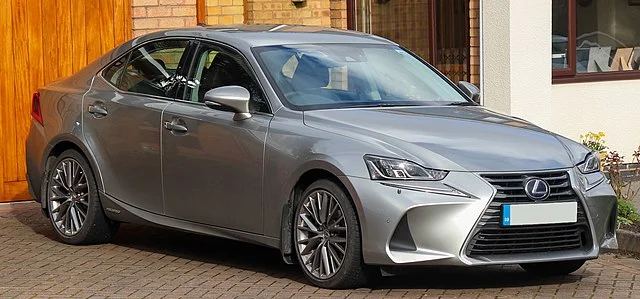
Main Lexus Is250 Years To Avoid
If you look at owner reports, repair databases, and expert reviews, a few years come up again and again as risky. Here’s a closer look at the IS250 years you should approach with caution:
1. 2006 Lexus Is250
The 2006 IS250 was the first year for the second-generation IS. First-year redesigns often have teething issues. Common complaints include:
- Carbon buildup in the engine, causing rough idle and loss of power.
- Dashboard melting due to cheap materials that don’t resist heat.
- Water pump failures, sometimes before 60,000 miles.
- Electronic problems with the dashboard or infotainment system.
These issues can be costly to fix. Many owners report repairs costing over $2,000 for carbon buildup cleaning alone. The dashboard melting is especially bad in places like Florida, Texas, and California, where summer heat is intense. Some owners say the dashboard becomes so sticky that it’s difficult to clean, and the glare from the shiny surface can make driving unsafe.
The water pump failures often happen without warning and can cause overheating, which may damage the engine if not addressed quickly. Electronic problems, such as malfunctioning instrument clusters or unresponsive buttons, frustrate owners who expect Lexus-level quality.
2. 2007 Lexus Is250
The 2007 model continued to have problems similar to the 2006, though some minor improvements were made. Still, complaints include:
- Sticking accelerator pedal (eventually leading to recalls).
- Premature brake wear.
- Dashboard and interior trim issues.
- Ongoing engine carbon buildup.
The 2007 isn’t quite as risky as 2006, but it’s still one of the years to avoid if possible. The sticking accelerator pedal became a concern after several reports, prompting Lexus to issue a recall. If not fixed, the pedal can cause unintended acceleration or loss of control.
Premature brake wear means you may need to replace pads and rotors more often, adding to maintenance costs. Interior trim issues include peeling or cracking materials, which affect the car’s resale value and appearance.
3. 2008 Lexus Is250
The 2008 IS250 saw some improvements, but still suffers from:
- Persistent carbon buildup problems.
- Reports of electrical issues and sunroof leaks.
- Some owners mention transmission hesitation.
Repairs for these problems are not always covered by warranty, so costs can add up. Sunroof leaks can cause water damage to the headliner and electronics, leading to musty smells and expensive repairs. Transmission hesitation may show up during acceleration, especially in city driving.
Sometimes, software updates can help, but not always.
Electrical issues range from malfunctioning power windows to random warning lights on the dashboard. These are often difficult to diagnose, and fixing them may require replacing expensive control modules.
4. 2010 Lexus Is250
By 2010, Lexus addressed some previous issues, but new ones appeared:
- Fuel injector failures leading to rough running.
- Steering system faults.
- Persistent carbon buildup (though slightly reduced from earlier years).
The 2010 is a bit more reliable, but not trouble-free. Fuel injector failures can cause misfires or poor performance, and replacement injectors are not cheap. Steering system faults include electronic power steering errors, which can affect handling or even make the car difficult to steer in some cases.
Carbon buildup is less common than in earlier years, but still present, especially if the car was used mostly for short trips. Highway driving helps reduce buildup, but city drivers should be extra cautious.
5. 2013 Lexus Is250
The 2013 model year is another to approach with caution. Problems include:
- Infotainment system glitches.
- Premature battery failures.
- Brake actuator problems, which can be expensive to repair.
These issues aren’t as widespread as in earlier models, but repairs can still be expensive. Infotainment glitches include freezing screens, unresponsive touch controls, or sudden rebooting while driving. Some owners report that the navigation system loses its position or fails to load maps.
Premature battery failures can cause a range of electrical problems, from dim headlights to malfunctioning keyless entry. Brake actuator problems are serious, affecting braking performance and often requiring a costly replacement of the entire system.
Comparison Of Key Problem Years
To help you compare, here’s a summary of the most common issues for the main IS250 years to avoid:
| Model Year | Major Issues | Estimated Repair Cost |
|---|---|---|
| 2006 | Engine carbon buildup, dashboard melting, water pump failure | $1,500 – $3,000 |
| 2007 | Accelerator pedal, brake wear, engine carbon buildup | $1,200 – $2,800 |
| 2008 | Engine carbon buildup, electrical, sunroof leaks | $1,000 – $2,200 |
| 2010 | Fuel injectors, steering, carbon buildup | $1,200 – $2,500 |
| 2013 | Infotainment, battery, brake actuator | $1,000 – $2,400 |
Why Is Carbon Buildup A Big Problem?
One of the most common and costly issues in early IS250 models is engine carbon buildup. The IS250 uses a direct injection engine, which means fuel is sprayed directly into the combustion chamber. This design can improve power and fuel economy, but it has a downside: over time, carbon deposits build up on the intake valves. This can cause:
- Rough idle
- Loss of power
- Check engine lights
- Poor fuel economy
Cleaning these deposits isn’t cheap—it often costs more than $1,500 at a dealership. Some owners try DIY methods, but results vary.
Non-obvious insight: Many used car buyers don’t know about direct injection carbon buildup. Even cars with low mileage can have this issue if driven mostly in the city or with short trips. The carbon buildup is caused because direct injection doesn’t wash the valves with fuel, unlike older designs. This means deposits can grow quickly, especially if the car isn’t driven hard or taken on longer journeys.
A practical tip: If you buy an IS250, consider using a fuel system cleaner every few months and drive the car on the highway at higher speeds occasionally. This can help keep the engine cleaner and reduce carbon accumulation.
Interior Problems: Melting Dashboards
Some early IS250 models, especially in hot climates, have a dashboard melting problem. The material Lexus used was not heat-resistant enough. Over time, the dashboard can become sticky, shiny, or even start to disintegrate. This isn’t just cosmetic—the reflection can make it hard to see while driving.
Lexus offered some replacements under warranty, but for many owners, it’s an expensive fix. Replacement dashboards can cost over $1,500 installed. In some cases, owners resorted to dashboard covers or DIY fixes, but these often don’t look great and can lower resale value.
Extra detail: The melting dashboard often leads to other problems, like a strong chemical smell inside the car or surfaces that attract dust and dirt. This can make the interior less pleasant and create ongoing cleaning challenges.
Electrical And Infotainment Glitches
As the IS250 added more tech features, new problems appeared. The infotainment system and electrical controls in some years can freeze, reboot, or stop working. Fixing these isn’t always as simple as changing a fuse—sometimes the whole unit must be replaced.
Non-obvious insight: Some electrical problems are linked to early battery failure. If you notice screen glitches, check the battery health first. A weak battery can cause all sorts of strange issues in modern cars.
Another hidden issue: Sometimes, a faulty alternator or loose wiring can mimic battery problems. If you’re troubleshooting, ask your mechanic to check both the battery and alternator output. This can save you money and avoid unnecessary part replacements.
How To Spot Risky Lexus Is250 Years
You don’t need to be a mechanic to spot a risky IS250. Here are practical tips:
- Check for recalls: Always search the VIN for open recalls.
- Ask about service history: A well-maintained IS250 is less likely to have big problems.
- Look for dashboard condition: Sticky or shiny dashboards mean exposure to heat and possible melting.
- Test drive for rough idle or hesitation: This can indicate carbon buildup.
- Check electronics: Test all buttons, screens, and features.
Don’t rush—take your time checking any used IS250. Also, listen for unusual noises during the test drive, like clicking from the dashboard or squeaking brakes. These can be early signs of bigger issues. If possible, ask the seller if recent repairs have been made and request receipts or documentation.
Years That Are Considered Safer
Not every IS250 year is problematic. In fact, some years are known for above-average reliability. If you’re set on an IS250, these years are worth considering:
- 2009: Most early issues were fixed, but still check for carbon buildup.
- 2011-2012: These years see fewer complaints and improved build quality.
- 2014 and newer: These models feature a new generation with updated engines and tech. Problems are less common.
A 2014 or newer IS250 is especially recommended for buyers looking for modern technology, improved safety, and fewer mechanical headaches. These models benefit from lessons learned in earlier years and often come with updated infotainment systems, better materials, and more advanced safety features.
Is250 Vs. Competitors: Reliability
How does the IS250 compare to similar cars? Here’s a quick look at reliability vs. two main rivals:
| Model | Common Issues | Repair Cost (avg.) | Reliability Score* |
|---|---|---|---|
| Lexus IS250 | Carbon buildup, dashboard, electronics | $1,200 | 8/10 |
| BMW 3 Series | Cooling system, oil leaks, electrical | $1,600 | 6/10 |
| Acura TL | Transmission, suspension | $1,400 | 7/10 |
*Reliability scores based on owner surveys and repair data.
The IS250’s main advantage is lower repair costs and fewer major failures compared to European rivals. The BMW 3 Series is famous for its driving performance, but repairs are often more expensive and frequent. The Acura TL is reliable but known for transmission issues, especially in older models.
Lexus IS250 wins for long-term peace of mind if you choose the right year.
What To Do If You Already Own A Risky Is250 Year
If you own or just bought an IS250 from a year with known issues, don’t panic. Many problems can be managed or prevented with the right care:
- Regular maintenance: Always use high-quality oil and change it on time.
- Carbon cleaning: Consider professional cleaning every 50,000 miles if you notice performance drops.
- Protect the dashboard: Use sunshades and conditioner to prevent further melting.
- Battery care: Replace the battery every 3-4 years to avoid electrical gremlins.
Proactive care can add years to your car’s life and reduce repair bills. You can also install a cabin air filter to keep the interior cleaner and fresher, especially if you live in a hot climate. If you notice any warning lights or unusual sounds, address them quickly to prevent bigger problems.
When Shopping For A Used Is250: Buyer’s Checklist
Here’s a simple checklist to help you avoid common mistakes:
- Inspect the car in daylight and dry weather.
- Bring a trusted mechanic or get a pre-purchase inspection.
- Review the Carfax or similar report for accidents or flood damage.
- Test every feature—sunroof, windows, infotainment, climate control.
- Negotiate price if you find minor issues. Many sellers expect this.
Common mistake: Some buyers assume all Lexus models are “bulletproof.” Even reliable brands have off years. Always check the specific year and trim.
Extra tip: Don’t skip the test drive. Drive on both city streets and highways to check for hesitation, rough idle, or unusual noises. Ask about previous ownership—cars owned by individuals who followed maintenance schedules are usually safer.

Cost Of Ownership: Is250 Risk Years Vs. Safe Years
Buying a risky IS250 year can mean higher costs over time. Here’s an ownership cost comparison over five years:
| Year Group | Average Annual Repair Cost | Common Repairs |
|---|---|---|
| 2006-2008 (Risky) | $700 | Carbon cleaning, dashboard, water pump |
| 2009-2012 (Safe) | $450 | Routine maintenance, brakes |
| 2014+ | $350 | Routine maintenance |
The difference adds up quickly—choosing a safer year can save you over $1,000 in five years. If you have a tight budget, these savings matter a lot.
The Bottom Line: Should You Avoid All Is250s?
Not at all. The Lexus IS250 has a strong reputation for comfort and style. But some years, especially 2006-2008, come with higher risks and costs. If you’re set on an IS250, focus your search on 2009 or newer models. You’ll enjoy the Lexus experience with fewer headaches.
For more in-depth data and recall history, check the official NHTSA database before you buy.
Frequently Asked Questions
What Is The Worst Year For The Lexus Is250?
The 2006 Lexus IS250 is widely considered the worst year due to engine carbon buildup, dashboard melting, and water pump failures. Many of these problems are expensive to fix.
Are Later Model Is250s More Reliable?
Yes. Models from 2009 and newer are generally more reliable, with fewer complaints and improved build quality. Always check service history before buying any used car.
Can Engine Carbon Buildup Be Prevented?
You can reduce the risk by using high-quality fuel, changing oil regularly, and occasionally driving at highway speeds (to “blow out” deposits). Professional cleaning is sometimes needed every 50,000 miles.
How Long Does A Lexus Is250 Last?
With proper care, an IS250 can last over 200,000 miles. Avoiding risky years and following maintenance schedules are the keys to longevity.
Is The Lexus Is250 Expensive To Repair?
Compared to German rivals, the IS250 is cheaper to maintain. However, repairs like carbon buildup cleaning or dashboard replacement can cost over $1,500 each.
Buying a used Lexus IS250 can be a great choice if you do your homework. Focus on the safer years, avoid the ones with common problems, and you’ll likely enjoy years of reliable driving.