
Understanding which Infiniti QX56 years to avoid is crucial for any potential buyer looking for a luxury SUV. While the Infiniti QX56 offers impressive space, comfort, and power, not all model years deliver the same level of reliability.
This comprehensive guide will equip you with the knowledge to identify problematic years. You will learn about common mechanical issues and how to make an informed decision, safeguarding your investment from unexpected repair bills.
The Enduring Appeal of the Infiniti QX56
The Infiniti QX56 has consistently been a strong contender in the full-size luxury SUV market. Its commanding road presence and elegant design are often highlights for owners.
Drivers frequently praise its exceptionally comfortable ride, making long journeys enjoyable for all passengers. The upscale interior provides a premium feel, packed with desirable features.
With generous seating for up to eight and substantial cargo capacity, the QX56 is perfectly suited for large families or those needing ample space. Its robust V8 engine also offers impressive towing capabilities, enhancing its versatility.
Despite these appealing characteristics, certain model years have unfortunately gained a reputation for unreliability. Thorough research into potential issues is vital before committing to a purchase.
This due diligence ensures that you can fully enjoy the luxury and performance of the QX56 without the common frustrations associated with specific, less dependable model years.
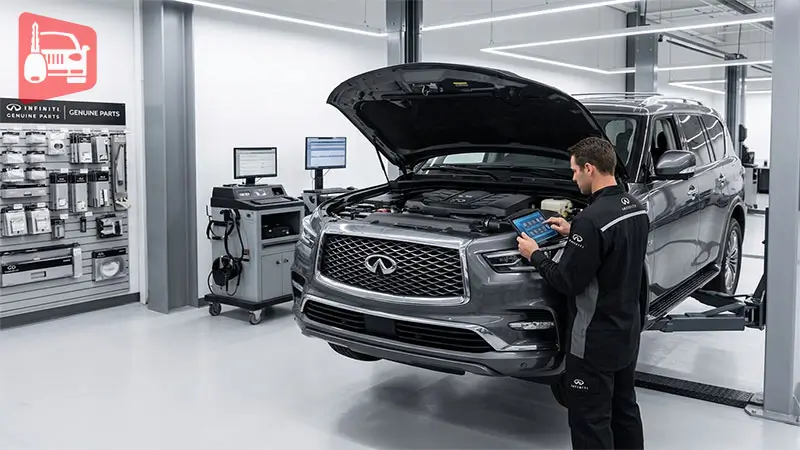
Key Infiniti QX56 Years to Avoid for Optimal Reliability
When you are considering a used Infiniti QX56, some model years are frequently cited for recurring mechanical problems. These issues can range from minor electrical glitches to significant drivetrain failures.
Identifying these problematic years is the most important step in making a wise purchasing decision. Generally, the primary Infiniti QX56 years to avoid are found within its first generation and the initial years of its second generation.
First-Generation Challenges: 2004-2010 Models
The first generation of the Infiniti QX56, produced from 2004 through 2010, is known for several documented issues. These problems often lead to expensive repairs and considerable owner dissatisfaction.
Many of the critical concerns for these years revolve around the vehicle’s powertrain and its structural integrity.
Transmission Problems
One of the most widely reported issues for the 2004-2010 QX56 models involves the automatic transmission. Owners frequently experience symptoms such as harsh shifting, noticeable shuddering, or, in severe cases, complete transmission failure.
These transmission problems can manifest at varying mileages, sometimes occurring even before 100,000 miles. Replacing or rebuilding a transmission is an exceptionally expensive repair.
Such a repair can easily cost several thousands of dollars, making these specific years a significant financial risk. This firmly places them among the Infiniti QX56 years to avoid unless proof of a recent transmission overhaul is available.
Differential Issues
Another prevalent concern for the first-generation QX56 is problems with the rear differential assembly. Owners have often reported distinct whining or grinding noises emanating from the rear end of the vehicle.
These sounds typically indicate a failing differential, which can lead to noticeable driveability issues. Ignoring differential problems can result in total failure and a complete loss of power to the wheels.
Repair costs for differential issues can also be quite substantial, adding another layer of potential expense to these older models.
Rust Concerns
For QX56 models that have been operated in regions with severe winters or where roads are heavily salted, rust can become a very significant problem. The vehicle’s frame, critical suspension components, and the exhaust system are particularly vulnerable to corrosion.
Excessive rust can seriously compromise the vehicle’s structural integrity, potentially affecting its safety in an accident. Furthermore, significant rust can make future repairs far more difficult and expensive to perform.
It is absolutely essential to thoroughly inspect the undercarriage for any signs of severe rust when considering these older models, especially if they hail from colder climates.
Electrical Glitches
Various electrical problems have been reported across the 2004-2010 model years. This includes issues with engine sensors, power window mechanisms, and the vehicle’s infotainment system.
While some electrical issues might seem minor, they can be incredibly frustrating to deal with and often difficult to accurately diagnose. Persistent electrical problems can also negatively impact the vehicle’s overall reliability and user experience.
Early Second-Generation Concerns: 2011-2013 Models
The second generation of the Infiniti QX56 was introduced in 2011, bringing with it a refreshed design and updated features. However, the initial years of this generation were not without their own set of significant problems.
These particular issues are especially critical and often prove to be very expensive to rectify, making these models important Infiniti QX56 years to avoid for many buyers.
Timing Chain Issues
Perhaps the most widely recognized and notorious problem for the 2011-2013 Infiniti QX56 models is premature timing chain wear. The V8 engine used in these specific years is susceptible to timing chain guide failure.
Symptoms of this issue typically include a distinct whining or rattling noise, particularly noticeable during cold starts. If these timing chain issues are not addressed promptly, they can lead to catastrophic engine damage.
The repair process involves extensive labor to access and replace the timing chain components, frequently costing thousands of dollars. This specific and severe issue firmly positions these models among the Infiniti QX56 years to avoid unless concrete evidence of the repair has already been completed.
Fuel Pump Failures
Some owners of the 2011-2013 QX56 have reported problems with the vehicle’s fuel pump. A failing fuel pump can cause the engine to stall unexpectedly, make starting the vehicle difficult, or even lead to a complete loss of power while driving.
Such an issue can pose a significant safety concern, especially when operating the vehicle at highway speeds. Fuel pump replacement is a moderately expensive repair.
It is crucial to ensure that any prospective QX56 from these years has no known history of fuel delivery problems or has had the fuel pump recently replaced.
Air Suspension Problems
The Infiniti QX56 often features an air suspension system designed to provide a smoother ride and self-leveling capabilities. However, components within this system, such as the air springs and compressor, can fail over time.
Symptoms of air suspension failure include a noticeable sagging of the rear end, a harsher than usual ride quality, or the air compressor running excessively. Repairs for air suspension systems can be quite costly.
Many owners facing these issues opt to convert their vehicles to traditional coil springs, which represents a significant modification and additional expense.
Premature Brake System Wear
The QX56 is a substantial and heavy vehicle, and this considerable weight places significant strain on its braking system. Premature wear of brake pads and rotors is a very common complaint among owners.
Owners may experience pulsing or vibrations through the brake pedal during braking, indicating warped rotors. While not a catastrophic failure, the need for frequent brake replacements adds considerably to the overall cost of ownership.
Regular inspection and the use of high-quality, heavy-duty brake components are essential for these models.
General Issues Across All QX56 Generations
Beyond the specific concerns tied to certain model years, some issues are broadly applicable to the Infiniti QX56. These are often related to the vehicle’s large size, weight, and the complexity of its luxury features.
- Brake System Wear: Due to the vehicle’s substantial weight, brake pads and rotors tend to wear out more quickly than in lighter vehicles. Regular inspection and timely replacement are necessary to maintain safety.
- Suspension Components: Bushings, ball joints, and shocks can wear out over time, leading to a less comfortable ride and potential alignment issues. This wear is common for all large, heavy SUVs.
- Infotainment System Aging: Older navigation systems and multimedia interfaces can become outdated or experience occasional glitches. Software updates may not always be available for models from earlier years.
- Power Steering Leaks: Hoses and pumps within the power steering system can develop leaks over time. This can result in a loss of power assist and potential damage to the power steering pump itself.
- HVAC System Issues: Problems with the air conditioning compressor, condenser, or heater core can arise. These issues can be complex and expensive to diagnose and repair, especially in a luxury vehicle.
Why Identifying Problematic Years Matters
Understanding these common problems and knowing which Infiniti QX56 years to avoid is critical for several important reasons. Primarily, it helps you steer clear of unexpected and substantial financial burdens.
Major repairs, such as transmission overhauls or engine timing chain replacements, can easily cost thousands of dollars. These significant expenses can quickly negate any initial savings from purchasing a cheaper, older model.
Secondly, persistent reliability issues can severely detract from your overall driving experience. Frequent breakdowns, unexpected visits to the mechanic, or recurring problems lead to considerable stress and inconvenience.
Safety is another paramount concern that must not be overlooked. Issues related to the brakes, steering system, or suspension can compromise the vehicle’s safety on the road. It is always advisable to prioritize safety above all else when purchasing any used vehicle.
Finally, vehicles with known systemic problems tend to have a lower resale value. You might find it challenging to sell the car later on, potentially incurring further financial loss.
What to Look For When Buying a Used Infiniti QX56
If you are still intent on purchasing an Infiniti QX56, particularly one from a potentially problematic year, an extremely thorough inspection is absolutely paramount. Here is a detailed checklist to guide your search and minimize risks.
- Pre-Purchase Inspection (PPI): This is arguably the single most important step. Arrange for an independent, trusted mechanic specializing in Infiniti or luxury SUVs to inspect the vehicle thoroughly. They can identify hidden issues that might not be obvious to an untrained eye.
- Service Records: Always request a complete and detailed service history for the vehicle. Look for evidence of regular, diligent maintenance and any major repairs that have been performed, especially those related to the common issues mentioned in this guide.
- Comprehensive Test Drive Checklist:
- Listen carefully for any unusual noises, such as whining, rattling, grinding, or clunking sounds, particularly from the engine, transmission, or differentials.
- Feel for rough shifting, hesitation, or any slipping sensations in the transmission as you accelerate and decelerate.
- Check the brake performance thoroughly, noting any pulsing, vibrations, or excessive pedal travel.
- Test all electrical components, including power windows, door locks, lights, the sunroof, and the entire infotainment system.
- Pay close attention to any warning lights on the dashboard, such as the Check Engine Light, ABS light, or airbag warning.
- Check for Recalls: Use the vehicle’s VIN (Vehicle Identification Number) to check for any outstanding safety recalls. Ensure that all recall work has been completed by an authorized dealership. You can typically do this on the NHTSA website or by contacting an Infiniti dealer directly.
- Rust Inspection: Carefully examine the frame, rocker panels, wheel wells, and all suspension components for any signs of excessive rust or corrosion. This is especially critical for vehicles that have spent their lives in colder climates where road salt is used.
More Reliable Infiniti QX56 Years to Consider
While there are definitive Infiniti QX56 years to avoid, it is important to note that not all models are plagued with issues. Later models, particularly those produced after the major timing chain issues were resolved, generally offer significantly better reliability.
The QX56 underwent a rebranding and became known as the Infiniti QX80 starting with the 2014 model year. The 2014 and newer QX80 models are essentially the same robust second-generation platform as the QX56.
These newer models are typically more reliable, often featuring updated components and having addressed many of the earlier design concerns. If your budget permits, focusing your search on these newer QX80 models can provide considerably greater peace of mind.
Even with these more reliable newer models, a thorough pre-purchase inspection remains a very wise and recommended investment to confirm their condition.
Maintaining Your Infiniti QX56 for Extended Longevity
Proper and consistent maintenance is absolutely essential for extending the life and reliability of any vehicle, including the Infiniti QX56. Even the most reliable models benefit immensely from diligent care and attention.
- Regular Oil Changes: Adhere strictly to the manufacturer’s recommended oil change intervals and always use the correct type and viscosity of oil. This is crucial for optimal engine health and longevity.
- Transmission Fluid Service: While some manufacturers claim “lifetime” fluid, many automotive experts recommend periodic transmission fluid changes. This proactive measure can help prevent premature wear and extend the transmission’s lifespan.
- Brake Maintenance: Regularly inspect brake pads, rotors, calipers, and the brake fluid level and condition. Replace components as needed to ensure optimal stopping power and safety.
- Tire Rotation and Alignment: Proper tire care, including regular rotation, helps distribute wear evenly across all tires and maintains good handling characteristics. Regular wheel alignments prevent premature tire wear and improve fuel efficiency.
- Address Warning Lights Promptly: Never ignore a check engine light or any other dashboard warning indicators. Get the vehicle diagnosed by a qualified professional immediately to prevent minor issues from becoming major problems.
- Coolant System Checks: Ensure the cooling system, including the radiator, hoses, and coolant level, is in excellent condition. Preventing overheating is vital, as it can lead to severe and irreversible engine damage.
Understanding the Cost of Ownership: Repairs and Maintenance
Owning a luxury SUV such as the Infiniti QX56 comes with certain financial expectations regarding maintenance and repairs. These costs can often be higher compared to non-luxury or mass-market vehicles.
Parts for luxury vehicles are often proprietary, more specialized, or manufactured to higher specifications, leading to increased costs. Labor rates at Infiniti dealerships or specialized independent shops can also be higher due to specialized training and equipment.
For example, a timing chain repair on a 2011-2013 QX56 can realistically range from $3,000 to $6,000 or even more, depending on the specific shop and geographical location. A transmission replacement might cost upwards of $4,000 to $7,000.
Even routine maintenance, such as comprehensive brake jobs or major service intervals, will typically cost more than for a standard SUV. Budgeting adequately for these potential expenses is a crucial aspect of responsible luxury vehicle ownership.
Frequently Asked Questions
Is the Infiniti QX56 a reliable SUV?
The reliability of the Infiniti QX56 varies significantly by model year. Newer models, particularly the 2014 and later QX80 (which is the rebranded QX56), tend to be more reliable. However, specific older models, especially from 2004-2013, have documented issues that can negatively impact their overall reliability.
What are the most common problems with the Infiniti QX56?
Common problems for the QX56 include transmission issues (primarily 2004-2010 models), premature timing chain wear (notorious in 2011-2013 models), differential problems, and air suspension failures. General issues across generations often involve heavy brake wear due to the vehicle’s substantial weight.
How much does it cost to fix a timing chain on a QX56?
Repairing a timing chain on an Infiniti QX56, especially the problematic 2011-2013 models, is a major and expensive undertaking. Costs typically range from $3,000 to $6,000 or potentially more, depending on the mechanic’s labor rates and parts involved, due to the extensive engine disassembly required.
When did the QX56 transition to the QX80?
The Infiniti QX56 was officially rebranded as the Infiniti QX80 starting with the 2014 model year. This change was part of Infiniti’s global naming strategy, though the core vehicle itself largely retained the same second-generation platform and design.
What essential checks should I perform before buying a used Infiniti QX56?
Always arrange for a comprehensive pre-purchase inspection by an independent, trusted mechanic. Thoroughly review all available service records for consistent maintenance and any major repairs. Conduct a detailed test drive, listening for unusual noises and verifying all vehicle functions. Additionally, meticulously check for any signs of rust and ensure there are no open recalls.
Are there any outstanding recalls for the Infiniti QX56?
Yes, like many vehicles, the Infiniti QX56 has had various safety recalls issued throughout its production years. It is absolutely essential to check the specific vehicle’s VIN on the NHTSA website or with an authorized Infiniti dealership to confirm that all applicable recalls have been properly addressed before purchasing.
Conclusion
Choosing an Infiniti QX56 requires careful and informed consideration, particularly concerning specific model years. Understanding precisely which Infiniti QX56 years to avoid is the cornerstone of ensuring a satisfying and financially sound ownership experience.
While the QX56 undeniably offers luxury, comfort, and formidable capability, the 2004-2010 models are frequently associated with transmission and differential issues. The 2011-2013 models, in particular, are notorious for expensive timing chain problems.
These documented issues can lead to significant, unexpected, and budget-straining repair costs. By prioritizing a thorough pre-purchase inspection, meticulously reviewing comprehensive service records, and ideally opting for later, generally more reliable model years (such as the 2014 and newer QX80), you can substantially mitigate potential risks.
Make an educated and informed decision to ensure your luxury SUV truly provides the comfort, performance, and reliability you expect for many years to come. Don’t let an attractive initial deal transform into a costly long-term nightmare; diligent research and careful inspection always pay off.