
Buying a used car can feel risky, especially when you want something stylish and comfortable like the Volkswagen CC. This sedan was known for its sporty looks and premium features, but not all years are equal. If you’re thinking about getting a Volkswagen CC, it’s smart to learn which years to avoid—and why. With careful research, you can skip the headaches that come from costly repairs, poor reliability, and hidden issues.
This guide is for anyone who wants a clear answer about the Volkswagen CC years to avoid. Whether you’re a first-time buyer or a car enthusiast, you’ll find practical advice, real-world examples, and detailed comparisons. Let’s break down which CC models are best left off your list, and help you make a confident choice.
Understanding The Volkswagen Cc: Brief Overview
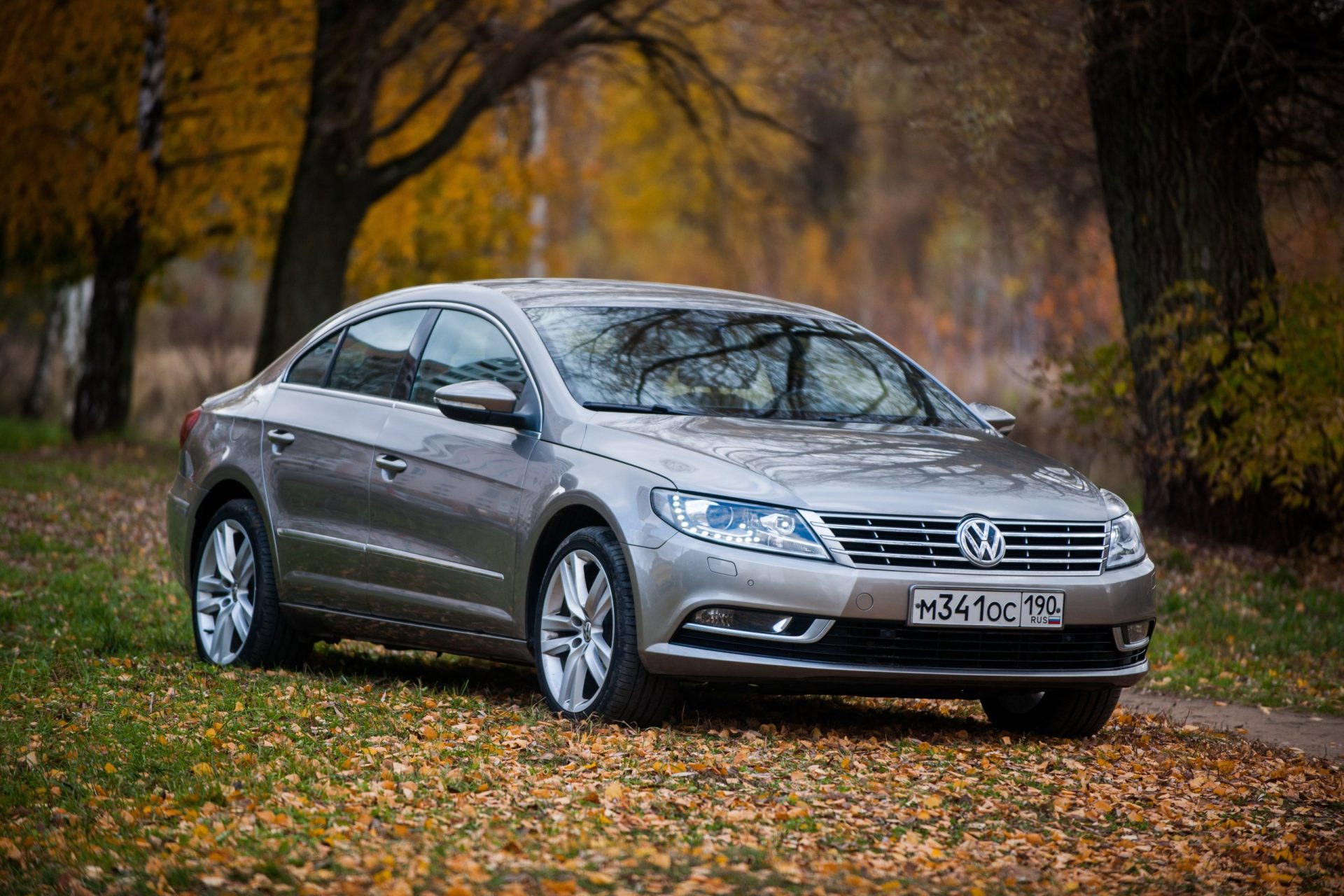
The Volkswagen CC was introduced in 2008 as a more luxurious, coupe-styled version of the Passat. Its name stands for “Comfort Coupe,” and it was marketed as a four-door sedan with sporty lines. The CC was sold in the US from 2009 to 2017, with several updates along the way.
Some highlights include:
- Sleek, elegant design
- Upscale interior
- Turbocharged engines
- Advanced safety features (in later years)
But behind the stylish exterior, not every year delivered the same quality. Some models suffered from reliability issues, expensive maintenance, and frustrating recalls. Understanding these differences is key to choosing a CC you’ll love.

Volkswagen Cc Years To Avoid: Detailed Breakdown
Not all Volkswagen CCs are trouble-free. Based on owner reports, recall data, and expert reviews, some years consistently show more problems than others. Here are the years you should be cautious about:
1. 2009 Volkswagen Cc
The first model year introduced the CC to the US market. While it impressed with looks and features, the 2009 CC quickly built a reputation for reliability headaches.
Common issues:
- Engine failure: Many owners reported sudden engine breakdowns, often due to faulty timing chains.
- Electrical problems: Malfunctioning sensors, dashboard lights, and power window failures.
- Transmission glitches: Hesitation and rough shifting, especially in automatic models.
Repair costs for major problems often exceeded $2,000. Many buyers felt disappointed as issues appeared just after warranty expired.
2. 2010 Volkswagen Cc
The 2010 CC saw few improvements over the previous year. In fact, some problems became more widespread.
Frequent complaints:
- Fuel system faults: High-pressure fuel pump failures led to stalling and poor acceleration.
- Water leaks: Faulty door seals let water into the cabin, causing mold and electrical shorts.
- Turbocharger issues: Turbo failures led to loss of power and expensive repairs.
One overlooked insight: the 2010 CC had more recalls for airbag problems than most competitors, according to NHTSA data.
3. 2012 Volkswagen Cc
While some earlier problems improved, the 2012 CC introduced new headaches.
Key problems:
- ABS control module failure: The anti-lock brake system often stopped working, costing $1,500+ to fix.
- Timing chain tensioner issues: Engine damage was common if not fixed early.
- Paint quality: Flaking and peeling paint appeared, especially in dark colors.
This year also saw more complaints about steering lock failures, leaving drivers stranded.
4. 2013 Volkswagen Cc
The 2013 CC had a refreshed design, but reliability didn’t keep pace.
Common issues:
- Electrical system malfunctions: Keyless entry stopped working, infotainment screens went blank, and battery drains were frequent.
- Turbocharger problems: Still a concern, especially on higher-mileage cars.
- Suspension noise: Many drivers noticed creaking and knocking sounds from the front end.
Compared to other years, the 2013 model had more complaints about the DSG transmission, especially jerky shifts and limp mode.
5. 2015 Volkswagen Cc
The 2015 CC was near the end of the model’s run, but some issues remained.
Reported problems:
- Airbag recall: The Takata airbag crisis affected this year, leading to urgent repairs.
- Engine oil leaks: Especially around the valve cover gasket.
- Sensor failures: Oxygen and mass airflow sensors failed more often, affecting performance and emissions.
This year is often overlooked, but owners report that repair costs can add up quickly after 60,000 miles.
Comparison Table: Volkswagen Cc Problem Years
Here’s a quick overview of the most problematic years and their common issues:
| Year | Main Issues | Estimated Repair Cost (USD) | Recall Count |
|---|---|---|---|
| 2009 | Engine failure, electrical problems | $2,000-$4,000 | 7 |
| 2010 | Fuel pump, water leaks, turbocharger | $1,500-$3,500 | 9 |
| 2012 | ABS module, timing chain, paint | $1,800-$3,200 | 6 |
| 2013 | Electrical, turbocharger, suspension | $1,700-$3,000 | 8 |
| 2015 | Airbag, oil leaks, sensors | $1,500-$2,800 | 5 |
Why These Years Are Problematic
Let’s dig deeper into why these years stand out for trouble.
Engine Issues
The CC’s turbocharged engines are powerful, but also complex. Early models (2009-2012) had problems with timing chains and fuel pumps. If these parts fail, the engine can break down completely. Repairs often require removing the engine—a costly job. Many buyers don’t realize that skipping regular maintenance can speed up these failures.
Electrical Problems
Volkswagen used advanced electronics in the CC, but early systems weren’t very reliable. Faulty sensors, wiring harnesses, and control modules caused issues like power window failures, blank dashboards, and battery drains. These problems can be difficult to diagnose, leading to repeated trips to the mechanic.
Water Leaks And Mold
A non-obvious insight: water leaks inside the cabin are more than just annoying. They cause mold, ruin carpets, and can short out electronics. The CC’s door seals and sunroof drains were weak points, especially in humid climates.
Transmission Glitches
The DSG automatic transmission is smooth and fast—when it works. Years like 2013 saw complaints of rough shifting, hesitation, and “limp mode. ” Fixing transmission problems often costs over $2,500.
Recalls And Safety
Safety recalls affect every car, but some CC years had more than average. Airbag, ABS, and steering lock failures led to urgent recalls. If you buy a problematic year, check that all recalls were fixed.
Volkswagen Cc Years Worth Considering
Not every CC year is a disaster. If you want a stylish sedan with fewer headaches, some years are better.
2011 Volkswagen Cc
The 2011 CC fixed some earlier issues, especially with the timing chain and electronics. Owners report fewer breakdowns and lower repair costs.
2014 Volkswagen Cc
This year saw a refreshed design and improved reliability. Electrical and turbocharger problems dropped, and paint quality improved.
2016–2017 Volkswagen Cc
The last two years of production had the most reliable CCs. Volkswagen fixed many earlier issues, and these models have better infotainment, fewer recalls, and stronger engines.
Comparison Table: Volkswagen Cc Safer Years
Let’s compare the safer years side by side:
| Year | Engine Reliability | Electrical Issues | Average Repair Cost |
|---|---|---|---|
| 2011 | Good | Moderate | $1,200 |
| 2014 | Very Good | Low | $950 |
| 2016–2017 | Excellent | Minimal | $800 |
Hidden Costs: What Most Buyers Don’t See
Many buyers focus on the purchase price, but owning a CC can mean surprise expenses. Here are two non-obvious insights:
- Insurance premiums: Some problematic years cost more to insure because repair costs are higher.
- Parts availability: Older CC models (especially 2009–2012) may need parts that are hard to find, leading to longer repair times and higher bills.
Before buying, check insurance quotes and ask your mechanic about parts for the year you’re considering.
Common Buyer Mistakes
Avoiding a bad CC year is only part of the story. Many buyers make mistakes that lead to frustration.
- Skipping a pre-purchase inspection: Always have a trusted mechanic check the car before you buy.
- Ignoring recall history: Make sure all recalls have been fixed—ask for documentation.
- Not budgeting for maintenance: Turbocharged engines need regular oil changes and quality fuel. Neglect leads to big repairs.
- Overlooking water leaks: Check carpets and under seats for moisture. Mold can be hidden but dangerous.
How To Spot A Problematic Volkswagen Cc
If you’re shopping for a CC, look for signs of trouble. Here’s a checklist to help you:
- Listen for engine noise: Rattling or ticking sounds may mean timing chain problems.
- Test all electronics: Windows, locks, and infotainment should work smoothly.
- Inspect for water damage: Check carpets, headliner, and trunk for stains or smells.
- Review maintenance records: Ask for proof of regular oil changes and repairs.
- Check for recall repairs: Search the VIN on NHTSA and confirm all recalls are completed.
Alternatives To The Volkswagen Cc
If you decide the CC isn’t right for you, consider these alternatives. They offer similar style and features, with better reliability.
Audi A4
A premium sedan with strong reliability, sporty handling, and upscale features.
Toyota Camry
Not as stylish, but famous for durability and low maintenance costs.
Mazda 6
Sporty design, good reliability, and lower repair costs.
Comparison Table: Cc Vs Alternatives
Here’s how the CC stacks up against popular alternatives:
| Model | Reliability Score (out of 10) | Average Repair Cost | Style Rating |
|---|---|---|---|
| Volkswagen CC | 6 | $1,600 | 8 |
| Audi A4 | 8 | $1,400 | 9 |
| Toyota Camry | 9 | $800 | 6 |
| Mazda 6 | 8 | $900 | 8 |
Final Tips For Buying A Used Volkswagen Cc
If you still want a CC, here are some smart steps:
- Choose a 2014 or later model for fewer problems.
- Ask the seller for maintenance records and recall repair history.
- Get a pre-purchase inspection from a Volkswagen specialist.
- Check for water leaks and electrical faults before buying.
- Budget for higher maintenance costs compared to Japanese sedans.
When you follow these steps, you’ll avoid most surprises and enjoy a stylish ride.
Frequently Asked Questions
Is The Volkswagen Cc Expensive To Maintain?
The CC can be more expensive to maintain than mainstream sedans. Turbocharged engines need regular oil changes and quality fuel. Electrical repairs and engine work can cost over $1,500. Choosing a reliable year lowers these costs.
What Is The Most Reliable Volkswagen Cc Year?
Most experts recommend the 2014, 2016, and 2017 CC models. These years have fewer recalls, better electronics, and improved engine reliability.
How Do I Check For Recalls On A Used Volkswagen Cc?
Visit the official NHTSA website and enter the car’s VIN. It will show all open recalls. Ask the seller for proof that repairs were completed.
Is The Volkswagen Cc A Good Family Car?
The CC offers comfort and style, but some years have issues with water leaks and electrical faults. Later models (2014+) are safer for families, but rear headroom is limited due to the coupe design.
Are There Better Alternatives To The Volkswagen Cc?
Yes. The Audi A4, Toyota Camry, and Mazda 6 offer similar features with better reliability and lower maintenance costs. Consider these if you want fewer repair worries.
Buying a used Volkswagen CC can be rewarding if you choose the right year. Avoid problematic models like 2009, 2010, 2012, 2013, and 2015. Focus on later years, check all records, and always get a pre-purchase inspection. For more detailed reliability data, you can visit Consumer Reports.
With careful research and smart choices, you’ll enjoy a stylish, comfortable ride without the stress of hidden problems.