
Owning an Alfa Romeo Spider is a dream for many car lovers. The classic Italian design, open-top driving, and unique engine sound create a driving experience that’s hard to match. But not every Spider is a wise investment. Over the decades, some model years have brought more headaches than joy. If you’re thinking about buying a used Spider, knowing which years to avoid can save you time, money, and stress.
Let’s take a close look at the Alfa Romeo Spider’s history, highlight the years with the most problems, and explain what makes certain models less reliable. This guide will help you make an informed choice so you can enjoy the charm of an Alfa Romeo Spider without unwanted surprises.
Why Alfa Romeo Spiders Attract Enthusiasts
The Alfa Romeo Spider stands out for several reasons. First released in 1966, it stayed in production for almost 30 years. The Spider is known for:
- Timeless design by Pininfarina
- Responsive handling
- Strong community of fans
- Affordable entry into classic Italian cars
However, Alfa Romeo as a brand has a reputation for being “quirky. ” Some years, this meant charming details. Other times, it meant electrical gremlins, rust issues, and expensive repairs.
Alfa Romeo Spider Generations Overview
The Spider went through four main generations, each with its own character and problems. Here’s a quick look:
| Generation | Production Years | Main Features |
|---|---|---|
| Series 1 (Duetto) | 1966-1969 | Boat tail design, round tail, 1.6L engine |
| Series 2 | 1970-1982 | Kamm tail, larger bumpers, emissions changes |
| Series 3 | 1983-1989 | Black rubber bumpers, Bosch fuel injection |
| Series 4 | 1991-1994 | Smoother lines, improved safety features |
Each generation brought updates—and new issues. Some problems were minor and easy to fix. Others could leave owners stranded.
Common Problems Across The Years
While Alfa Romeo Spiders have different personalities from year to year, some problems appear often:
- Rust (especially in earlier models)
- Weak electrical systems
- Transmission syncro wear
- Leaky soft tops
- Fuel injection and emissions issues (especially in 1970s and 1980s models)
These problems are not unique to Alfa Romeo, but they are often more severe or costly in certain Spider years.
Years To Avoid: Detailed Breakdown
Not every Alfa Romeo Spider is created equal. Some years are best left to collectors or experts who love a challenge. Here are the main years to avoid, with reasons for each.
1975–1979: Emissions Troubles And Quality Control
The late 1970s were a tough time for sports cars. New emissions rules in the United States forced carmakers, including Alfa Romeo, to make quick changes. The 1975–1979 Spiders are known for:
- Complex emissions controls that often don’t work well
- Lower engine power compared to earlier Spiders
- Poor build quality and fit-and-finish
Owners often deal with rough idling, stalling, and hard-to-find replacement parts for emissions systems. Many mechanics lack experience with the Spica fuel injection used in these years, leading to expensive repairs.
Non-obvious Insight
Many 1975–1979 Spiders have been modified to run better. But these “upgrades” can hide deeper problems or cause issues with smog testing, especially in states like California.
1981–1982: Reliability Takes A Hit
In 1981 and 1982, Alfa Romeo made more changes to emissions and electronics. Unfortunately, these years are now famous for:
- Frequent electrical failures (windows, gauges, ignition)
- Unreliable Bosch fuel injection
- Ongoing rust issues
While the cars look good, owners report that they spend more time fixing problems than driving. Parts for these years are often hard to find, and many cars were not well cared for, leading to more headaches.
1991: The Transition Year
The Series 4 Spider arrived in 1991 with a fresh look and some upgrades. But the first year of any new version can be risky. The 1991 Spider is known for:
- Teething problems with new wiring and controls
- Some parts unique to 1991, making repairs harder
- Electrical glitches (especially in early Series 4 cars)
While not as bad as the late 1970s cars, the 1991 Spider is less reliable than later Series 4 models. If you want a modern Spider, it’s smarter to choose a 1992–1994 model.
The 1995–2006 Spider (type 916): Not All Markets
It’s important to note that the “Spider” name was revived for a new car (Type 916) from 1995 to 2006. This model was not sold in the US until much later and is very different from the classic Spider. Early years (1995–1997) had:
- Timing belt failures (interference engine design)
- Unsorted electrical bugs
- Interior trim that ages poorly
If you’re considering importing one, beware of high maintenance costs. Timing belt changes are critical and expensive.
Table: Alfa Romeo Spider Years To Avoid
Here’s a summary of the Spider years with the most problems, and why they’re best avoided.
| Model Year(s) | Key Issues | Repair Costs |
|---|---|---|
| 1975–1979 | Emissions, Spica injection, rust, low power | High ($1,500–$5,000/year) |
| 1981–1982 | Electrical, Bosch injection, rust | Moderate-High ($1,200–$3,500/year) |
| 1991 | Early Series 4 issues, electrical | Moderate ($1,000–$2,500/year) |
| 1995–1997 (Type 916, Europe/Asia) | Timing belt, electrical, interior | High ($2,000–$4,000/year) |
What Makes These Years Risky?
Let’s look closer at what makes each “avoid” year challenging, especially for first-time Alfa Romeo owners.
Complex Emissions Equipment
The late ‘70s Spiders were designed for a different world. US emissions laws forced Alfa Romeo to add Spica mechanical fuel injection and air pumps. These systems are sensitive to tuning and wear, and few mechanics have the expertise to fix them. When they break, parts are expensive or unavailable.
Weak Electrical Systems
From the early 1980s onward, Alfa Romeo tried to modernize. Unfortunately, their wiring and connectors were not always up to the task. Owners report:
- Random gauge failures
- Power window issues
- Starter and alternator problems
Moisture and age make these problems worse. Electrical repairs can take hours, even for skilled mechanics.
Rust: The Hidden Enemy
No Spider is completely rust-proof. But 1970s and early ‘80s models are especially vulnerable. Look for:
- Floor pan rust
- Rocker panel corrosion
- Trunk and wheel arch rust
Even cars that look good outside may have hidden damage. Rust repair is costly and can affect the car’s safety.
Timing Belt And Engine Issues
The Type 916 Spider (introduced in Europe in 1995) switched to new engines with timing belts that must be changed every 36,000–60,000 miles. If ignored, a broken belt can destroy the engine. Early cars also had fragile interior trim and more electrical bugs.
Years Worth Considering
Not every Alfa Romeo Spider is a problem waiting to happen. Some years are much more reliable and enjoyable.
| Model Year(s) | Why They’re Better |
|---|---|
| 1969–1974 | Simple design, classic style, easier to maintain |
| 1983–1989 | Improved injection, less rust, better parts support |
| 1992–1994 | Most refined, safer, best build quality |
These years still need care, but they’re less likely to leave you stranded.
What To Check Before Buying Any Alfa Romeo Spider
If you find a Spider you like, always do a careful inspection. Here’s what matters most:
- Rust: Inspect everywhere—especially under carpets, in the trunk, and wheel wells.
- Electrical: Test every switch, window, and gauge.
- Engine and Fuel System: Listen for smooth idle, check for leaks, and ask about injection service.
- Transmission: Look for smooth shifting; worn synchros are common.
- Convertible Top: Make sure it fits well and does not leak.
- Service Records: A well-documented car is less risky.
A pre-purchase inspection by a mechanic who knows Alfa Romeos is money well spent.
Non-obvious Tip
Even a “good” Alfa Romeo Spider needs regular use. Sitting unused for months can lead to fuel, brake, and electrical problems. Cars that are driven often tend to be more reliable.
Ownership Costs: What To Expect
Alfa Romeo Spiders aren’t the most expensive classics, but they do need regular attention. Here’s a rough idea of yearly costs:
- Basic maintenance: $500–$1,000
- Unexpected repairs: $1,000–$3,000 (especially for “avoid” years)
- Parts availability: Good for most models, but rare items can cost thousands
Insurance is usually reasonable. But if you need rust repair, electrical work, or an engine rebuild, costs rise quickly.
Should You Buy A “bad Year” Spider At All?
It’s possible to buy a 1977 or 1981 Spider that runs well—especially if it’s been restored. But for most buyers, these cars are better left to experts. Why?
- Hard-to-find parts can leave the car off the road for months
- Specialized mechanics are rare and costly
- You may pay more in repairs than the car’s value
For most people, it’s smarter to choose a Spider from a more reliable year. You’ll spend more time driving—and less time searching for parts.
How Alfa Romeo Spiders Compare To Rivals
Wondering if other classics are easier to live with? Here’s a quick comparison:
| Model | Reliability | Parts Availability | Typical Repair Cost (Annual) |
|---|---|---|---|
| Alfa Romeo Spider (bad years) | Poor | Limited | $2,000–$5,000 |
| Mazda MX-5 Miata (NA/NB) | Excellent | Very Good | $500–$1,000 |
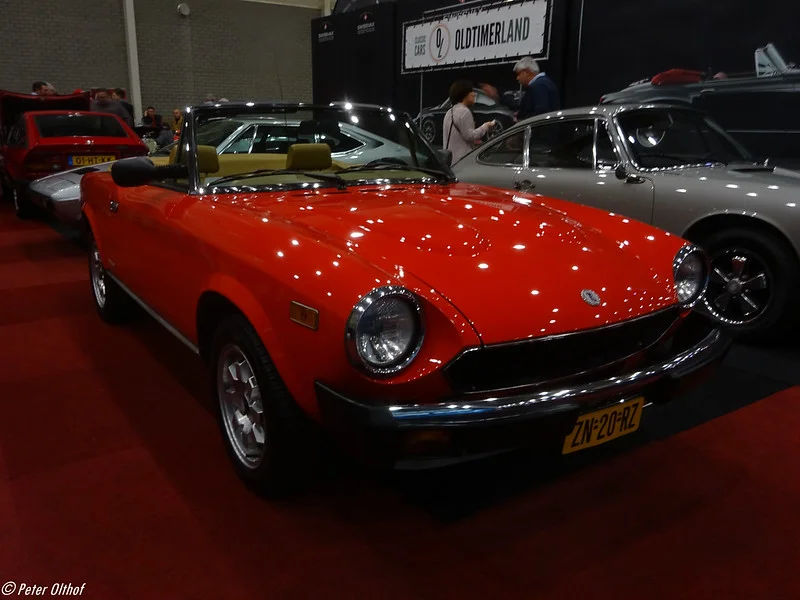
| Fiat 124 Spider | Average | Good | $1,000–$2,500 |
| MG MGB | Average | Very Good | $1,000–$2,000 |
Alfa Romeo Spiders offer more style and heritage but often need more patience and resources to keep running.
The Role Of Community And Support
One bright spot: the Alfa Romeo community is strong. Owners’ clubs, online forums, and specialty shops are good sources of advice, used parts, and repair tips. If you buy a Spider, joining a club can make a big difference.
For more detailed historical information and production numbers, the Alfa Romeo Spider Wikipedia page is a trusted resource.

Frequently Asked Questions
Which Alfa Romeo Spider Year Is Most Reliable?
Most owners and mechanics agree the 1992–1994 Series 4 Spiders are the most reliable. They have better build quality, improved wiring, and easier-to-find parts compared to earlier years.
Why Are 1975–1979 Spiders So Difficult To Maintain?
These years have complex emissions equipment and the Spica mechanical fuel injection system. Few mechanics can tune or repair these systems, and replacement parts are expensive or unavailable. This leads to more breakdowns and higher repair costs.
Can I Restore A “bad Year” Spider To Good Condition?
It’s possible, but expect to spend a lot. Restoring a 1977 or 1981 Spider often costs more than the car’s final value, especially if rust or electrical problems are involved. Only experts or passionate hobbyists should attempt a full restoration.
Are Parts Still Available For Older Alfa Romeo Spiders?
Basic parts are available through specialty suppliers and clubs. However, unique emissions and electrical components for the late 1970s and early 1980s Spiders can be rare and very expensive. Later Series 3 and 4 parts are easier to find.
Is An Alfa Romeo Spider A Good Classic Car For Beginners?
If you choose a reliable year and get a car with service history, a Spider can be a fun and rewarding project. Avoid the troublesome years (1975–1979, 1981–1982, 1991) if you’re new to classic cars. Start with a well-maintained 1986–1989 or 1992–1994 model for the best experience.
Buying an Alfa Romeo Spider is about passion as much as practicality. With the right information, you can choose a year that brings more smiles than stress. Take your time, do your research, and soon you could be enjoying one of Italy’s most charming convertibles on the open road.