
The Hyundai Tiburon, known for its sporty look and affordable price, made its mark on the coupe segment from 1996 to 2008. It attracted drivers who wanted a stylish, fun car without breaking the bank. Yet, like many vehicles, not every model year delivered the same level of reliability or satisfaction.
Some years brought frequent mechanical issues, expensive repairs, or disappointing performance. If you’re considering buying a used Hyundai Tiburon, knowing which years to avoid can save you money and frustration.
This guide takes a deep dive into the Tiburon’s history, revealing which years are risky, what common problems to watch for, and smarter alternatives for those who love the Tiburon’s spirit but want a better ownership experience. You’ll also find practical tips for inspecting used models, plus expert advice often missed by first-time buyers.
Overview Of The Hyundai Tiburon
The Hyundai Tiburon—also called the Hyundai Coupe in some regions—entered the market in 1996. Hyundai wanted to offer a sporty two-door coupe with sharp lines, front-wheel drive, and a lower price than rivals like the Toyota Celica or Honda Prelude. Over two generations, the Tiburon received updates in both design and performance.
- First Generation (1996–2001): Boxy styling, 1.8L and 2.0L four-cylinder engines, basic interior.
- Second Generation (2002–2008): Sleeker body, options for a 2.7L V6, improved handling, more features.
While Hyundai aimed to improve the Tiburon each year, not every model was a winner. Reliability, build quality, and long-term costs varied widely.
Hyundai Tiburon Years To Avoid
Not every Tiburon is a bad choice. Some model years stand out for all the wrong reasons. These are the years most buyers should avoid due to high repair rates, poor reliability, or widespread owner complaints.
2003 Hyundai Tiburon
The 2003 Tiburon marked the first year of the second generation, and unfortunately, it came with a long list of problems. Owners reported transmission failures, electrical glitches, and issues with the sunroof and paint.
Key issues in 2003:
- Manual transmission failure: Many 2003 Tiburons with manual gearboxes suffered from faulty clutch mechanisms, often requiring expensive repairs before 60,000 miles.
- Paint peeling: Hyundai’s paint quality in this year was subpar, leading to peeling and fading even on well-maintained cars.
- Electrical gremlins: Problems with power windows, dashboard lights, and door locks were common.
- Sunroof malfunctions: The sunroof often failed to open or close, sometimes getting stuck halfway.
For buyers, these issues add up to higher repair costs and frequent trips to the mechanic. While some problems were fixed under warranty, finding a well-maintained 2003 Tiburon today is difficult.
2004 Hyundai Tiburon
The 2004 model carried over many of the previous year’s problems. Some improvements were made, but transmission and electrical issues persisted.
Notable problems in 2004:
- Transmission woes: Both manual and automatic transmissions had higher-than-average failure rates.
- Airbag light: A common complaint was the airbag warning light staying on, often due to faulty sensors.
- Window regulators: The mechanism controlling the power windows often broke, leaving windows stuck or falling into the door.
Owners also continued to complain about paint durability and minor interior rattles.
2006 Hyundai Tiburon
By 2006, some problems from earlier years had been resolved, but new issues appeared—especially with the V6 engine model.
Common 2006 problems:
- Engine knocking and ticking: Some 2.7L V6 engines developed knocking noises, sometimes linked to poor oil circulation or worn components.
- Premature clutch wear: Manual models had clutches that wore out much faster than expected, sometimes before 40,000 miles.
- Dashboard cracking: The dashboard material was prone to cracking under sunlight, hurting resale value.
While the 2006 Tiburon looked great on paper, these mechanical and cosmetic issues made it a risky pick.
2008 Hyundai Tiburon
The last year for the Tiburon, 2008, is often best avoided. Hyundai was preparing to replace the Tiburon with the Genesis Coupe, and the final models suffered from quality control issues.
Major 2008 concerns:
- Build quality slips: Owners noticed more squeaks, rattles, and loose trim compared to earlier models.
- Electrical faults: Problems with the car’s lighting, gauges, and alarm systems were reported.
- Parts availability: As the Tiburon was being discontinued, sourcing certain replacement parts became harder and more expensive.
If you want a late-model Tiburon, 2007 is often a safer choice.
Quick Reference Table: Tiburon Years To Avoid
Here’s a side-by-side look at the years and their most common issues.
| Model Year | Main Issues |
|---|---|
| 2003 | Transmission failure, paint peeling, electrical, sunroof |
| 2004 | Transmission, airbag light, window regulators |
| 2006 | Engine knocking, clutch wear, dashboard cracking |
| 2008 | Build quality, electrical, parts availability |
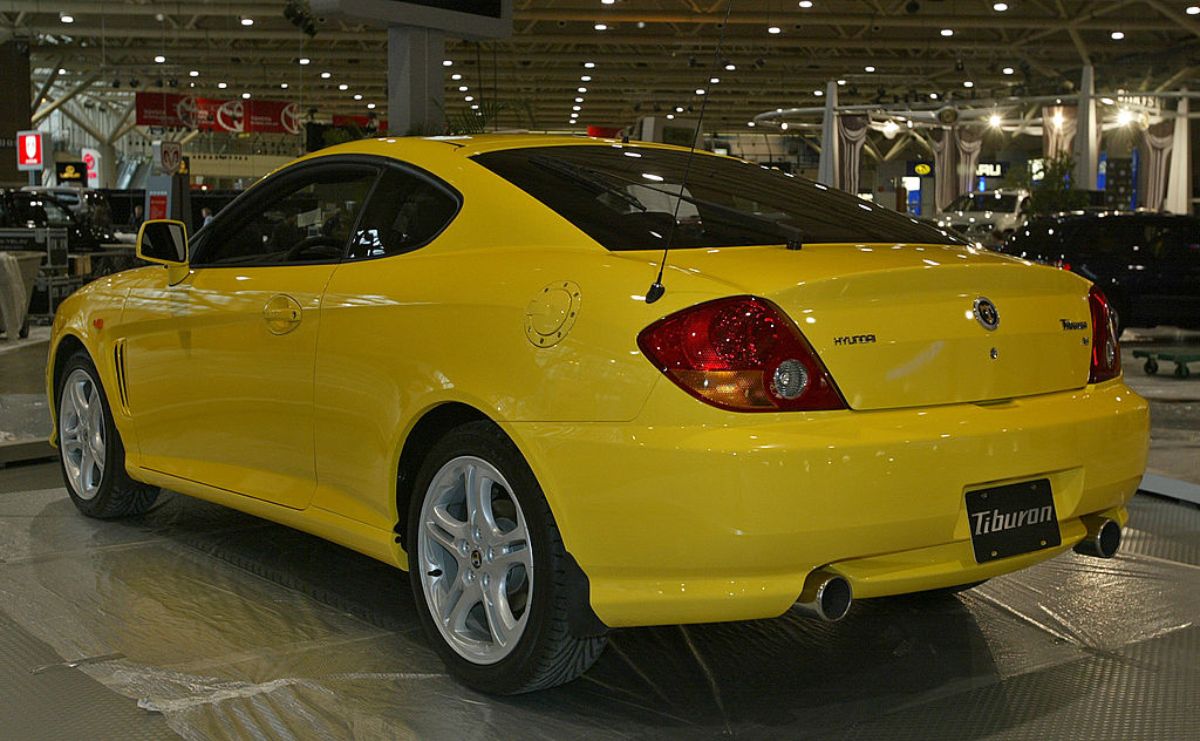
Why Certain Tiburon Years Should Be Avoided
Understanding why these years are problematic helps you make a smarter choice. It’s not just a matter of “bad luck”—there are specific reasons these models struggle.
Design Flaws And First-year Problems
Car companies often face problems when launching a new design. For the Tiburon, the first year of the second generation (2003) was especially rough. New transmissions, updated electronics, and fresh body parts meant more room for error. Hyundai improved quality in later years, but early adopters paid the price.
Inconsistent Parts Quality
During some years, Hyundai sourced cheaper parts to keep costs down. This led to issues like weak window regulators and fragile dashboards. These small parts can be surprisingly expensive to replace, especially on older cars.
Rushed Final-year Production
In 2008, with the Tiburon’s future uncertain, quality control slipped. Workers focused less on perfection, and owners found more small problems than before. This is a common problem for models in their final production year—not just the Tiburon.
Missed Maintenance And Aging Components
On top of design issues, many Tiburons from trouble years have suffered from poor maintenance. Since the car was affordable, some owners skipped important services, making problems worse for the next buyer.
Common Problems In Hyundai Tiburon Models
Some issues appear across multiple Tiburon years, but are worse in the models mentioned above. Understanding these problems helps you spot red flags when inspecting a used car.
Transmission Trouble
Transmission issues—especially with the manual gearbox—are the Tiburon’s biggest weakness. Clutches wear out early, gears become hard to shift, and in some cases, the transmission fails entirely. Repairs can cost $1,200–$2,000 or more.
Tip: When test-driving, pay close attention to shifting. Any grinding, slipping, or hesitation is a warning sign.
Electrical And Sensor Faults
Electrical gremlins can affect almost every system: windows, dashboard lights, alarm, even the sunroof. Faulty sensors may trigger warning lights for airbags or the check engine system.
Tip: Check every electric function before buying. Simple things like a stuck window can signal bigger issues.
Paint And Body Problems
Many Tiburons—especially 2003 and 2004—suffer from paint peeling and fading. Some owners also report rust around the wheel arches and underbody.
Tip: Look for signs of paint repair or mismatched panels. Rust in hidden areas can be expensive to fix.
Engine Noises And Wear
The 2. 7L V6 engine in later models has a reputation for knocking, ticking, or burning oil. These signs point to internal wear, which can lead to major repairs.
Tip: Listen for unusual engine sounds, and check the oil for metal flakes.
Interior Quality Decline
Rattles, squeaks, and broken trim are common in older Tiburons. While not always serious, they can make the car feel cheap and reduce enjoyment.
Tip: Test drive on rough roads and pay attention to cabin noises.
Tiburon Model Years With Fewer Problems
To balance things out, it’s worth noting that not every Tiburon year is a headache. Some years stand out for better build quality and reliability, making them a smarter buy.
2005 Hyundai Tiburon
By 2005, Hyundai had fixed many of the early second-generation issues. The manual transmission was improved, and electrical faults became less common. This year is often praised by owners for a good blend of performance and reliability.
2007 Hyundai Tiburon
The 2007 model received a mild facelift, with updated headlights, taillights, and interior trim. Problems from previous years were mostly resolved, making this a solid choice for used buyers.
First Generation (1999–2001)
Later first-generation Tiburons, especially from 1999–2001, are known for their simple mechanicals and fewer electrical problems. While they lack the style of newer models, they’re often easier and cheaper to maintain.
Comparison: Best Vs. Worst Tiburon Years
To help you see the differences, here’s a quick comparison of the best and worst years:
| Year | Reliability | Common Problems | Estimated Repair Cost (5 yrs) |
|---|---|---|---|
| 2003 | Poor | Transmission, paint, electrical | $4,500 |
| 2005 | Good | Minor electrical, standard wear | $2,200 |
| 2007 | Very Good | Few complaints | $1,900 |
What To Look For When Buying A Used Tiburon
If you decide to look past the risky years, buying a used Tiburon can still be rewarding. Here’s how to stack the odds in your favor.
- Check Service Records: Always ask for maintenance history. A well-documented car is less likely to have hidden problems.
- Inspect the Transmission: Make sure shifting is smooth. Watch for clutch slipping or hard gear changes.
- Test Electrical Features: Try every button—windows, sunroof, lights, and dashboard functions.
- Look for Paint and Rust: Walk around the car in good light. Check for bubbles, mismatched panels, or faded paint.
- Listen to the Engine: Start the car cold. Listen for knocking, ticking, or rough idle.
- Check for Warning Lights: Dashboard warning lights that stay on can signal expensive fixes.
- Get a Pre-Purchase Inspection: A trusted mechanic can spot problems you might miss.
Two Insights Most Buyers Miss
- Parts Availability: As the Tiburon ages, certain parts (especially body and trim pieces) become hard to find. This can make even a small accident or repair a big headache.
- Insurance Cost: While the Tiburon isn’t a true sports car, insurance can be higher than expected for younger drivers due to its coupe shape.
Alternatives To The Tiburon’s Worst Years
If you’re set on a sporty used coupe but want to avoid Tiburon problem years, several options offer similar style with better reliability.
- Honda Civic Coupe (2006–2011): Reliable, cheap to maintain, and more fuel-efficient.
- Toyota Celica (2000–2005): Sporty, fun to drive, and known for durability.
- Mazda MX-5 Miata (1999–2005): Rear-wheel drive, excellent handling, and strong owner community.
- Scion tC (2005–2010): Affordable, practical, and fewer major complaints than Tiburon.
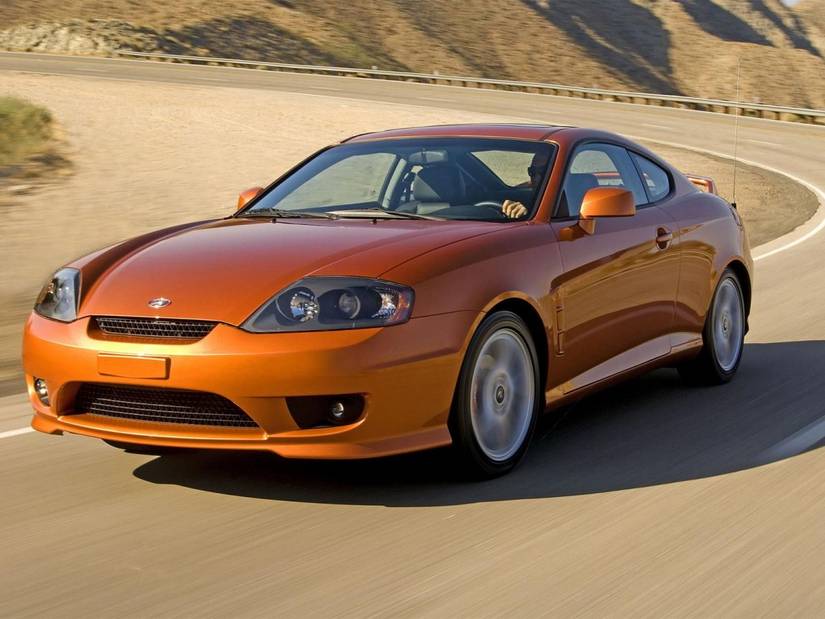
Each of these models has its own quirks, but generally, they offer a more worry-free ownership experience.
Real-world Owner Experiences
Hearing from real Tiburon owners is helpful when making a decision. Many who bought 2003 or 2004 models report spending thousands on transmission or electrical repairs. Some say they enjoyed the car’s style and handling, but unexpected costs made ownership stressful.
On the other hand, owners of 2007 Tiburons often mention years of trouble-free driving, with only normal wear items like brakes and tires needing replacement.
One non-obvious insight: Some enthusiasts seek out problematic years as project cars. If you enjoy working on cars, you might get a 2003 Tiburon for a bargain and fix it up. For most buyers, though, the extra headaches aren’t worth it.
Hyundai Tiburon Maintenance Costs
Cost of ownership is a big factor with any used car. Tiburons from the years to avoid can rack up high bills, especially if you get unlucky with the transmission or engine.
Here’s a look at average maintenance and repair costs for key Tiburon years (based on data from repair shops and owner surveys):
| Year | Average Annual Repair Cost | Major Repairs Needed? |
|---|---|---|
| 2003 | $900 | Likely (transmission, electrical) |
| 2004 | $850 | Possible (window, sensors) |
| 2005 | $500 | Rare |
| 2007 | $450 | Rare |
| 2008 | $750 | Possible (electrical, trim) |
As you can see, picking the right year can cut your costs in half.
Frequently Asked Questions
Is The Hyundai Tiburon A Reliable Car Overall?
The Tiburon can be reliable if you choose the right year and find one with good maintenance history. Avoiding the most problematic years—especially 2003, 2004, 2006, and 2008—greatly improves your odds. Later models like 2005 and 2007 are much more dependable.
What Are The Biggest Problems With The Hyundai Tiburon?
The most common issues include manual transmission failure, electrical system glitches, and paint peeling. Some V6 models also suffer from engine knocking or premature clutch wear. Before buying, always check for these problems.
Are Tiburon Parts Hard To Find Now?
Some parts, especially for the second generation and for 2008 models, are becoming rare. Items like dashboards, unique trim pieces, and sunroofs can be difficult or expensive to replace. Mechanical parts are still available from major suppliers or online.
How Does The Tiburon Compare To Other Coupes?
Compared to rivals like the Honda Civic Coupe or Toyota Celica, the Tiburon offers more style for less money but lags behind in reliability and resale value. Insurance and repair costs may be higher, especially for problem years. For more data, see this Consumer Reports overview.
Is It Worth Buying A Tiburon As A Project Or Weekend Car?
If you enjoy working on cars and can handle repairs yourself, a cheap Tiburon from a risky year might be a fun project. Parts are affordable when you find them, and the car is easy to modify. But for daily use, a more reliable year or another model is recommended.
The Hyundai Tiburon remains a unique option in the used coupe market. Avoiding the worst years—and knowing what to look for—will help you enjoy the sporty style without the usual headaches. With smart research and careful inspection, you can find a Tiburon that delivers more smiles than surprises.