
Buying a used car is always a big decision. When you are considering a Chevy Captiva, it’s even more important to know which years are best—and which ones can bring headaches. The Captiva looks good, offers a comfortable ride, and comes with features that attract many buyers. But not every model year is the same. Some years are known for problems that can cost you money and time, while others are considered more reliable. If you want to avoid surprises and make the smart choice, you need clear, honest advice. This guide takes a deep look at the Chevy Captiva’s history, points out years you should avoid, and explains why. You will also see how the Captiva compares with similar SUVs, what to check before buying, and answers to common questions that buyers like you often have.
Chevy Captiva: Quick Overview
The Chevy Captiva was first introduced for the 2006 model year in many markets, but it arrived in the United States as the Captiva Sport in 2012. It’s a compact crossover SUV with five seats, sharing its platform with the Saturn Vue and Opel Antara. The Captiva was mainly sold to fleet buyers in the US (like car rental companies) and was discontinued after 2015. However, in other markets, it continued for a few more years, sometimes with updates.
Key highlights:
- Engine options: 2.4L inline-four and 3.0L V6 (US market)
- Transmission: 6-speed automatic
- Seating: 5-passenger
- Drive options: Front-wheel drive (FWD) and all-wheel drive (AWD)
The Captiva was designed to be practical and affordable, but some years stand out for the wrong reasons.
Chevy Captiva Years To Avoid
Not every Captiva is risky, but some model years have a clear pattern of issues. If you want to avoid frequent repairs and big bills, it’s smart to skip these years:
2012 Chevy Captiva
The 2012 Captiva was the first model year in the US, and it showed several problems that would trouble owners:
- Engine stalling: Many drivers reported sudden engine shutdowns while driving, sometimes at highway speeds.
- Transmission failures: Rough shifting, slipping gears, and total transmission failure often appeared before 70,000 miles.
- Electrical issues: Problems with the battery, alternator, and dashboard lights were common.
- Excessive oil consumption: Some 2.4L engines burned more oil than expected, leading to low oil levels and engine damage if not checked.
These problems were not just minor annoyances—they could lead to expensive repairs. As a result, the 2012 Captiva ranks among the least reliable Chevy SUVs from that era.
2013 Chevy Captiva
The 2013 model was supposed to fix earlier issues, but it brought its own set of troubles:
- Transmission problems: Like the 2012, many 2013 Captivas suffered from rough or failed transmissions, sometimes requiring total replacement.
- Frequent check engine light: Sensors and emission controls often failed, leading to repeated warning lights and trips to the mechanic.
- Air conditioning failure: The A/C system sometimes stopped working, especially in hot climates, making summer driving uncomfortable.
While not every 2013 model had these issues, the rate of complaints was high compared to similar SUVs.
2014 Chevy Captiva
By 2014, Chevy made some improvements, but several headaches remained:
- Steering problems: Some owners reported loss of power steering, especially at low speeds or when parking.
- Brake wear: Premature brake pad and rotor wear led to more frequent replacements.
- Software glitches: Infotainment and electronic controls sometimes froze or rebooted, causing frustration.
Although the 2014 Captiva is better than the 2012 or 2013, it’s still riskier than other years.
Other Years: Global Models
Outside the US, the Captiva continued with new designs and engines. However, models built between 2015 and 2017 in some countries also had issues with:
- Timing chain failures: Mainly in the diesel and turbocharged gasoline engines.
- Suspension problems: Noisy or failing suspension parts, especially in rough road conditions.
If you’re buying a non-US Captiva from these years, check its history closely.
Why These Years Had More Problems
The worst Captiva years share some causes:
- Rushed production: The 2012 Captiva Sport was quickly adapted from the Saturn Vue after Saturn’s closure, leading to less testing and more bugs.
- Shared parts with problematic models: The Captiva shares many mechanical parts with the Saturn Vue, which was also known for transmission and electrical troubles.
- Cost-cutting: Chevy kept costs down for fleet sales, but this meant lower-quality materials and fewer updates to fix known problems.
A key insight that many buyers miss: Even low-mileage Captivas from these years can hide big issues. Some problems, like transmission failure, are linked to design flaws, not just wear and tear.
Years That Are Safer Choices
While some years are best avoided, other Captivas are less risky if you must have this model. The following years have fewer complaints and better reliability:
- 2015 Captiva Sport (US): The last US model, often updated with fixes for earlier issues. Still not perfect, but fewer transmission and engine complaints.
- 2009–2011 (Global models): In markets outside the US, the late first-generation Captiva was more reliable, with fewer major mechanical problems.
However, even these “better” years do not match the best compact SUVs for reliability.
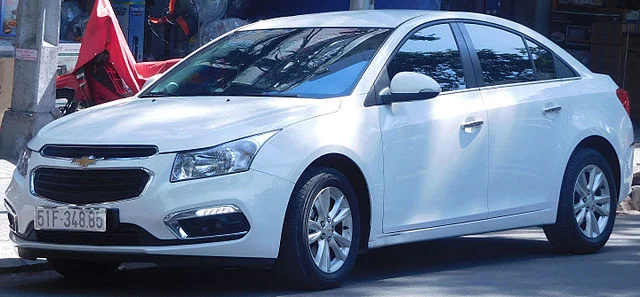
Most Common Chevy Captiva Problems
Whether you avoid the risky years or not, it helps to know what issues the Captiva is known for. Here are some of the most frequent and costly problems:
Engine And Transmission
- Transmission failure: Sudden loss of drive, slipping gears, or rough shifting. Repairs can cost $2,500–$4,000.
- Excessive oil use: Engines using more oil than normal, sometimes needing top-ups every 1,000 miles.
- Timing chain problems: Especially in later global models, leading to engine noise or complete failure.
Electrical And Electronics
- Dashboard warning lights: Check engine, traction control, and airbag lights coming on due to sensor failures.
- Battery drain: Electrical systems drawing power even when the car is off, leading to dead batteries.
Comfort And Safety
- Air conditioning not cooling: Often due to leaks in the A/C system or failed compressors.
- Power steering loss: Sometimes caused by failing pumps or electrical faults.
Brakes And Suspension
- Premature brake wear: Pads and rotors wearing out faster than expected, increasing maintenance costs.
- Suspension noise: Clunks or rattles from worn bushings or mounts.
Some of these issues are more likely in the years to avoid, but even better years can show them if the car was not cared for.
Chevy Captiva Vs. Similar Suvs
If you’re considering a used Captiva, it’s smart to compare it with other compact SUVs from the same era. Here’s how the Captiva stacks up against popular rivals.
| Model | Reliability (J.D. Power 1–100) | Major Problems | Average Used Price (2024) |
|---|---|---|---|
| Chevy Captiva Sport (2012–2015) | 66 | Transmission, electronics | $7,000–$11,000 |
| Honda CR-V (2012–2015) | 83 | Engine noise, A/C | $10,000–$16,000 |
| Toyota RAV4 (2012–2015) | 87 | Minor electronics | $11,000–$18,000 |
| Ford Escape (2012–2015) | 70 | Transmission, engine | $8,000–$14,000 |
Insight: While the Captiva may cost less, its reliability is clearly behind the Honda CR-V and Toyota RAV4. These Japanese models usually cost more but save money and stress in the long run.
What To Look For When Buying A Used Captiva
If you decide to buy a used Captiva despite the risks, a careful inspection is even more important. Here are key steps and tips that many first-time buyers miss:
- Get a full service history: Make sure the car had regular oil changes and all recalls or major repairs were done. Missing records can hide expensive problems.
- Inspect the transmission: During a test drive, pay attention to gear changes. Any hesitation, jerking, or warning lights should be a red flag.
- Check for oil leaks: Look under the car and around the engine for signs of leaks, which can mean bigger issues.
- Test all electrical features: Try the windows, locks, radio, A/C, and lights. Electrical faults are common and sometimes hard to fix.
- Listen for suspension noises: Go over bumps and listen for clunks or rattles, which may point to worn parts.
- Look for recalls: Use the VIN to check for open recalls at the NHTSA website.
Practical Example
Suppose you find a 2013 Captiva Sport with 65,000 miles at a low price. It looks clean, but during the test drive, the transmission hesitates when shifting into third gear, and the check engine light is on. Even if the seller says it’s minor, this is a warning sign.
Transmission repair alone could cost more than the car’s value. In this case, walking away is the smart choice.
How The Chevy Captiva Holds Its Value
One reason people consider the Captiva is price. Used Captivas are usually cheaper than their rivals. However, this “bargain” can be misleading.
| Model Year | Original MSRP | Average Used Price (2024) | Depreciation (%) |
|---|---|---|---|
| 2012 | $24,000 | $7,000 | 71% |
| 2013 | $24,500 | $7,500 | 69% |
| 2014 | $25,000 | $8,000 | 68% |
| 2015 | $25,500 | $9,000 | 65% |
Fact: The Captiva loses value faster than most compact SUVs, mainly because of its reputation for mechanical problems. If you buy one, expect lower resale value later.
Maintenance Costs And Ownership Experience
Captivas may look like a good deal at first, but ongoing costs can be higher than expected. Here’s what you should know:
- Routine maintenance: Oil changes, brakes, and filters are typical, but some parts (like brakes and suspension) need replacing more often.
- Major repairs: Transmission or engine fixes are common in the risky years, costing $2,000 or more.
- Insurance: Rates are average for compact SUVs, but some insurers raise premiums if the model has a high claim rate.
A survey of owners shows mixed feelings. Some like the comfort and cargo space, but many regret the high repair bills. One owner wrote, “It was a great car until the transmission failed at 75,000 miles—never again. ” Another said, “If you keep up with maintenance, it’s okay, but not as good as my old Honda.
Real-world Reliability Data
Let’s look at real data from owner surveys and repair records:
- According to CarComplaints.com, the 2012 Captiva Sport has over 200 reported problems, mainly transmission and engine failures.
- J.D. Power rates the Captiva’s reliability as below average.
- Consumer Reports does not recommend any Captiva year as a “Best Used SUV” due to high repair costs and problem frequency.
This is why experts and mechanics often steer buyers toward other models.
Common Buyer Mistakes
Many people make the same errors when buying a used Captiva. Here’s how to avoid them:
- Ignoring the service records: Thinking a clean interior means a good car. Always check how it was maintained.
- Not getting a pre-purchase inspection: Skipping this to save money is risky. A mechanic can spot hidden issues.
- Underestimating repair costs: Cheap sale prices can hide future bills that wipe out any savings.
- Trusting “fleet maintained” claims: Rental cars often get only basic care, not the careful maintenance you want.
A non-obvious insight: Even Captivas with low miles can have big problems if they were used for short, stop-and-go trips (like rentals). This usage is harder on the engine and transmission than highway driving.
Should You Buy A Chevy Captiva?
If your budget is tight, and you find a Captiva with full service records, no warning lights, and a clean inspection, it can be a good value. However, most buyers are better off spending a little more for a Honda CR-V, Toyota RAV4, or similar SUV. These models offer better long-term reliability, lower repair costs, and higher resale value.
If you still want a Captiva, avoid the 2012–2014 US models and 2015–2017 global models with timing chain issues. The 2015 Captiva Sport is the safest choice among the US years, but even then, proceed with caution.
For more in-depth reliability ratings, check out J.D. Power’s data on used SUVs at J.D. Power.
Frequently Asked Questions
Which Chevy Captiva Year Is The Most Reliable?
The 2015 Captiva Sport is considered the most reliable US model. It had fewer complaints about major mechanical issues and some factory fixes for earlier problems. However, compared to rivals, it’s still only average.
How Many Miles Can A Chevy Captiva Last?
With regular maintenance, some Captivas can reach 150,000 to 180,000 miles. However, models from the years to avoid may need major repairs well before that, especially the transmission.
Is The Chevy Captiva Expensive To Maintain?
Yes, especially in the years to avoid. Transmission and engine repairs are costly, and frequent brake or suspension work adds up. Routine maintenance is average, but major problems drive up total costs.
Are Chevy Captiva Parts Easy To Find?
Parts for the US Captiva Sport are generally available, since it shares components with the Saturn Vue and some other GM vehicles. However, certain electronic or body parts may be harder to source, especially for non-US models.
Should I Buy A Used Chevy Captiva?
Only if you find a well-maintained example from a safer year, get a pre-purchase inspection, and are prepared for possible repairs. For most buyers, a Honda CR-V or Toyota RAV4 is a safer, more reliable choice.
Making a smart car purchase means knowing the facts, checking for common issues, and understanding the real costs. With the right information, you can avoid the Chevy Captiva years that bring more trouble than value.