
The Volkswagen New Beetle is one of the most recognizable compact cars ever made. Its rounded shape and playful look remind many people of the classic Beetle from the 1960s and 1970s. But under its unique style, the New Beetle is a very different car, built with modern parts and features.
While some years of the New Beetle are reliable and fun, others have serious problems that can cost you a lot of money and frustration. If you’re thinking about buying a used New Beetle, knowing which years to avoid is key to making a smart decision.
In this guide, you’ll get clear advice on the New Beetle years to avoid, the main problems for each, and what makes some years better than others. You’ll also see how the New Beetle compares to other similar cars, and get practical tips for shopping and ownership. By the end, you’ll feel much more confident about choosing the right New Beetle—or knowing when to walk away.
Understanding The Vw New Beetle
The Volkswagen New Beetle launched in the US in 1998. It was built on the same platform as the VW Golf, but with a retro design. The New Beetle was made until 2010, after which it was replaced by the more modern Beetle (2012–2019). Throughout its run, the New Beetle offered various engines—mainly four-cylinder gasoline and diesel options, with some turbo and convertible models.
People love the New Beetle for its fun look, comfortable ride, and good fuel economy. However, it also has a reputation for electrical issues, plastic interior parts that break easily, and expensive repairs.
Key Features By Generation
| Generation | Years | Main Features |
|---|---|---|
| First Generation | 1998–2010 | Retro design, based on VW Golf Mk4, hatchback and convertible, 2.0L, 1.8T, 1.9 TDI engines |
| Second Generation (The “Beetle”) | 2012–2019 | Wider stance, more modern features, better handling, turbo and diesel options |
This article focuses on the 1998–2010 New Beetle, as these are the years with the most well-known issues.
Vw New Beetle Years To Avoid
Some New Beetle years stand out for frequent and expensive problems. These models often show up in mechanic shops and online owner complaints. Here are the top years to avoid—and why:
1. 1999 New Beetle
The second year of the New Beetle brought excitement but also headaches. Owners reported:
- Electrical problems: The dashboard lights, power windows, and central locking often failed. These issues are not just annoying—they can be expensive to fix.
- Engine issues: The 2.0L engine was known for oil leaks, faulty sensors, and rough idling.
- Door latch failures: Many owners found themselves stuck outside their cars due to faulty door latches.
If you see a cheap 1999 Beetle, remember repairs may easily cost more than the car’s value.
2. 2000 New Beetle
This year had many of the same issues as 1999, but with extra trouble:
- Mass airflow sensor failures: This part often went bad, causing the engine to run poorly or the car to stall.
- Coolant leaks: The plastic coolant parts in the engine bay often cracked, leading to overheating.
- Window regulator problems: Windows would get stuck or fall inside the door—a common and expensive repair.
3. 2001 New Beetle
Problems continued in 2001:
- Coil pack failures: The ignition coil pack on the 1.8T engine was a frequent failure, leading to poor running and “check engine” lights.
- Transmission issues: Some automatic transmissions failed early, especially after 60,000 miles.
- Interior plastics: Owners complained about the dashboard, glove box, and cup holders breaking easily.
4. 2003 New Beetle
By 2003, Volkswagen had fixed some earlier issues but new ones appeared:
- Electrical gremlins: Headlights, taillights, and turn signals often stopped working.
- Convertible top problems: The new convertible model had roof leaks and mechanical failures.
- Airbag warning lights: The airbag system was sensitive, causing warning lights to stay on even without a real problem.
5. 2004 New Beetle
The 2004 model year stands out for:
- Automatic transmission failures: Many owners reported sudden loss of power, hard shifting, or the transmission not going into gear.
- Power window failures: Window regulators and switches continued to break.
- Expensive repairs: The cost to fix the transmission and electrical systems often exceeded $2,000.
6. 2006 New Beetle
Later years still had concerns, especially:
- PCV valve failures: This part helps control engine pressure, and when it fails, oil leaks and engine roughness follow.
- Timing belt issues: Failing to change the timing belt on time led to engine damage.
- Check engine lights: Emissions sensors were sensitive and often failed, leading to repeated “check engine” warnings.
7. 2007–2010 New Beetle
These years are less problematic but not perfect:
- Minor electrical issues: Door locks, window switches, and airbag lights can still be a problem.
- Interior wear: The inside plastics and seat materials show age quickly.
- Convertible top motors: For convertible models, the top mechanism can fail, costing over $1,000 to repair.
Summary Table: Worst New Beetle Years
To help you see the main issues, here’s a quick look at the years to avoid and their common problems.
| Model Year | Major Problems |
|---|---|
| 1999 | Electrical, engine, door latch |
| 2000 | MAF sensor, coolant leaks, window regulator |
| 2001 | Coil pack, transmission, interior plastics |
| 2003 | Electrical, convertible top, airbag system |
| 2004 | Transmission, power windows, high repair costs |
| 2006 | PCV valve, timing belt, sensors |
| 2007–2010 | Minor electrical, interior wear, convertible top motor |
Why These Years Have Problems
You may wonder why so many early New Beetles have issues. The truth is, Volkswagen rushed the New Beetle to market to catch the retro car trend. The engineering underneath was solid, but the electrical system and plastic parts were not as reliable as they should be.
Another reason is the complexity of features. The New Beetle had advanced (for its time) electronics, like power windows, remote locks, and a unique dashboard. But these systems were more complicated than most small cars, and repairs often require a specialist.
A non-obvious insight: the New Beetle’s parts may look cheap, but labor costs are high because many pieces are hard to reach. For example, replacing a headlight bulb can take an hour, while other cars need just five minutes.
Best Years For The Vw New Beetle
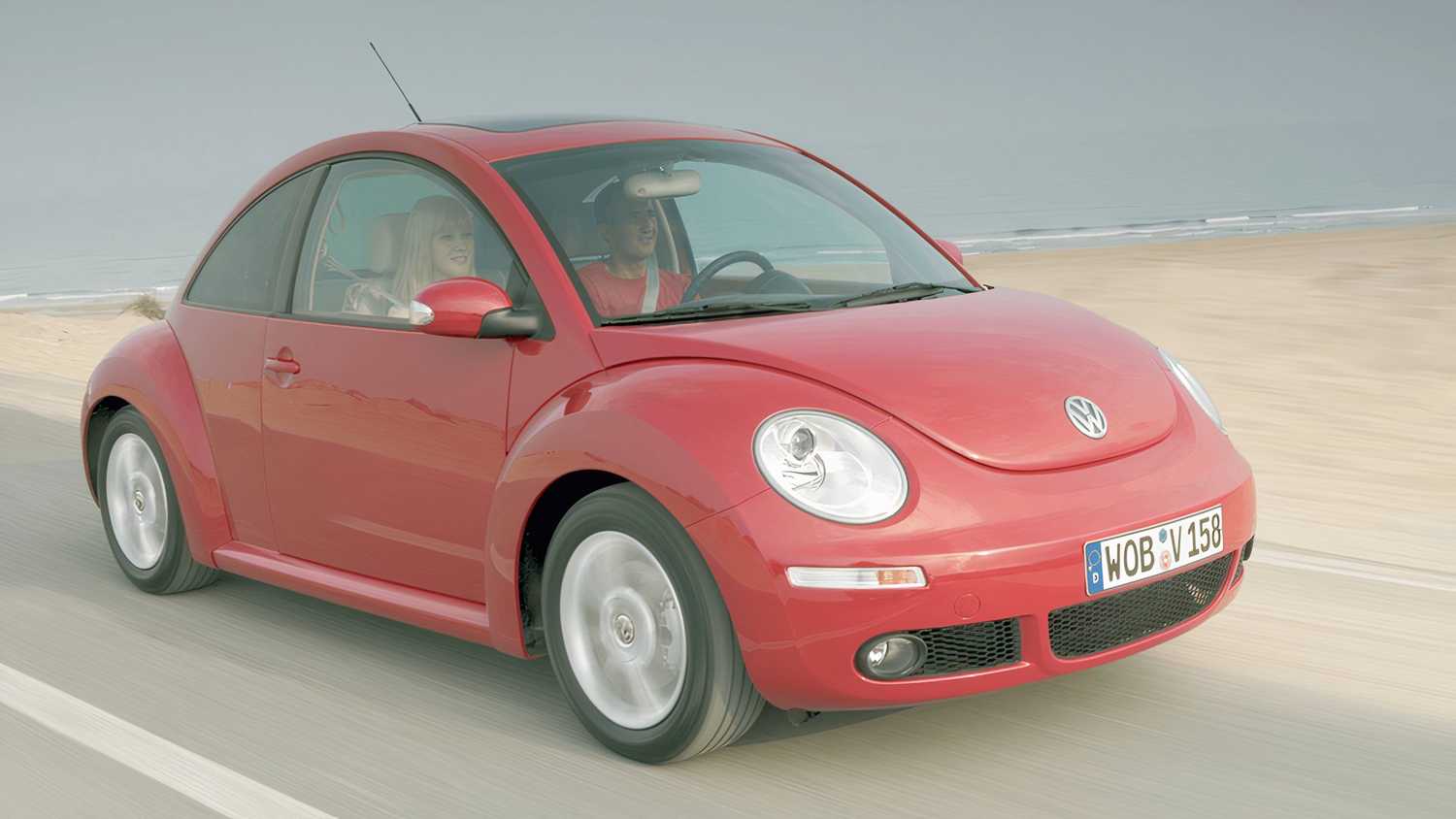
Not every New Beetle is a headache. If you really want one, some years stand out for being more reliable and less expensive to own:
- 2002 New Beetle: By this year, Volkswagen fixed many early electrical and engine issues. The 1.9 TDI diesel is especially reliable.
- 2005 New Beetle: This year benefited from small improvements to the interior and electrical system.
- 2008–2010 New Beetle: The last years of the model had the fewest complaints. By then, VW had ironed out most problems.
Choosing one of these years (especially with a manual transmission) gives you a much better chance at a happy ownership.
Common Vw New Beetle Problems
No matter the year, some issues are common to almost all New Beetles. Knowing these can help you check a car carefully before buying—or budget for repairs if you already own one.
1. Electrical System Failures: The electrical system is the top trouble spot. Problems include:
- Dashboard lights flickering or not working
- Power window switches failing
- Central locking not responding
- Airbag and ABS warning lights
These issues often need a specialized mechanic and genuine VW parts, which can be costly.
2. Window Regulator Breakage: The window regulator is the part that moves the window up and down. In many New Beetles, especially 1999–2004, this part fails early. Replacing it can cost $300–$600 per window.
3. Engine Oil Leaks: Both the 2. 0L and 1. 8T engines are known for oil leaks, often from the valve cover gasket or the oil cooler. These leaks can lead to engine damage if ignored.
4. Transmission Problems: Automatic transmissions in the New Beetle are not very durable, especially in the 2000–2004 models. Repairs can cost $2,000 or more. Manual transmissions are much more reliable.
5. Interior Wear And Tear: The interior plastics and seat fabrics are soft and break easily. Glove boxes and cup holders often fall apart, and dashboard pieces may crack in hot weather.
6. Convertible Top Issues: If you want a convertible New Beetle, check the roof carefully. The top’s motor and latches are known to fail, and water leaks are common.
How The New Beetle Compares To Similar Cars
If you like the New Beetle, you might also look at similar compact cars from the same era. Here’s a quick comparison:
| Car Model | Reliability | Repair Costs | Owner Satisfaction |
|---|---|---|---|
| VW New Beetle (1998–2010) | Below average | High | Good (if no major issues) |
| Honda Civic (2000–2010) | Excellent | Low | High |
| Toyota Corolla (2000–2010) | Excellent | Low | High |
| Mini Cooper (2002–2006) | Average to below average | High | Mixed |
The New Beetle stands out for its style, but it can’t match the reliability or low running costs of the Honda Civic or Toyota Corolla. If your main goal is a trouble-free car, consider those models instead.
Practical Tips For Buying A Used New Beetle
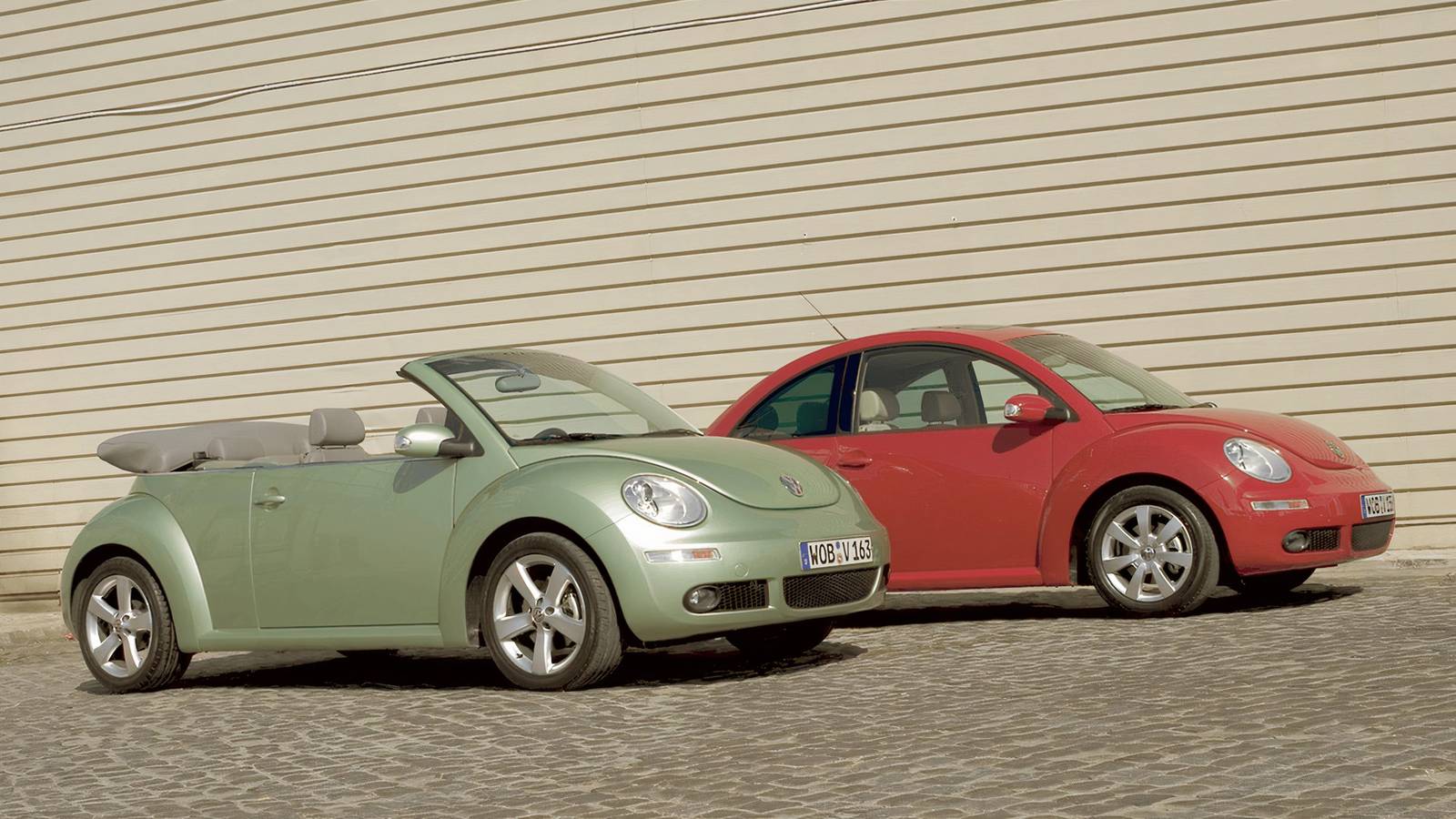
If you’re still set on a New Beetle, here’s how to boost your chances of getting a good one:
- Avoid the years above: Stick to 2002, 2005, or 2008–2010 models, and favor manual transmissions.
- Check service history: Look for proof of regular oil changes, timing belt replacements (for 1.8T and TDI engines), and window repairs.
- Inspect the electrical system: Test every switch, window, and warning light. If anything doesn’t work, repairs can get expensive fast.
- Look for leaks: Check under the car for oil or coolant leaks, and inspect the engine for wet spots.
- Test the transmission: Automatic shifting should be smooth with no clunks. Any hard shifts or delays are a red flag.
- Examine the convertible top: For drop-top models, check for leaks, smooth operation, and working latches.
- Budget for repairs: Even a “good” New Beetle will need more repairs than a Honda or Toyota of the same age.
Ownership Insights Most People Miss
Many buyers focus only on low price, but parts availability can be a surprise. Some New Beetle parts, like headlight assemblies or trim pieces, are hard to find or expensive. Also, many regular mechanics are not familiar with the unique layout of the New Beetle, especially for things like the dashboard or convertible top. This means you may need to visit a VW specialist, which costs more per hour.
Another common mistake is ignoring the timing belt. On turbo and diesel models, this belt must be changed every 60,000–80,000 miles. If it breaks, the engine can be ruined. Always ask when the timing belt was last replaced, and get proof.
Real-world Ownership Costs
It’s easy to be drawn in by a cheap used New Beetle, but the total cost of ownership can be much higher than expected. Here’s a look at average repair costs for common problems:
- Window regulator replacement: $400 (per window)
- Automatic transmission repair: $2,000–$3,000
- Timing belt replacement: $800–$1,200
- Engine oil leak repair: $500–$1,000
- Convertible top motor replacement: $1,200
When you add insurance, fuel, and regular maintenance, a New Beetle often costs more to keep on the road than other small cars.
Should You Buy A Vw New Beetle?
If you love the look and feel of the New Beetle, and you’re ready for the extra work and cost, it can be a fun car. But for most people, the best advice is to avoid the trouble years and buy only the best-maintained example you can find. If you need a reliable, low-cost daily driver, a Honda or Toyota is usually a safer bet.
If you’re set on a New Beetle, consider joining an owner’s club or forum. These communities can help you find parts and trusted mechanics, and offer support when things go wrong. For more detailed reliability data, check trusted sources like Consumer Reports.
Frequently Asked Questions
What Year Vw New Beetle Is Most Reliable?
The 2002 New Beetle is often considered the most reliable, especially with the 1.9 TDI diesel engine and manual transmission. The 2008–2010 models are also better, as VW fixed many past problems.
Are Vw New Beetles Expensive To Fix?
Yes, New Beetle repairs are usually more expensive than other small cars. Parts can be hard to find, and many repairs take more labor hours due to the car’s design.
Is The New Beetle Safe?
The New Beetle has average safety ratings for its time, with front and side airbags and good crash test results. However, newer cars have better safety features.
Do New Beetles Rust Easily?
The New Beetle’s body is well protected from rust, but older cars may have rust in the wheel wells, under the doors, or around the trunk if not cared for properly.
How Long Will A Vw New Beetle Last?
With good maintenance, a New Beetle can last 150,000–200,000 miles. But neglected cars, or those with lots of electrical or transmission issues, may fail much earlier.
The New Beetle is a unique car with strong personality. If you choose the right year, do your homework, and budget for repairs, you can enjoy its charm for years. But if you want the most reliable, hassle-free drive, it’s wise to look at other options.