
Buying a used car can save money, but it also comes with risks. If you are considering the Mitsubishi Mirage, you probably want a reliable, fuel-efficient car that won’t surprise you with expensive repairs. However, not all Mirage model years are equal. Some years have more problems than others, and knowing which Mitsubishi Mirage years to avoid can help you make a smarter choice. This guide explains which years are risky, why some models are better than others, and how to spot trouble before you buy.
The Mitsubishi Mirage: Popular For Budget Buyers
The Mitsubishi Mirage has been a favorite for people who need a low-cost, dependable vehicle. Its main strengths are excellent fuel economy, low purchase price, and simple maintenance. The Mirage is a subcompact car, produced by Mitsubishi since the late 1970s, but the modern versions (especially from 2014 onward in the US) are what most buyers look for. It’s often used by students, city drivers, and families who want a second car.
Despite its popularity, the Mirage has had some years with more complaints and issues. These problems mostly involve engine troubles, transmission failures, and interior quality. Some years also have poor safety ratings or uncomfortable ride quality. Understanding these differences is key to finding a Mirage that fits your needs and avoids costly surprises.
Mirage Generations And Model Year Overview
Before looking at the years to avoid, it helps to know which generations of the Mirage are most common in the US market.
| Generation | Years Sold (US) | Main Features |
|---|---|---|
| Sixth Generation | 2014–present | Small hatchback, CVT option, improved MPG |
| Fifth Generation | 1997–2002 | Compact sedan/coupe, more engine choices |
Most buyers today look at the sixth-generation models (2014 and newer). These are easier to find, have better fuel efficiency, and are more similar in features. The older fifth-generation Mirages are rare and usually inexpensive, but they lack modern safety and technology.
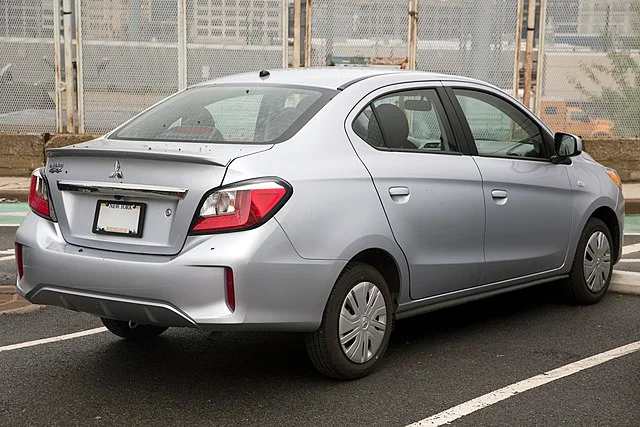
Mitsubishi Mirage Years To Avoid
Not all Mirages are created equal. Some years have higher repair costs, more recalls, and frequent owner complaints. Here are the main Mirage model years you should avoid:
2014 Mitsubishi Mirage
The 2014 Mirage was the first year of the sixth-generation in North America. It attracted buyers with its low price and high MPG, but several issues made this year less reliable.
- Transmission problems: Many owners reported CVT (Continuously Variable Transmission) failures. Repairs can cost $2,000–$4,000.
- Engine issues: Stalling, rough idling, and loss of power were common.
- Interior quality: Cheap plastics, rattling noises, and poor fit-and-finish.
- Safety concerns: The 2014 Mirage received a low score in crash tests from the Insurance Institute for Highway Safety (IIHS).
One non-obvious insight: The 2014 Mirage also had frequent electrical glitches—dashboard lights, radio malfunctions, and power window failures. These are annoying and sometimes expensive to fix.
2015 Mitsubishi Mirage
Many problems from the 2014 model continued in 2015. This year improved slightly, but owners still faced headaches.
- Transmission reliability: CVT issues remained, though fewer than 2014.
- Paint quality: Reports of peeling paint and premature rust, especially in humid climates.
- Suspension troubles: Noisy suspension, poor ride comfort, and quick wear of shocks.
What’s easy to miss: The 2015 Mirage often developed wheel alignment problems, causing uneven tire wear. This can raise costs for new tires and alignment services.
2017 Mitsubishi Mirage
The 2017 Mirage received a facelift, with a new front design and improved interior. But it also brought new problems.
- Infotainment issues: Touchscreen malfunctions, Bluetooth failures, and slow software updates.
- Brake system: Reports of premature brake wear, squeaking, and reduced stopping power.
- Fuel system faults: Some owners experienced fuel leaks or problems with the gas cap.
A practical tip: Check for recall repairs on the 2017 Mirage, especially for the fuel system. Unrepaired recalls can affect safety and resale value.
2018 Mitsubishi Mirage
The 2018 Mirage looked promising, but several issues affected owners.
- Transmission stutter: CVT problems continued, especially at low speeds.
- AC failures: Air conditioning stopped working, often due to compressor failure.
- Interior durability: Seat fabrics wore out quickly, especially for drivers who use the car daily.
Beginners often miss: The 2018 model had more complaints about battery drain and sudden electrical loss. If you buy used, ask for battery history and check alternator health.
Mirage Years Worth Considering
While some years are best avoided, others have fewer complaints and stronger reliability. If you want a used Mirage, consider these model years:
2016 Mitsubishi Mirage
The 2016 Mirage fixed many early issues, especially with the CVT. Owners report better reliability and fewer repairs.
- Improved transmission durability
- Better paint quality and rust protection
- Higher owner satisfaction
2019–2022 Mitsubishi Mirage
The later model years—especially 2019, 2020, 2021, and 2022—showed Mitsubishi’s improvements.
- Fewer major recalls
- Better safety ratings
- Improved interior materials
These newer Mirages still have basic designs and features, but they are more reliable and less likely to suffer expensive breakdowns.
Common Problems In Bad Mirage Years
If you end up with a risky Mirage year, you might face several types of trouble. Here are the most frequent problems and what they mean:
Transmission Failures
CVT transmissions in early sixth-generation Mirages (2014–2015, 2017–2018) are prone to failure. Symptoms include:
- Shuddering at low speeds
- Delayed gear shifts
- Complete loss of drive
Repairs are expensive, and replacing the CVT can cost thousands.
Engine And Electrical Issues
Some Mirages develop engine trouble—stalling, rough idling, and power loss. Electrical glitches are common in 2014, 2015, and 2018 models.
- Dashboard warning lights
- Radio or power window failure
- Battery drain
These issues are often tricky to diagnose and fix.
Interior And Paint Quality
Lower quality materials in some years lead to:
- Peeling paint
- Rust spots
- Rattling noises
Interior parts like door handles, seat covers, and dashboard panels may break or wear out faster.
Real World Examples: Owner Complaints And Repair Costs
To understand why certain Mirage years are risky, let’s look at real-world owner experiences. Data from CarComplaints.com and NHTSA reports show:
- The 2014 Mirage has over 200 owner complaints about transmission failure, engine stalling, and poor interior quality.
- 2015 owners report frequent paint peeling and AC failures, with repair costs often above $1,000.
- 2017–2018 Mirages have more than 100 complaints each about infotainment glitches and brake issues.
Here’s a quick comparison of average repair costs by model year:
| Model Year | Common Repair | Average Cost |
|---|---|---|
| 2014 | Transmission replacement | $3,600 |
| 2015 | Paint/rust repair | $1,200 |
| 2017 | Brake system fix | $800 |
| 2018 | AC compressor replacement | $950 |
| 2016 | Minor repairs | $350 |
This data makes clear that early sixth-generation Mirages can cost more to fix than their low price suggests.
Safety Ratings And Crash Test Results
Safety is important, especially for small cars like the Mirage. Some years have weaker safety scores.
- The 2014 Mirage scored “Marginal” in IIHS side-impact tests. It also got low marks for passenger protection.
- Later years (2019–2022) improved, with “Acceptable” or “Good” scores for most crash tests.
- Some Mirages lack advanced safety features like lane departure warning or automatic emergency braking, which are now common in other cars.
Here’s a side-by-side comparison of safety ratings by year:
| Model Year | IIHS Overall Rating | Airbags | Advanced Safety Features |
|---|---|---|---|
| 2014 | Marginal | Front, side | None |
| 2016 | Acceptable | Front, side, curtain | Optional (limited) |
| 2020 | Good | Front, side, curtain | Available (some trims) |
If safety is a top priority, newer Mirages are much better.
Tips For Buying A Used Mitsubishi Mirage
If you decide to buy a Mirage, follow these tips to avoid the worst years and save money:
- Check the VIN for recalls: Use the vehicle’s identification number (VIN) to see if it had recalls or major repairs. The NHTSA and Mitsubishi websites offer free lookup tools.
- Inspect for transmission issues: Test drive at low speeds and listen for shuddering or hesitation. Ask for service records on transmission repairs.
- Look for paint and rust problems: Examine the car’s body, especially wheel wells and door sills, for signs of peeling paint or rust.
- Test electrical systems: Try the radio, windows, and dashboard lights. Faulty electronics can signal bigger problems.
- Ask about battery history: Mirages in bad years often suffer battery drain. A new battery is a good sign, but check alternator health as well.
- Review service records: Cars with regular maintenance and documented repairs are safer bets.
Many buyers miss that regular oil changes and transmission fluid swaps can make a big difference in Mirage reliability. Insist on seeing proof of these services.
The Mirage Compared To Other Subcompacts
The Mirage competes with other small cars like the Toyota Yaris, Honda Fit, and Nissan Versa. How does it stack up?
- Fuel economy: The Mirage leads with up to 36 mpg city and 43 mpg highway.
- Reliability: Toyota and Honda models usually have fewer major complaints.
- Resale value: Mirages from bad years lose value faster. Good years hold value better, but still trail Toyota and Honda.
If you want more features, comfort, or resale value, consider alternatives. If you need the lowest cost and great MPG, newer Mirages can still be a smart buy.
Mitsubishi Mirage Recalls And Manufacturer Actions
Mitsubishi has issued several recalls for the Mirage, especially in the years to avoid:
- 2014–2015: CVT transmission recall for sudden loss of power
- 2017: Fuel system recall for possible leaks
- 2018: Brake system recall for reduced stopping power
Always check recall status before buying. Mitsubishi dealers will fix recalls for free, but some older cars never get the repairs. Ignoring recalls can mean safety risks and lower resale value.
For a full recall list, see the official NHTSA website.
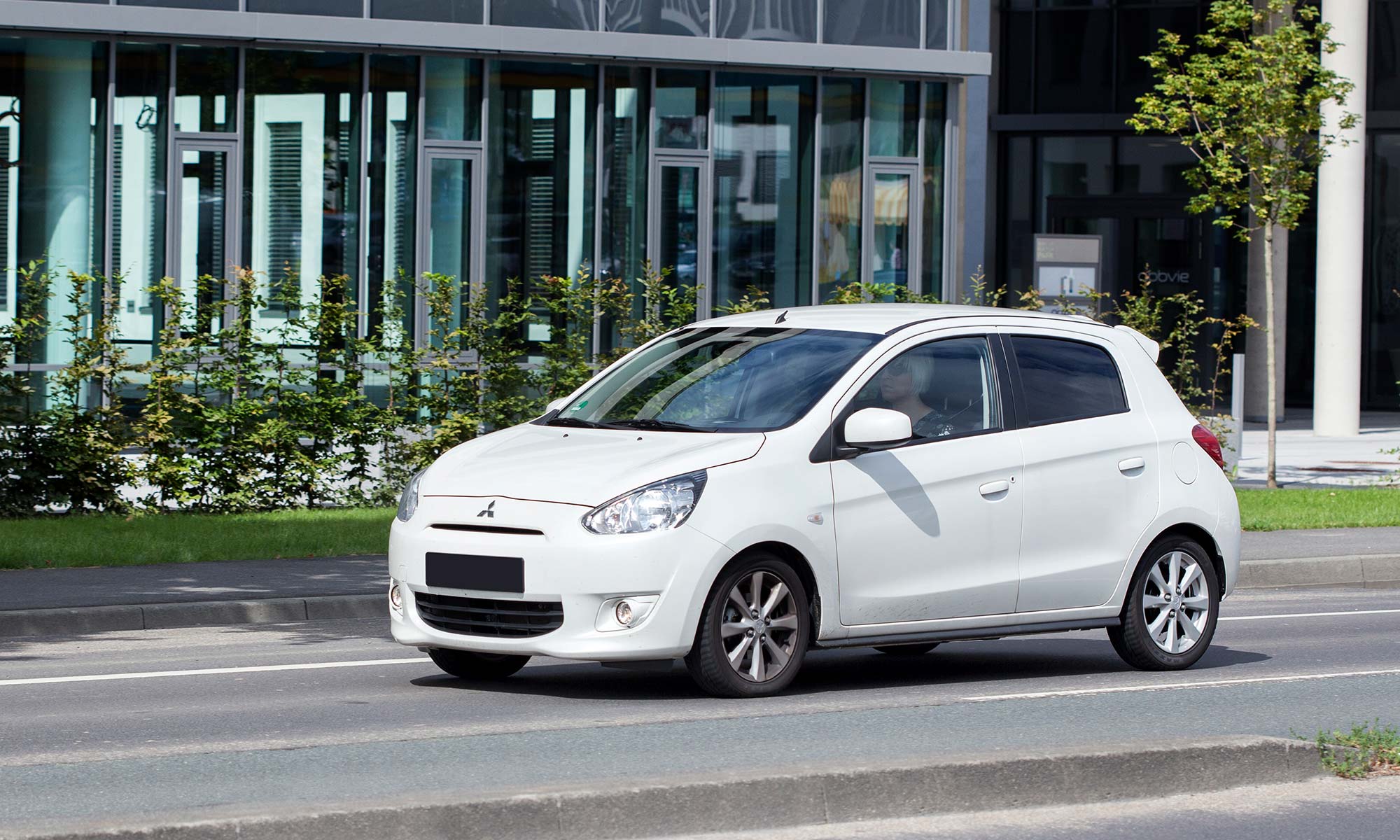
Non-obvious Insights For Used Mirage Buyers
Many guides miss these points:
- Early Mirages (2014–2015) are often used as rental cars or fleet vehicles. These cars get more wear and tear, so check for extra mileage and hard use.
- Mirages are sometimes imported from Canada or Mexico, where standards may differ. Always check the origin and make sure it matches US specs.
- The Mirage’s simple engine means repairs are cheap—except for the CVT transmission. If you buy an older model, consider a manual transmission for lower risk.
Frequently Asked Questions
Is The Mitsubishi Mirage A Good Car For City Driving?
Yes, the Mirage is ideal for city driving because of its small size, easy parking, and high fuel efficiency. Models from 2016 and later are best for reliability and comfort. Avoid early sixth-generation Mirages (2014–2015) for fewer problems.
How Long Does A Mitsubishi Mirage Usually Last?
With proper maintenance, a Mirage can last 150,000–200,000 miles. Regular oil changes, transmission fluid swaps, and avoiding bad model years help extend its life.
Are Repairs Expensive For The Mitsubishi Mirage?
Most repairs are affordable, especially for the engine and brakes. However, CVT transmission repairs in bad years (2014–2015, 2017–2018) are expensive, often $2,000–$4,000.
Which Mirage Years Have The Best Safety Ratings?
The best safety ratings are found in 2019–2022 Mirage models. They offer improved crash protection and more airbags. Earlier models, especially 2014, scored lower in safety tests.
Should I Buy A Mirage With A Manual Transmission?
Yes, a manual transmission Mirage is more reliable than the CVT models. Manual Mirages have fewer complaints and cost less to repair. If you want long-term dependability, look for manual versions.
Making the right choice for a used Mitsubishi Mirage means knowing which years to avoid and why. With careful research and a close inspection, you can get a dependable, fuel-efficient car that lasts for years. Remember, newer Mirages are more reliable, but even older ones can be good if they are well-maintained and have a manual transmission.
Always check for recalls, service history, and signs of wear. With these tips, you’ll drive away confident and ready for the road ahead.